
When James Wright became HIV-positive, he withdrew from the life he loved, went into hiding, and slowly and painfully broke down. In this story, he courageously documents his dark descent, and the moment that pride and acceptance put his life back on track.
I was winning at life at the time of my HIV infection.
It was 2014 and winter. I’d just bought an apartment with views of Sydney Harbour. I already had a beach house, a BMW, three investment properties, two foreign holidays a year, and a well-paid job I adored.
More importantly, I had many friends with whom I was deeply connected and felt at home. I’m not sharing this information to brag, but to show how catastrophic my life became in a short time.
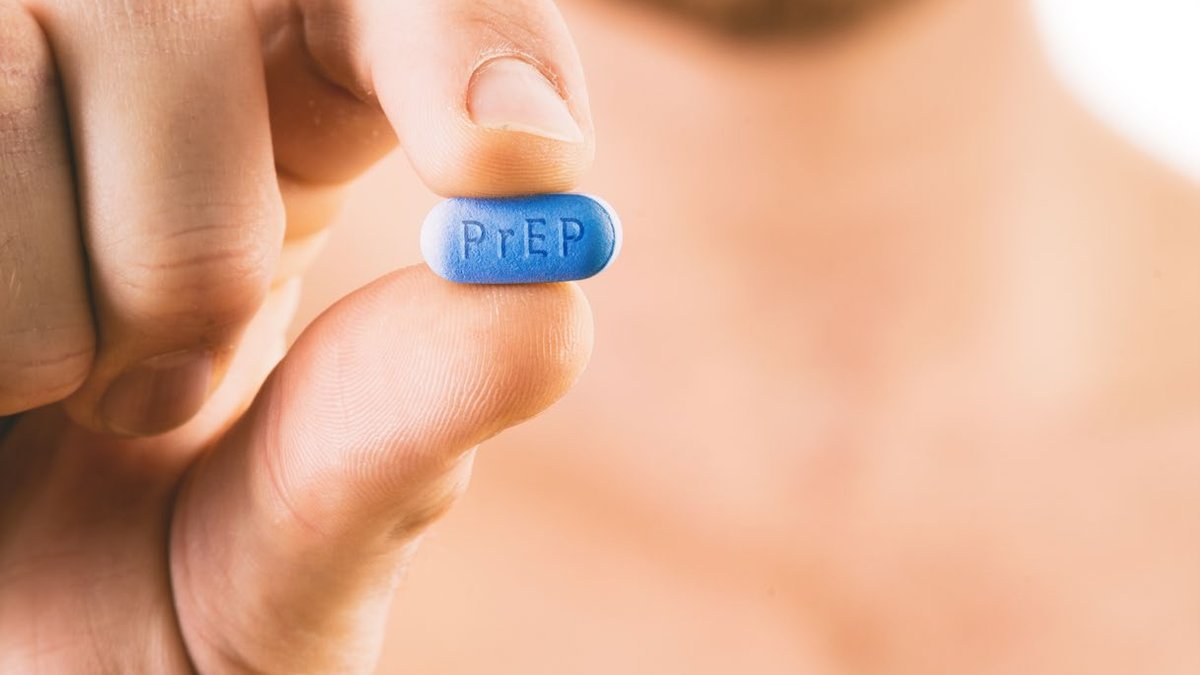
When I became HIV-positive, PrEP (the daily tablet that prevents people from catching HIV if they are exposed), as we have it now, did not exist. You got regularly tested, and if you wanted to play raw or bareback, you took the risk.
Up to six weeks after contracting HIV, most people experience a short one- or two-week illness called seroconversion. Seroconversion is a sign that the immune system is reacting to the presence of the virus in the body. It’s also the point at which the body produces antibodies to HIV. Once seroconversion has happened, an HIV test will detect antibodies and give a positive result. Everyone’s seroconversion is different, and it’s not something that gets talked about as part of HIV education, even within the gay community.
My seroconversion was chaotic. It was like the worst flu and fever known to a man and took over my whole body. I was in bed for days, taking every over-the-counter drug I could. I was hot, then cold, and then hot again. The sheets on the bed needed changing twice a day, and the mattress was drenched with sweat. It got so bad one night that we called an emergency doctor to the apartment. At this point, no one suspected anything other than a terrible but short-term flu-like virus.
I spent seven years living with darkness and unnecessary shame… a shell of the person I am capable of being.
On the fourth day, I could walk the 15 minutes to my GP’s surgery. I was primarily there to get a sick note to explain my absence from work. My GP suggested we take some blood and test for everything to be safe. The possibility of an HIV infection had still not occurred to me and had not been raised by any doctor at this point. My memory of my life over the next month is a blur.
I returned to work seriously weak. My usual work self bounded into the office, full of life, and thought nothing of a 10 to 12-hour day most days of the week. But now I was shuffling to meetings around the city and feeling exhausted.
My GP called and asked me to come in. Taking a seat in his windowless office he said, “I think it’s best that you see my colleague; she’s the best person to help you.”
In another consulting room: “The bad news is that you’ve got HIV. The good news is that we can get you started on the medication tonight if we are quick and you get to the hospital pharmacy before it closes. Then make an appointment to come back and see me and we can discuss what it means.”
There was more good news: in New South Wales, the anti-viral medication required to stop HIV in its tracks is free and highly effective if the infection is caught early enough. Within six weeks of starting the medication, I was positive-undetectable.
The treatment for HIV is called antiretroviral therapy (ART). ART involves taking a combination of HIV medicines (called an HIV treatment regimen) every day. I have only ever had to take one combination drug daily, much like a multivitamin. HIV medicines prevent HIV from multiplying (making copies of itself), which reduces the amount of HIV in the body (called the viral load).
By decreasing the amount of HIV in the body, HIV medicines also reduce the risk of HIV transmission. The main goal of HIV treatment is to reduce a person’s viral load to an undetectable level. An undetectable viral load means that the level of HIV in the blood is too low to be detected by a viral load test.
Last year, the World Health Organisation declared that people with HIV who maintain an undetectable viral load have zero risk of transmitting HIV to HIV-negative partners through sex. We can live perfectly healthy lives from an HIV perspective.
Everything that could go wrong did; soon, I was almost $300k in debt.
Conversations and careful timelining with my new GP determined that there was only one person I could have contracted the virus from: my new boyfriend.
It was painful having to share that information with him in so many ways. He didn’t even suspect. His seroconversion was mild. When pushed by the GP after the fact, he vaguely recalled having had a day or two off work feeling fluey. Looking back, I remembered that he cancelled our first date a couple of times as he’d been “full of cold and feeling tired”, but it hadn’t sounded the alarm for either of us.
I felt deeply ashamed of the situation that bad luck and miscalculated risks had put me in. I couldn’t tell my friends, family or work colleagues. I became reckless with money and my health. Splurging money I didn’t have on expensive weekends and holidays. I stopped all forms of exercise and was drinking too much.
Within the year, I had quit my job and left Sydney to open a restaurant a few hours north in the country. I found a remote, fabulous farmhouse to rent that was at least a 20-minute drive to the nearest anything that couldn’t be seen from the road. I was hiding.
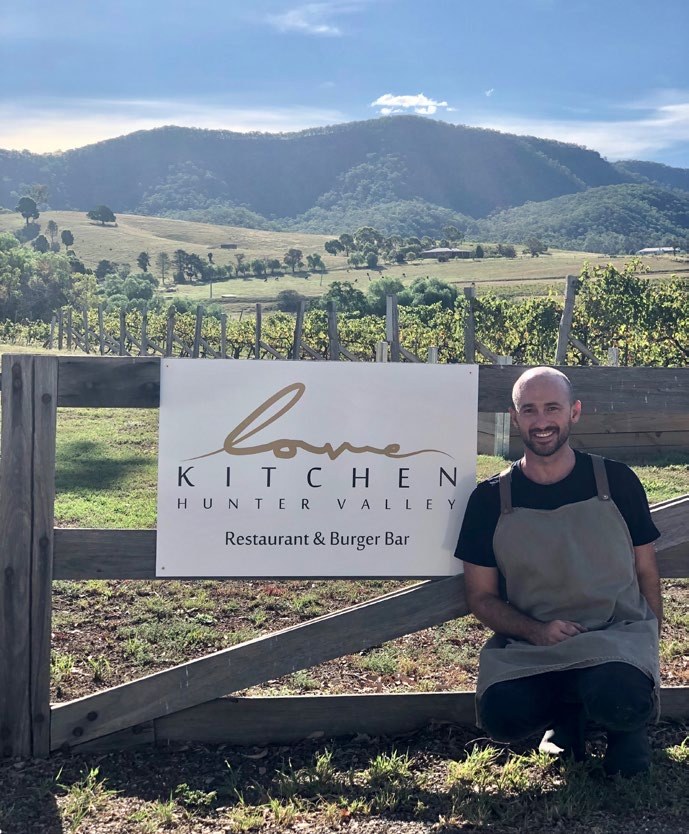
The locals knew nothing. For a while, I was the gay in the village who had ditched his Sydney corporate life and run away to the countryside to live the dream with his dogs.
I’d worked in hospitality before and enjoyed it. Running a restaurant couldn’t be that difficult, and a failing one was available for sale for $9,000. I think I paid $7,000 in the end — a lot less than a month’s salary in my corporate job. What could go wrong?
I was disconnected from my friends and established life and didn’t need to explain anything to anyone. The countryside felt like a safe place.
From the outside, it looked like a perfect early mid-life crisis; on the inside it was anything but. I needed to keep the charade going or any chance of a normal life would be over. No one would want to be with me; I was “dirty”. I’d called time on my career because it all seemed pointless, and I was unworthy of success.
Running a restaurant, however, was a lot harder, and a lot more expensive than I expected. Over the next three years, I sold everything to maintain this charade. The capital gains went straight into a growing business, bringing in just enough cash to avoid returning to real life and facing my choices.
I could probably write a book or give a hilarious TED talk about how not to run a restaurant, but I will leave those stories for another time.
Money started becoming a real issue in 2017. The farm life and restaurant project was burning about $3,000 a week. However, it still felt better than facing up to the fact that I had got myself into a real-life mess after contracting HIV — something which, by this time, only four of my closest friends knew about.
Everything that could go wrong did; soon, I was almost $300k in debt. I struggled with staff, drought, creative differences, and other operational issues.
I was working more than 80 hours a week, drawing no salary, drinking to numb the pain, and deeply depressed.
In November 2017, I packed a bag and booked a few nights in the local hotel to escape my escape. I’d intended to head to the hotel after work, call my dad, tell him everything, leave Australia behind, and go home to London. It never happened, and the bag of clothes and my passport remained in the back of the car for many months.
I could think it through, but every time I reached “it’s time to do it” I couldn’t. Leaving meant everyone had to know everything, which I wasn’t ready for.
I cannot imagine what it feels like to know that you have inadvertently infected someone with a disease. Even if science says everything will be okay, the responsibility and guilt one must feel would be debilitating.
The emotional toll, mainly when not talked about, of living with HIV is relentless. Every day brought a new wave of anguish, grappling with betrayal, anger, and profound sadness.
Beyond my internal struggles, there’s the added burden of actual and perceived social stigma and misconceptions surrounding HIV/AIDS.
Despite the progress we’ve made in understanding and treating the virus, the stigma remained a formidable obstacle in my quest to reclaim my sense of self-worth and dignity. Would anyone want me ever again? I was alone for a long time.
The restaurant was a disaster and I was not thinking straight. The corporate, commercially astute me had died or was at least dormant.
I took a trip to Thailand, leaving the restaurant in the capable hands of the manager for everyday operations. I spent time doing yoga, completed a chef qualification for Royal Thai Cuisine, and went to a detox retreat for ten days to deal with my alcohol abuse.
I found some energy reserves and ploughed on with the restaurant. In late 2018, I met a beautiful man who wanted me, HIV and all. With my dad’s cash support, I thought I could make a go of the restaurant, rebranded and re-energised with the emotional support that had been missing in my life for so long. But I was broken, and working seven days a week, 12 hours a day was not sustainable. While it did make a small profit each week, there would never be enough cash to service the debt and pay me an income. Devastated and exhausted, I sold up for a fraction of my investment.
For a year after exiting the business, I tried to service the debt and started working again to pay it down. It was too much emotionally and physically, and in April 2020, with some good legal advice behind the decision, I declared bankruptcy.
By this time, I had returned to Sydney and returned to the corporate world in a sales leadership role. I was renting a house and living with my boyfriend, who had accepted my HIV status and, as far as I know, was never scared or turned off by it.
Practically, bankruptcy wasn’t as bad as I thought. One can earn a basic living, and if you earn more than that, the trustee can claim a portion of your income to pay back the debts or as much of them as is deemed reasonable. You are in bankruptcy for three years, which may be extended if you misbehave. My three-year weekly payments to the trustee were just under $400. I coped on a practical level and acknowledged this was a life lesson.
When the business started to fail and my assets disappeared, I did not listen to logic… I listened to my fear.
The only restrictions are on the assets you can own or accumulate during bankruptcy, so no nice cars! You also must ask the trustee for permission to travel overseas, and I was able to do this multiple times.
The nasty part of bankruptcy is the psychological impact, particularly as I didn’t do anything fraudulent or unethical.
With the benefit of hindsight, I made some poor business decisions that came from a place of fear and trauma, but I didn’t want to give up. At the time, giving up meant being exposed and owning my truth, and I wasn’t ready. Taking on more debt, however stupid it was, was less scary than leaving the restaurant and my isolated life behind.
I was ashamed I’d gone bankrupt. I had never really failed at anything before.
Now, I was living with a trifecta of failure: failing to act responsible for my health and contracting HIV, a failed marriage, and now an economic failure.
I lost myself. I was not operating at full throttle.
When I contracted HIV, I did not seek the support of friends or family. I did not seek and, to be fair, was not offered, professional psychological or counsellor support. I put myself in a bubble where I felt trapped; a bubble that had to burst.
When the business started to fail and my assets disappeared, I did not listen to logic, my dad, my financial adviser, my accountant or my lawyer. I listened to my fear. I went deeper and deeper into debt and became more resistant to advice as I did. Eventually, everything collapsed. I tried to rebuild my life too quickly. I did not allow any space for healing.
I jumped into a relationship but could not give it the energy it deserved. Thankfully, that beautiful man remains in my life as a friend.
I jumped into a new, big corporate job but I was not healed and within nine months, I resigned. Running again, I rented a cottage in the seaside town of Yamba in northern New South Wales, just me and my Labrador. I needed alone time.
I needed time to heal, and the universe had a way of providing that. Alone in Yamba, watching the 2021 Sydney Mardi Gras coverage on TV, there was a float in the parade of a community group called TIM (The Institute Of Many), a group for those living with HIV. I jumped onto their Facebook page and found a tribe that resonated with me. People living with HIV were thriving, and public about their status. TIM was my first step away from shame and isolation.
By the end of the year, I was back renting an apartment in Sydney as a proud gay man living with HIV. I’d started talking to my friends, old and new, honestly about HIV and my story. Some empathised, some were curious, and some weren’t bothered — which was a great reaction. Starting to rebuild myself was crucial.
AIDS/LifeCycle is not just a physical challenge, it’s a symbolic journey of solidarity and empowerment.
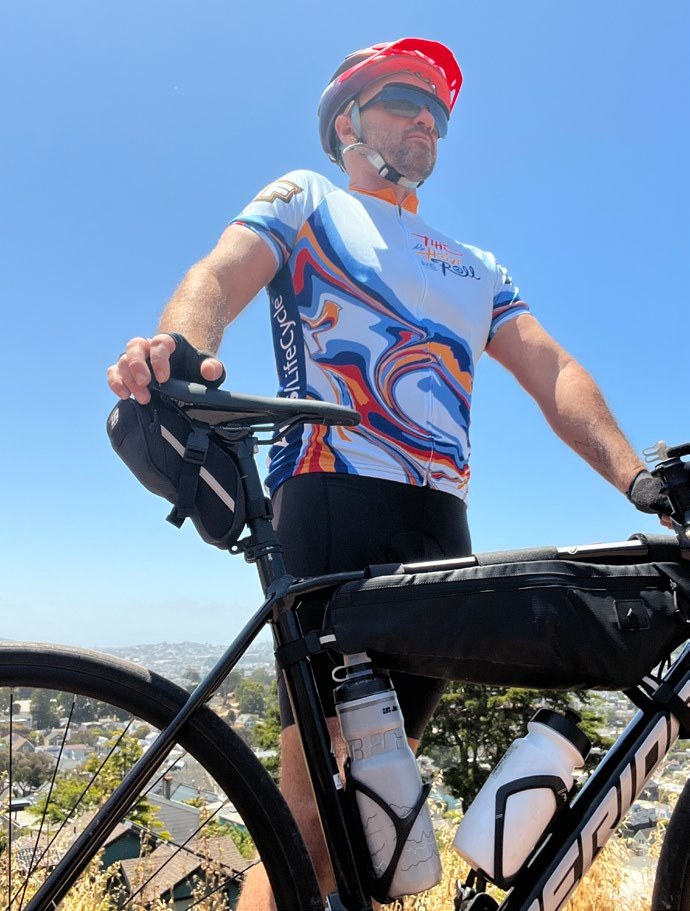
Things began to turn around. An early love from my twenties, who contracted HIV in the early 2000s, now resides in San Francisco and actively participates in the AIDS/LifeCycle in California. When I finally disclosed my HIV status to him, he extended an invitation to join the ride in 2022. AIDS/LifeCycle is not just a physical challenge — 877 kilometres (545 miles) across California — but a symbolic journey of solidarity and empowerment. It was the fabulous icing on my healing cake, both mentally and physically. On the final day of the ride, I made a video for Instagram sharing my HIV status with the world. It didn’t matter anymore. There were more important things to do than engage in self-pity and shame.
Later, in 2022, I was with TIM at the Broken Heel Festival in the middle of the Australian outback, marching in the parade down the street holding the sign U=U. Undetectable Equals Untransmissable; the message is designed to educate, stop the stigma, and deliver the most up-to-date understanding of HIV and how it is treated and prevented to the community.
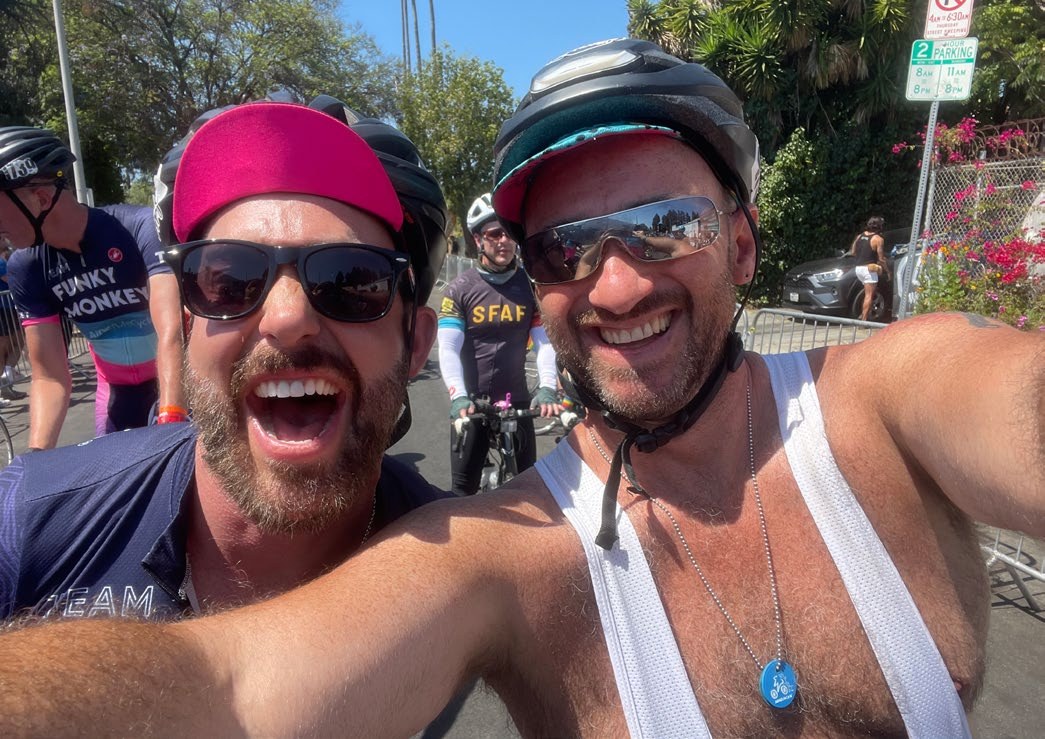
I spent seven years living with darkness and unnecessary shame. I shut myself off, disconnected from my career, my friends, and my family, screwed up my finances and was a shell of the person I am capable of being.
With the encouragement of my inner circle, who were always there even when they did not know the whole story, and the universe shining a light on where I needed to be, moments of resilience and hope became more frequent and powerful. I never expected to end up working as a coach, but it works; it allows me to own my mistakes and experience in a way I had never imagined possible. Leveraging the strength I eventually found in myself for others.
2024 is ten years of living with HIV and, since 2021, proudly living with HIV, wearing the scars of that journey with pride.
MORE: Find TIM (The Institute Of Many) and AIDS/LifeCycle on Facebook.