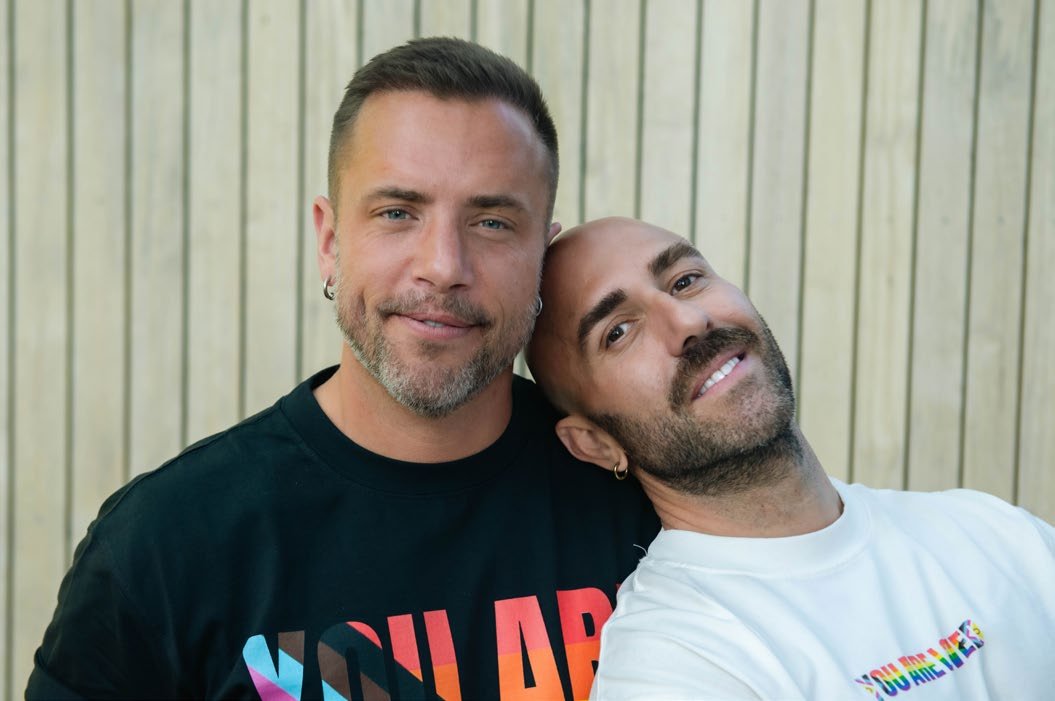

PrEP has been instrumental in lowering HIV rates around the world. But a decade on, tariffs, trade wars and sweeping US funding cuts are putting its future in doubt. Brandon Bentley reports.
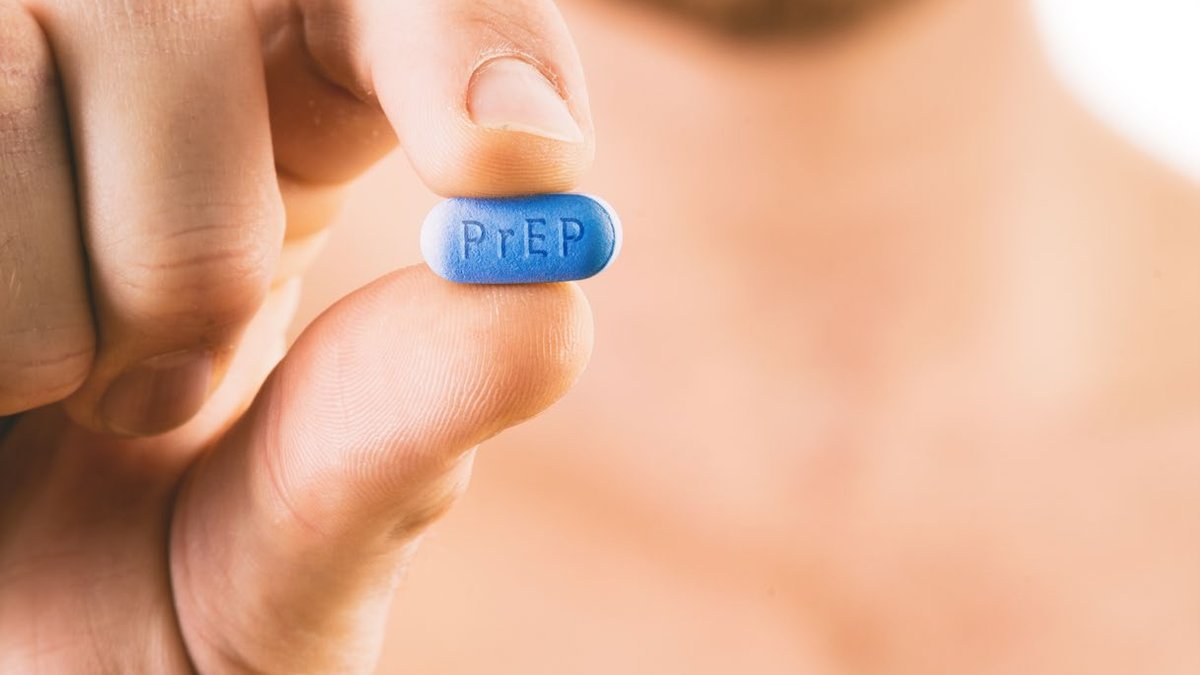
Most sexually active men who have sex with men know Pre-Exposure Prophylaxis — PrEP — as the drug that keeps them safe from HIV. Used as directed, either regularly (for the very sexually active) or intermittently (for those who have less sex), PrEP prevents the transmission of HIV. Antiretrovirals and PrEP have seen the number of new cases of HIV in the developed world plummet. PrEP is the reason most men who have sex with men no longer use condoms. PrEP is responsible for a gay sexual revolution that only a generation ago was unthinkable.
Today’s young gay, bi and curious men can enjoy a sexual freedom that those who came of age during the 1980s and ’90s couldn’t. For the previous generation, sex was something that could be risky, even life-threatening, and with that came shame, stigma and denial.
PrEP has been popular and successful, with very few, often unnoticeable side effects and, among Western gay communities, been life-saving. In developing countries, PrEP has also made its mark, helping to reduce HIV transmission among broader communities, too.
But what of its future? There are threats to the availability and affordability of PrEP on the horizon.
The Australian Story
In the US, after receiving FDA approval in 2012, the first PrEP medication, Truvada, was made available to the American public. By 2014, PrEP had arrived in Australia, but it wasn’t all smooth sailing.
By the end of 2016, over 26,000 people were living with HIV. Why wasn’t PrEP a part of every queer person’s toolkit? It’s simple. The drug wasn’t easy to get your hands on. Many people imported it from overseas, took part in drug trials, or banked on community organisations like PrEP Access Now to obtain it.
It became clear that getting PrEP covered by the Pharmaceutical Benefits Scheme (PBS) was the utmost priority. Thankfully, by 2018, this was finally achieved. According to the Kirby Institute, PrEP has been dispensed at least once to over 85,000 Aussies since its addition to the PBS.
For Aboriginal and Torres Strait Islander communities, HIV rates have declined by over 45% during PrEP’s first ten years on the scene. Dropping from 5.3 to 2.9 per 100,000 people, informational campaigns from local organisations with a focus on testing, treatment and PrEP, have been instrumental for the community.
Though Australia is now a world leader in PrEP usage, it hasn’t come without roadblocks. Since its introduction, queer people have had to deal with stigmas associated with using the drug. Popping a PrEP pill could get you branded a “PrEP slut” or the US version, a “Truvada whore”.
It’s taken years to change public perception of the drug. Thankfully, initiatives implemented by EndingHIV and PrEP Access Now made it easier for PrEP and HIV-prevention information to be publicly available, and the numbers speak for themselves.
PrEP In The US
There’s a stark difference between how Australians view or access PrEP compared to the rest of the world. According to the Centres for Disease Control and Prevention (CDC) in the United States, PrEP’s inclusion has only had a significant impact on HIV transmission among white gay men. For POC groups, such as Black men and Latino men, PrEP has taken longer to make any sort of dent in HIV exposure.
The use of PrEP within communities across the US has been inconsistent since its inception. Within the first ten years, white people represented 65% of PrEP users and only 26% of new HIV diagnoses. African Americans represented only 14% of PrEP users but 42% of new HIV diagnoses. Hispanic/Latinx people represented 17% of PrEP users and 27% of new HIV diagnoses.
PrEP is responsible for a gay sexual revolution that only a generation ago was unthinkable.
So, what has been the difficulty for POC men to get access to PrEP? HIV transmission and detection programs aren’t as readily available to the public as they are Down Under. Medication costs are also significantly higher, which makes it much more costly to access. Not to mention, everyday healthcare and sexual education aren’t made as available to Black and Hispanic communities as they are for white people.
It’s not for lack of trying. Over the past few years, states such as California, Illinois, New York, and Washington have initiated state-wide PrEP and PEP assistance programs. Community organisations such as PrEP2Me allow the public access to information guides, HIV resources, and consultations. Local medical facilities such as Northwell Health are taking HIV treatment and prevention programs directly to schools and college campuses.
Yet the barriers remain. Without the right information making it into the hands of those who need it, stigma continues. For example, claims still circulate that PrEP can cause side effects such as depression, anxiety, suicidality and weight gain. These are unproven and not credible. Documented side effects can include nausea, diarrhoea, headache and fatigue, but these are generally mild and temporary. The other PrEP myth is that it causes “disinhibition”, but that has probably arisen from slut shaming. The positives of the drug far outweigh the almost insignificant negatives.
The Impact Of The Trump Presidency
Unfortunately, progress made so far is now stumbling backwards. Since taking office in January 2025, Donald Trump’s cabinet has announced measures to reduce funding and access to PrEP for queer and gender-diverse individuals. The CDC has been stripped of funding for its HIV programs. This means that programs that connect communities with HIV treatment or healthcare will be forced to shut down. It will set back important research on disease surveillance and epidemiology studies for years to come.
Could this mean the shuttering of HIV organisations across the country? A cut to free access to PrEP? The loss of HIV treatment and precaution programs?
Elsewhere, more than 200 federal grants for research related to HIV and AIDS have been terminated.
“The administration of US President Donald Trump has hollowed out one of the federal offices aimed at ending the nation’s HIV epidemic,” reported nature.com in March. “The changes leave researchers bewildered: during Trump’s first presidency, his administration launched a plan to eradicate HIV in the United States by 2030.”
Keeping PrEP in the hands of queer and gender-diverse people is not just a battle being fought on the political front. Taking their lead from Trump, businesses are also attempting to remove access. A group of conservative Texas employers filed a lawsuit against the US Preventive Services Task Force (USPSTF), claiming that the coverage of the drug violates their religious freedoms. While the USPSTF remains firm that the treatment should be covered at no cost to patients, courts such as the 5th US Circuit Court of Appeals have ruled against them.
If the Supreme Court sides with the plaintiffs, we might soon see insurers no longer covering PrEP, PEP, STI medications, contraceptives or transgender healthcare. With medical bills in the US already at their zenith, this will be damaging for the care of LGBTQIA+ individuals who are barely scraping by.
How Does This Affect The World?
The Trump cabinet has taken the action a step further by cutting funding to USAID, which has granted foreign assistance to HIV testing, treatment, and prevention across the globe.
In reports collected by UNAIDS (the joint United Nations program to coordinate global action on HIV/AIDS), over 67 countries are feeling the strain from the loss of funding. Without proper funds, countries around the world have lost programs and procurement procedures that distribute PrEP and other HIV medications as well as condoms and sexual protection products.
Researchers found that high-risk countries across Africa have completely lost access to PrEP and HIV treatment or have only received small amounts of medication. It doesn’t stop there. Viral load testing, condom distribution, and TB diagnostic efforts have since declined. South Africa has seen its research into an HIV vaccine and the possibility of long-acting PrEP completely halted by the cuts. With funding from the US government gone, programs and resources have lost over 8,000 HIV response staff, as well as 500 education sector workers.
In Ecuador, US funding was terminated for Equidad, a community-based organisation, whose services helped provide over 2,000 people living with HIV life-saving services. Uganda has seen closures in prominent community-led services, pausing peer outreach workers such as HIV treatment counsellors from helping clients.
Latin America and the Caribbean heavily rely on US-based funding to keep their HIV prevention programs. Now programs aimed at migrant populations have been suspended. Meanwhile, the impact of the cuts has forced a reduction in PEPFAR and USAID staff. Without access to these services, rates of depression and anxiety are alarmingly increasing as people worry that their access to PrEP will be completely cut off.
For regions such as El Salvador, Vietnam and Haiti, the possibility of these medications becoming out of stock is nearing. Without the proper channels restored, a principal warehouse closure is impending, impacting the storage of much-needed medical care. El Salvador, for instance, could see a stockout of viral load tests and PrEP and other HIV treatment within the next six months.
UNAIDS warns: without US assistance, the world could face an additional 6.3 million AIDS-related deaths within the next four years.
Trump’s USAID Cuts Will Cost Millions Of Lives To HIV
While countries around the world scramble to compensate for the significant reduction of USAID, the grim reality is that millions are going to die. UNAIDS warns that without the restoration or replacement of US assistance, the world could face an additional 6.3 million AIDS-related deaths within the next four years.
Research published in The Lancet HIV indicates that significant reductions in international funding could result in up to 2.9 million additional AIDS-related deaths and 10.8 million new HIV infections by 2030, particularly affecting sub-Saharan Africa.
Doctors Without Borders (MSF) estimates that these funding cuts could lead to 2.9 million additional AIDS-related deaths and 8.7 million new HIV infections among adults globally by 2029.
However, there’s hope. Since the announcement of the cuts, many regions have banded together with the support of UNAIDS to navigate the impact of the cuts and find alternate solutions. While not a long-term fix, finding alternate routes to keep the lights on could keep programs and treatment running for the next few months.
Both local and federal governments in Kazakhstan and Brazil have assumed financial responsibility for their programs. Brazil’s Ministry Of Health has readjusted its budget to increase funding for its HIV services. Meanwhile, Kazakhstan’s government will keep community outreach and testing services open for the foreseeable future.
Lesotho has been investigating alternate routes to continuing its HIV treatment and prevention programs. This includes developing a “task team” to map out a plan to continue services, which could involve utilising government salaries to cover affected staff while recalling all staff currently on leave.
Botswana and South Africa have been referring clients of HIV treatment and prevention organisations to alternate essential services offered by their respective governments. Though not a perfect solution, this quick fix can help the community continue to get the care it needs in the short term.
What Does This Mean For Australia?
Since Trump’s return to The White House, pharmaceutical companies within the US have lobbied against Australia’s subsidised medicine system. Medicines listed on the PBS have been much more affordable for Australian residents, including PrEP.
Without pricing capped at $30, Australians could see this number skyrocket as pharmaceutical companies raise prices to whatever they desire. As PrEP usage was at its lowest before its inclusion on the PBS, chances are we could see another decline if users can no longer afford it.
Then there’s the damage Trump’s decisions have impacted on Australia’s own HIV funding. Over recent years, Australia has supported HIV programs and centres across the Asia Pacific. Last year, a $12 million dollar investment was signed between the government of Australia and UNAIDS in partnership with Health Equality Matters. This initiative aims to increase HIV prevention and treatment as well as community leadership in Cambodia, the Philippines, Fiji, Papua New Guinea and Indonesia.
With the US backtrack harming this deal, the Australian government has had to spring into action. More than $100 million in funds will be redirected to the Indo-Pacific region to maintain resources affected by Trump’s budget cut. And it comes at a cost. The Australian government has had to reduce its contribution to the Global Partnership For Education and Global Fund To Fight HIV, Malaria And TB to make ends meet.
As travel between Australia and the Indo-Pacific region remains strong, it raises concerns over the impact this could have on HIV rates here at home.
PrEP Won’t Be Going Away That Easily
Amid a tariff war and funding cuts, the future of PrEP’s global accessibility is unclear. However, it’s not a battle that has been lost yet. PrEP has come a long way over the past 10 years. Trials have been completed, stigmas have been fought, and life-saving treatment has been delivered.
One thing is certain: PrEP has been instrumental in lowering HIV rates around the world, even leading agencies to predict “the end of HIV”. Could failing to end HIV become one of Trump’s enduring legacies?
Image: New Africa/Shutterstock; mbruxelle/Adobe Stock