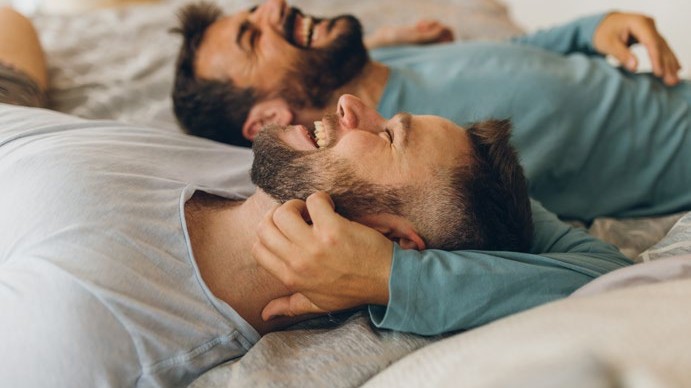

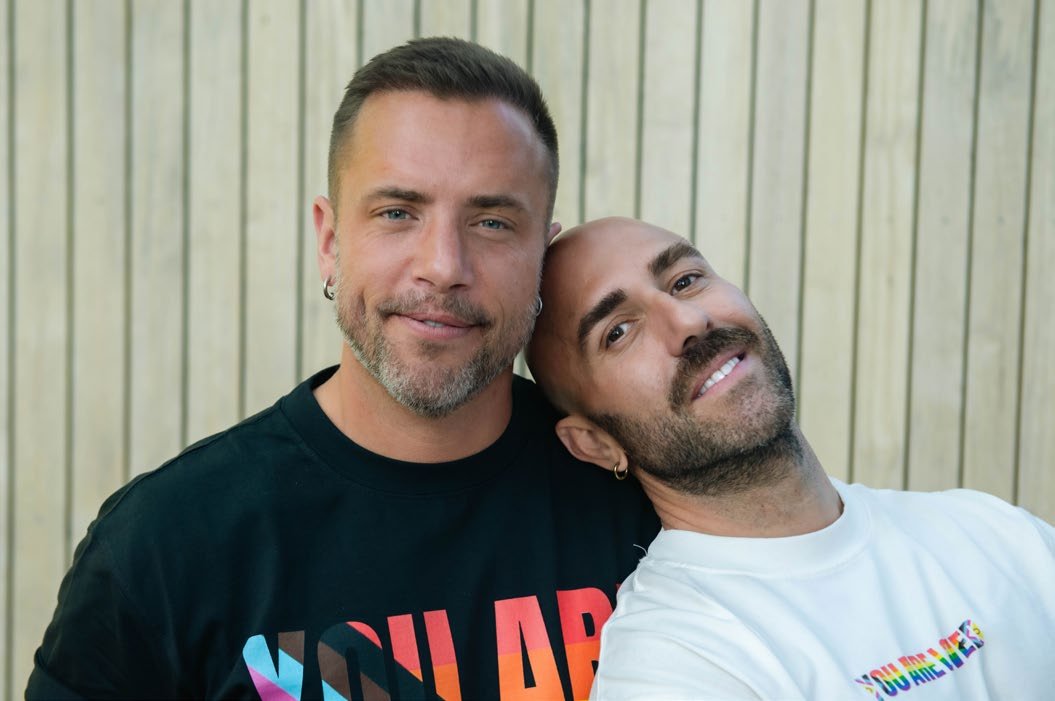
Suicide, addiction, and accidental drug overdoses are claiming the lives of gay, bi, trans and queer men at an alarming rate in LGBTQIA+ communities around the world. Gay men are more likely to die prematurely from suicide and drug-related deaths than straight men. In 2024, a British non-profit organisation, You Are Loved, was launched, hoping to reverse this disturbing trend, and help those going through the grieving process after the death of a loved one. Founder Marc Svensson spoke to DNA about why he felt “an overwhelming need to act”, and three gay men, impacted by the issues, tell their personal stories.
Interview: Marc Svensson, Founder of You Are Loved
DNA: What was the catalyst for founding You Are Loved?
Marc Svensson: After 20 years in London, 12 of those immersed in studying and working as a social psychologist focused on LGBTQ+ mental health, I’ve witnessed far too many instances of poor mental health, addiction and sudden, premature loss within our community. In recent years, things have felt especially dire. In the past two years alone, I know of 22 gay or queer men who have died by suicide or accidental drug overdose.
DNA: What’s going on? What’s contributing to this situation?
Marc Svensson: There are several factors. There are the lingering impacts of the pandemic and lockdowns, and the general turbulence of the world right now. But these tragedies are far more common in the LGBTQ+ community than in the general population. I felt an overwhelming need to act, and that led me to found You Are Loved to try to make a meaningful difference and help prevent more lives from being lost. My own age group, the forties, is where both suicide and drug-related deaths peak.
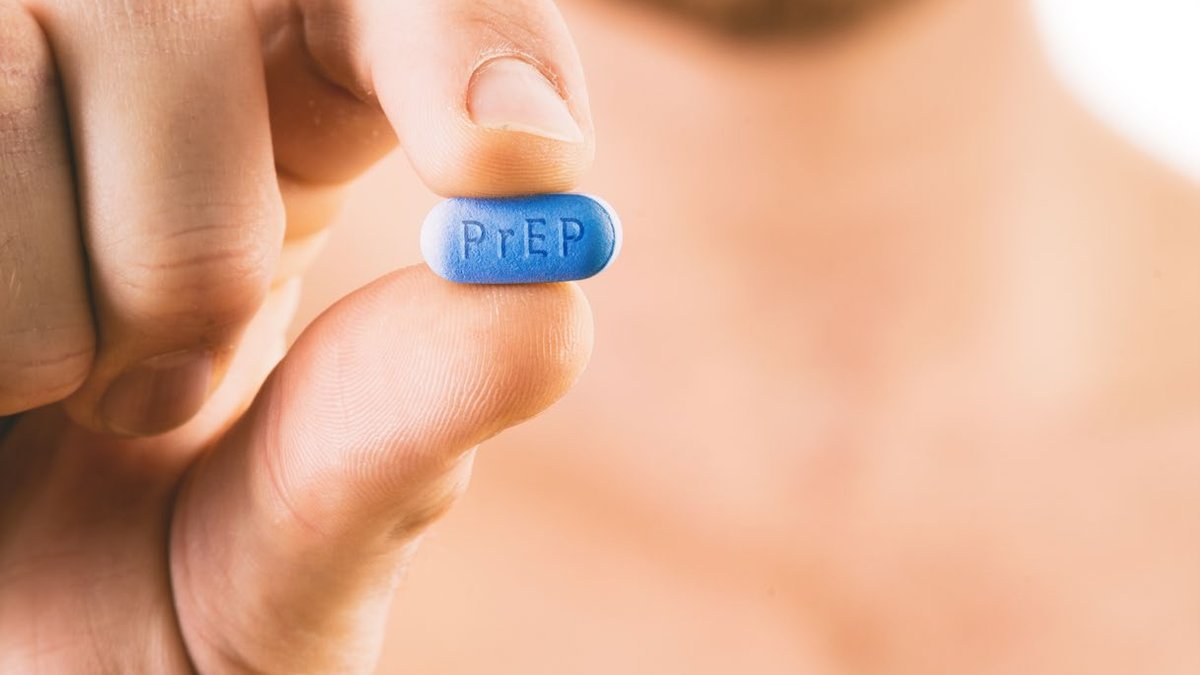
DNA: Since the advent of PrEP, there’s been a shift in gay men’s health care away from HIV/AIDS and STI management to mental health. Is You Are Loved part of that evolution?
Marc Svensson: Absolutely. Since the introduction of PrEP, we’ve seen a noticeable shift among HIV/AIDS charities and organisations. Many are now placing a much greater emphasis on mental health and overall well-being, which is necessary and encouraging. While there’s still work to be done around HIV prevention and eliminating the stigma that persists, the reality is that today, far more gay, bi, and queer men lose their lives to suicide and drug-related causes than to HIV/AIDS. Our mission is to address these urgent mental health challenges head-on, supporting our community in ways that reflect the current realities we face.
DNA: Have you personally been affected?
Marc Svensson: I haven’t lost any close friends but I’ve lost count of the number of acquaintances and people I’ve known from the scene over the years who are no longer with us. It’s heartbreaking. On a more personal level, several good friends of mine have struggled with drug addiction and mental health challenges, so I’ve witnessed firsthand just how tough and dangerous that road can be. These experiences have given me a deep understanding of the pain and complexity behind these issues.
DNA: Do you think that suicide and drug-related deaths are somewhat hidden in our community, like a shameful secret?
Marc Svensson: Absolutely. These deaths are highly stigmatised, both within our community and the wider world. Part of that comes from the perception that suicide and drug-related deaths are somehow “self-inflicted”, which only deepens the shame and silence around them. This urgently needs to change, and that’s exactly what drives the work we do at You Are Loved.
These tragedies are happening at alarming rates, especially in big cities like London or Sydney. Yet there’s a tendency to normalise them or treat them as an unfortunate but inevitable part of our world. We are determined to challenge that narrative. We’re shining a light on these issues, raising awareness, creating safe spaces and providing tools so we can talk openly, support each other and heal together. A core part of our mission is to break down the sense of “othering” – to stop seeing these deaths as something that happens to “other people” or “other parts” of the community. The reality is that so many of us will struggle with mental health or substance misuse at some point in our lives. It’s time we acknowledge that, support one another and work together to end the stigma.
Today, far more gay men lose their lives to suicide and drug-related causes than to HIV/AIDS.
DNA: You’re also working with police and government agencies to improve how they report deaths, correct?
Marc Svensson: Yes. When we launched You Are Loved, one of our priorities was to gather evidence on the high rates of suicide and drug-related deaths in our community. That step was crucial. Without solid data to show the scale of this epidemic, it’s almost impossible to advocate for the resources and funding we need to address it. At the time, there was no existing data, since neither sexual orientation nor gender identity is recorded on UK death certificates, or in most countries, for that matter.
DNA: What has changed now?
Marc Svensson: In April this year, the UK Office for National Statistics (ONS) published a ground-breaking report linking suicide statistics for England and Wales with sexual orientation data from the 2021 census. Unsurprisingly, the findings were stark. LGBTQ+ people are 2.2 times more likely to die by suicide than the general population. Now we’re working to see if a similar analysis can be done for drug-related deaths and sexual orientation. This is challenging because GHB/GBL – a drug primarily used within the gay/bi/queer community, and responsible for many accidental overdoses – isn’t routinely tested for in suspected drug-related deaths. Changing toxicology testing standards is tough, but it’s a challenge we will tackle.
DNA: Suicide and drug-related deaths are often grouped together, but how different are the two issues?
Marc Svensson: We’ve intentionally discussed suicide and drug-related deaths together because they often share many of the same root causes – stigma, shame, discrimination, loneliness and isolation. These underlying factors create a common thread, but it’s also important to recognise there are distinct differences between the two. The reasons someone may choose to end their life are incredibly diverse and complex. They can range from biological and hormonal imbalances that lead to severe depression, to traumatic life experiences that make someone feel that death is a preferable option to continuing to live.
Understanding and appreciating this complexity is crucial. When we look at the higher suicide rates among gay, bi and queer men, compared to straight men, the driving forces are often the stigma, shame and discrimination that come with being part of a minority group.
DNA: What about in the chemsex scene?
Marc Svensson: Drug use, misuse and addiction in our community can often be traced back, at least in part, to those same societal pressures. That’s the common denominator. Poorer mental health, born out of stigma and discrimination, leads to both higher suicide rates and higher rates of drug misuse, as some people turn to substances to cope or self-medicate.
It’s also important to say not all drug use is problematic. Many gay men use recreational drugs simply to have fun, relax, or lower their inhibitions with friends, just as many people do with alcohol, which is also a drug. The issue isn’t drug use in itself, but the context and reasons behind it, especially when it’s used as a way to manage pain or mental health struggles.
DNA: What has been the response of the LGBTQ+ community to You Are Loved?
Marc Svensson: Because the cause resonates with so many across the breadth and width of the community, the response has been incredible and keeps building. Most people know someone who has died in this way, and so many people are eager to volunteer or get involved. I’m not the only one who feels passionately about addressing this issue.
That said, we encountered some resistance when our grant application to a local London borough Pride fund was rejected. They reasoned that addressing high suicide rates and drug-related deaths in the LGBTQ+ community wasn’t “relevant” to Pride, which they felt should focus on celebration and the history of the LGBTQ+ movement.
DNA: What about the wider community?
Marc Svensson: The response from the mainstream media has been positive so far. I took part in an ITVX news documentary about the risks of chemsex earlier in the year, which has been viewed on YouTube over 121,000 times. The BBC covered the launch of our new directory last month, both on the BBC London news and in an article.
DNA: You set up the Ask Bobby LGBTQ+ directory as part of You Are Loved. How does that help the community?
Marc Svensson: One of the factors that can contribute to increased drug use and declining mental health in our community is the environment in which we socialise and build relationships. The party scene has long been a central part of gay culture, and for many, it’s the default way to make friends and connect. It’s not for everyone and can leave some feeling lonely or isolated, even in a crowd.
Ask Bobby is designed to help queer people discover alternative ways to socialise and build meaningful connections beyond the party scene. There are many incredible LGBTQ+ organisations, grassroots initiatives, and social groups across the UK, but often people don’t know where to find them, especially when they’re struggling or feeling alone. Our directory changes that by making these resources easy to access. In addition to highlighting community initiatives, Ask Bobby also features mental health and drug misuse support organisations, so people can quickly find the right help when they need it most. It’s about creating more pathways to connection.
Asking for support isn’t a sign of weakness, it’s a sign of courage and the first step towards healing.
DNA: The organisation was set up to target gay, bi and queer men, but is there a need to expand that remit?
Marc Svensson: We began by focusing on the GBQ community because the statistics are so stark. Suicide rates are three times higher in men than in women, and deaths linked to chemsex-related drugs predominantly affect GBQ men. We planned to expand our reach to include queer women and trans people by partnering with organisations that already have expertise in those areas. With the recent surge in hostility towards the trans community, driven by both US and UK governments, a small but vocal group of LGB people are turning their backs on queer and trans folks, so it felt even more urgent to make our stance clear. We are here for the entire LGBTQ+ community because these deaths are not limited to any one group. They affect all of us. Our mission is to support and uplift every part of our community without exception.
DNA: Bereavement support groups are also an intrinsic part of You Are Loved.
Marc Svensson: A death from suicide or drugs is always deeply traumatic for those left behind, and the stigma surrounding these kinds of losses can make grieving even more complicated and isolating. For queer people, the idea of attending a general bereavement support group can be daunting. They may worry about having to explain the specifics of their loss or fear being judged by others who don’t share the same context or experiences. That’s why we created queer-specific bereavement support groups at You Are Loved. They offer a free, weekly space led by therapists who specialise in both bereavement and LGBTQ+ issues. Our sessions provide a non-judgmental, safe environment where people can share their grief, connect with others, and find solidarity and support as they navigate the healing process together.
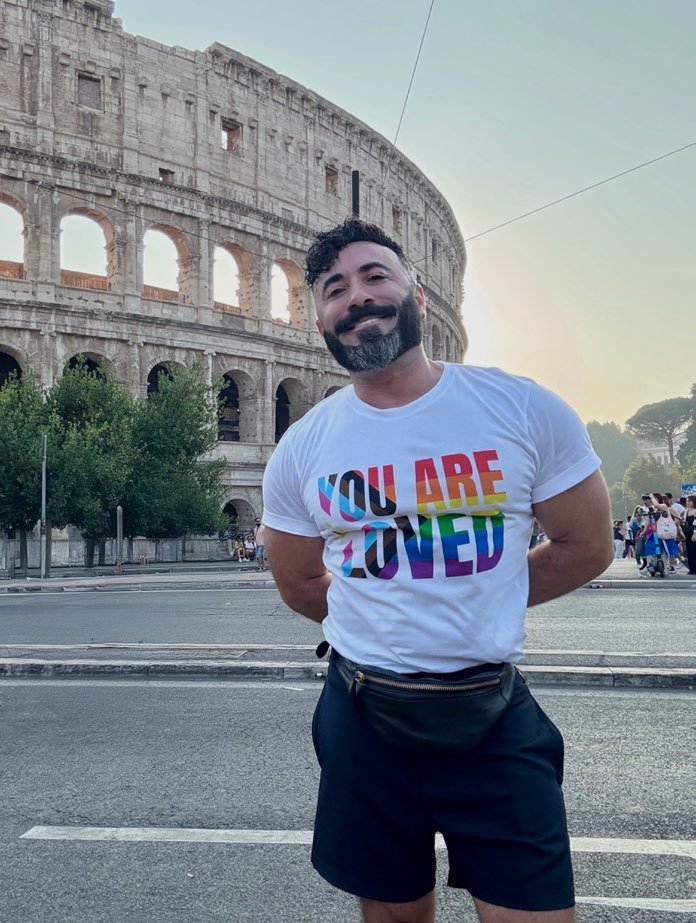
Uday’s Story
Real estate manager Uday on how he recovered after his partner’s suicide.
DNA: What were the circumstances of your partner’s death?
Uday: In 2009, my then partner of almost four years, Jonathan, took his life in our bed, in our home, while I was abroad.
DNA: That must have been very hard. How did that affect you?
Uday: The immediate aftermath of Jonathan’s suicide was a complete emotional paralysis. I remember feeling simultaneously numb and overwhelmed. My sister picked me up from the airport, and those first days were a blur of phone calls, bureaucratic procedures and an overwhelming sense of unreality.
People would ask questions and I’d find myself repeating details mechanically, feeling completely detached from my own experience. The guilt was suffocating. Even though his sister and my friends repeatedly told me it wasn’t my fault, it was hard to shake the feeling that I could have done something more. The last conversation we had – where I suggested we might end our relationship – played on repeat in my mind. Was this my fault? Could I have prevented this? These questions haunted me.
DNA: Could an organisation like You Are Loved have helped you at the time?
Uday: It would have been so helpful because it is specific to gay men. At the time, the support groups I attended in London seemed somewhat impersonal and irrelevant to my situation. I wasn’t comfortable talking honestly about details of my and Jonathan’s life together because I would have to explain too many things about gay relationships to people there who didn’t understand.
My conditioning left me fearful of homophobia within these very heterosexual and occasionally religious groups.
DNA: What does You Are Loved offer?
Uday: It offers support tailored to the needs of queer men. The support groups are open forums where you don’t have to explain anything and are free to be yourself. In addition, You Are Loved can direct people to therapists and other professionals who will understand queer men’s specific issues.
DNA: You’ve now helped raise money for You Are Loved.
Uday: I have been involved, largely in fundraising, and through my family’s charitable foundation. I am proud to say we were the first to support You Are Loved in a big way.
You can find a way back to happiness.
DNA: What advice would you give to anyone who has gone through what you have?
Uday: Professional support is important, but it’s not a one-size-fits-all solution. The first therapist might not be right. The first support group might feel wrong, but that doesn’t mean all therapy is useless. It means finding the right approach for you.
You can find a way back to happiness. That doesn’t mean the grief is gone, just that the burden becomes easier to bear. I embraced healing and allowed myself to be happy, to love again. To anyone who is going through something similar, I hope you can find the same support.
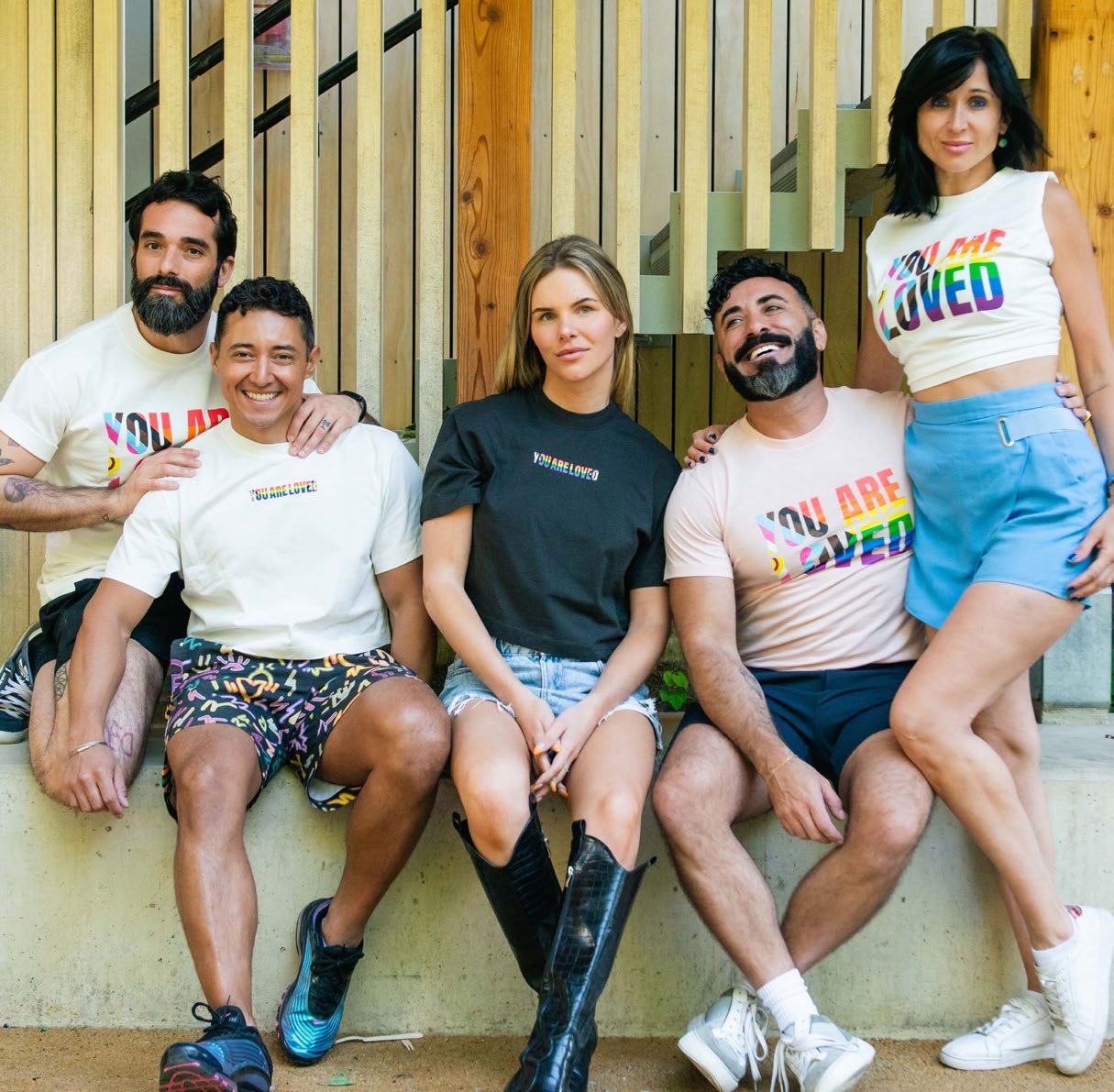
Owain’s Story
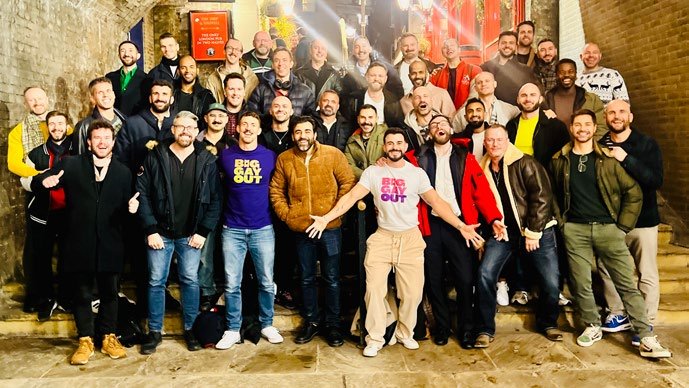
Owain was so disillusioned by the chemsex scene, he set up his own Big Gay Out organisation.
DNA: How have you been affected by suicide and/or the chemsex scene?
Owain: When I first started going out in London in 2007, I made friends with a guy I ended up dating. He led a wild party life and was friends with many of the party scene regulars. Within a few months of meeting, one of his closest friends, a trans woman, committed suicide. I attended her funeral, and it was a stark wake-up call. When I was navigating my identity and finding my place on the gay scene in London, I dabbled with drugs. It was part of the nightlife, a way to enhance experiences, or perhaps, looking back, a way to connect in an uninhibited way. Thankfully, I pulled back from that edge, but I saw others who didn’t, or who struggled profoundly with it. There was a constant undercurrent of unspoken pain and a feeling that if you weren’t “on it” you might be missing out, or worse, not be accepted.
DNA: How did you deal with this at the time?
Owain: There wasn’t much conversation about mental health or drug use beyond a certain superficiality. My coping mechanism was to simply ignore it and self-medicate. I’ve been inclined towards unhealthy relationships with things – sex addiction, work addiction, drinking too much at times. Looking back, I see a young man trying his best with the tools he had but fundamentally lacking the broader support systems that are slowly starting to emerge now.
DNA: You started your own org in London, Big Gay Out. What’s that?
Owain: Having gone through my own journey and seeing these persistent gaps for genuine, positive connections, I felt compelled to create something different. Big Gay Out (BGO) was born from that need. We’re a community specifically for gay, bi, trans, and queer men who want fun, connection and friendship beyond the party scene. We achieve this by running a wide variety of social events – everything from climbing, pottery, yoga, cinema, hiking and brunches to board games, museum visits and creative workshops. We host “real-talk” discussions. Big Gay Out is proud to be one of the organisations listed on You Are Loved’s Ask Bobby directory, further signposting our community to those seeking healthier connections. We’ve built a strong 500-plus member base, have a packed calendar of diverse events, and are dedicated to deepening the connections within our existing community in London. It’s an exciting time!
DNA: Are there plans to expand Big Gay Out in other regions or territories?
Owain: Absolutely! The need for genuine, health-positive community spaces is not unique to London – it’s a global need within the LGBTQ+ community. We believe the core principles of fun, connection and friendship beyond the party scene are universally beneficial.
DNA: What have been some of the most important things you’ve learned since setting up Big Gay Out?
Owain: The power of authentic connection. It sounds simple, but in a world increasingly driven by digital interactions, people are truly hungry for real-life, meaningful engagement. I also learned the importance of leading with values. Because BGO is built on kindness, compassion and inclusivity, those values attract the right people and repel the energy we don’t want.
Another learning is patience and perseverance. Building community takes time and consistent effort, but the rewards are immeasurable.
Finally, understanding you can’t be everything to everyone, but you can be everything to the people who truly resonate with your mission. I believe that by focusing on genuine care, inclusivity and providing spaces for authentic connection, we can build stronger, healthier and happier LGBTQ+ communities around the world.
People are truly hungry for real-life, meaningful engagement.
DNA: What advice would you give to anyone else who has gone through what you have?
Owain: Firstly, you are not alone. What you feel, what you’ve experienced – so many of us have walked a similar path.
Seek out genuine connection. Tools like Ask Bobby are now there to help you find precisely the healthier communities and support initiatives you need, like Big Gay Out.
Be kind to yourself. The journey of self-acceptance and healing is rarely linear. Acknowledge your struggles without judgment.
Dare to create what’s missing. If you can’t find the community or support you need, you have the power within you to start building it. Even small steps make a difference.
Your vulnerability is a strength. Sharing your story, when you’re ready, can be the most powerful way to connect with others and reduce stigma.
If you or someone you know is struggling, please reach out. Lifeline: 13 11 14. Beyond Blue: 1300 22 4636 (beyondblue.org.au). QLife (LGBTQ+ peer support): 1800 184 527 (qlife.org.au). You Are Loved (UK): youareloveduk.org. Ask Bobby LGBTQ+ Directory: askbobby.org. Big Gay Out: biggayout.org.
Photography: Ben Reason (Big Gay Out); Moez/AdobeStock. Feature by Marc Andrews. DNA #308.