
Being Gay In Uganda Was Already Hard – Now USAID Cuts Are Making It Even Worse

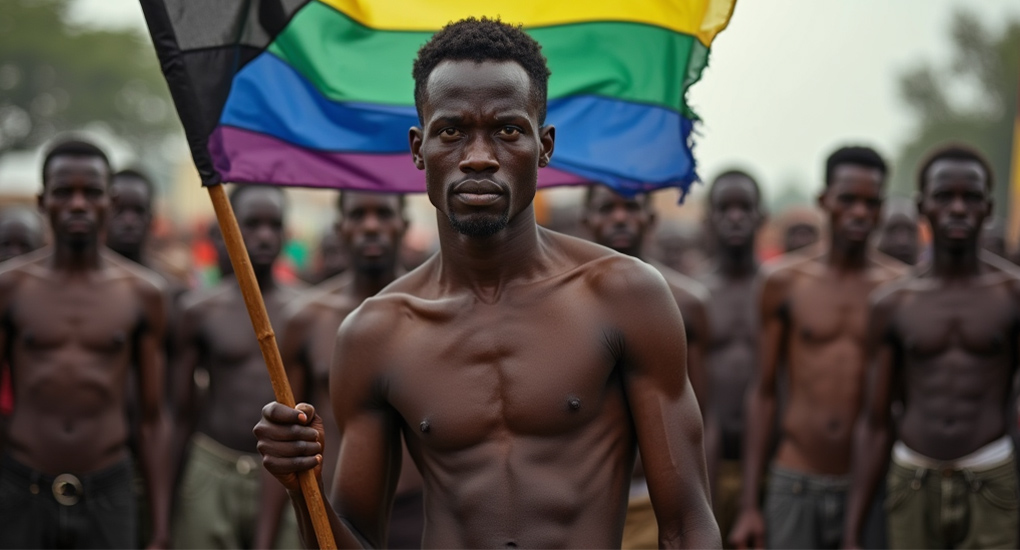
In Uganda, being gay isn’t just taboo; it’s a crime punishable by life in prison or even death under certain conditions. This harsh reality has been worsened by funding cuts from the United States Agency for International Development (USAID), leaving already vulnerable LGBTQIA+ people in an even more precarious position. As shelters close, medical supplies dwindle, and mental health resources vanish, the situation for many Ugandans grows increasingly dire.
In many places, LGBTQ issues are matters of life and death: "Where Being Gay Is Punishable by Death, Aid Cuts Are ‘Heartbreaking’" https://t.co/hd6JIYfDCH
— James Martin, SJ (@JamesMartinSJ) March 4, 2025
The New York Times recently highlighted the plight of LGBTQIA+ advocates and those living with HIV in Uganda, showcasing how the sudden loss of aid has devastated communities.
Uganda’s anti-gay law, signed in 2023 by President Yoweri Museveni, imposes life imprisonment for same-sex relations and up to 10 years for promoting LGBTQIA+ rights. Even more alarming, “aggravated homosexuality”, a term that includes acts with minors or disabled individuals, carries the death penalty. The government justifies these laws as a defence of family values, despite strong criticism from human rights activists.
Now, with USAID funding slashed under the Trump administration, LGBTQIA+ individuals face even greater challenges. Shelters have lost financial support, leaving some to close entirely. According to John Grace, coordinator of the Uganda Minority Shelters Consortium, dozens of safe houses had previously protected thousands of people from violence and homelessness. Today, at least a third of these shelters are gone, and the ones that remain are overcrowded and underfunded. “It’s a total mess,” they said.
Why the Aid Cuts Made Things Worse
The United States has long supported LGBTQIA+ rights in Uganda through initiatives that provided HIV medication, legal aid, and resources for community activism. In 2023, USAID allocated $440 million to health programs in Uganda, but that funding has now been significantly reduced. Secretary of State Marco Rubio waived restrictions for lifesaving treatments like HIV and tuberculosis care, but programs aimed at promoting inclusion were excluded. This cut-off means many LGBTQIA+ groups can no longer access critical medication or support.
The Uganda Key Populations Consortium reported that 97 percent of nonprofits working with at-risk communities had lost almost all their funding following the cuts. Services like free HIV testing and counselling have been reduced or eliminated. Some clinics have even started charging fees for previously free services, making healthcare inaccessible to many.
Richard Lusimbo, founder of the Uganda Key Populations Consortium, expressed his fears for the future. “With these programs gone, I worry our communities will be pushed back into disarray,” he said. “It’s heartbreaking.”
How Are People Coping?
Despite the bleak outlook, some Ugandans are finding ways to continue supporting their community. Andrea Minaj Casablanca, a transgender woman and counselor, has remained on the front lines, answering calls from people desperate for HIV medication, shelter, or even just a listening ear. After losing her own job due to the aid cuts, she now works as a party decorator to make ends meet. “We need to survive in this darkness,” she said.
Nonprofit leaders like Agy Hrd, who heads the Africa Queer Network, shared similar concerns. LGBTQIA+ people, particularly in rural areas, are now more at risk of illness and violence. “It’s like running from one fire to another fire,” Hrd said. She noted that even before the cuts, LGBTQIA+ individuals faced persecution, including physical attacks. With fewer resources, the fight for survival has become even harder.
What’s Next?
The global community has a responsibility to support vulnerable groups, especially in places where discrimination is codified into law. Activists warn that the collapse of vital programs in Uganda may undo years of progress in HIV prevention and education. As Richard Lusimbo pointed out, “Infections have not gone on pause just because there’s a 90-day review.”
For now, Uganda’s LGBTQIA+ advocates and allies are doing everything they can with limited resources. Volunteers keep shelters running and distribute medical supplies, but these efforts might not be enough to address the mounting challenges.

The situation in Uganda is a reminder of how quickly progress can unravel when funding disappears. It also raises urgent questions: What can be done to fill this gap? How can the world stand in solidarity with people fighting for basic rights in some of the most hostile environments?
The struggles of Uganda’s LGBTQIA+ community represent a larger fight for equality in a world that often overlooks smaller nations in crisis. Their resilience shows remarkable strength, but they cannot win this battle alone. From international funding to grassroots support, every contribution helps keep hope alive.
As this story continues to unfold, more action is needed to ensure that the most vulnerable don’t pay the price for politics.



