Conversion Therapy Is Resurging And Survivors Are Fighting Back

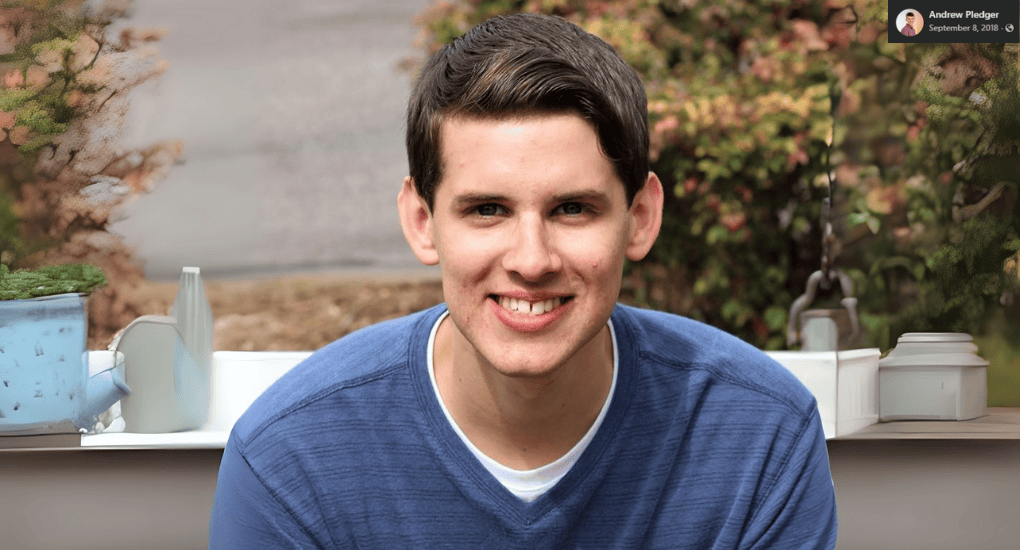
The resurgence of conversion therapy is quiet, but it’s happening. For Andrew Pledger, it began in a room that smelled of trapped sweat, on a peeling black couch. He had gone seeking help. He was a student at a private evangelical university, depressed and tormented by bullying over who he was.
What happened next is a blur. “Everything around me just faded away,” Pledger tells CNN, as written by Rob Picheta, describing how he dissociated during the session. The practice, which falsely claims it can change a person’s sexuality, is denounced by nearly every major medical association. Studies show it dramatically increases the risk of depression and suicide among young people.
Yet, it continues in new, more subtle forms. Pledger left that room with a pounding pain in his chest, but he also left with something else, something he had secretly activated on his phone just moments before: a recording.
It was never called conversion therapy.
No one ever uses the real name. For the survivors CNN spoke with, the push into these practices came at their most vulnerable moments, often from parents or church figures. Rocky Tishma was just 16 when he tried to take his own life. In the aftermath, his Mormon church offered “help” through its Family Services arm. He recalls being told, “If you live this life, you will get AIDS and die alone.”
Curtis Lopez-Galloway remembers the silent, two-hour drives to a Christian counsellor. His treatment plan, which he later obtained, included instructions to “study women to figure out what types and characteristics are attractive to him” and to “adopt a more masculine persona.” For Pledger, it started with a book, Desires In Conflict, given to him by a university staff member who promised his “homosexual desires to diminish.” The danger often lies in its disguise as legitimate guidance or spiritual care.
The men who started it all now sound the alarm.
What does it say about a movement when its own architects disown it? “We all knew it didn’t work,” John Smid, a former director at the ex-gay organisation Love In Action, admits to CNN. Randy Scobey, the former Executive Vice President of Exodus International, is just as blunt. “I don’t think anyone changed,” he says. Bill Prickett, who founded an ex-gay ministry, adds, “I do not believe that you can change a person’s sexual orientation.”
All three men, who once preached that they had been “cured” are now married to husbands. Their regret is palpable. “We hurt people,” Prickett says. Smid keeps a list of the 475 people he personally tried to change and estimates his speeches reached 38,000 more. They see their old rhetoric echoed today in pastors’ offices and political chambers. “Our dogmatism was just wrong,” Smid says. “And that dogmatism is still present today.”
A new fight is brewing…
For a while, it seemed like the practice was dying out. But a shift in the political climate has given it new life. In the United States, Republican-led efforts have successfully overturned local and state-level bans on conversion therapy. Proponents argue these bans infringe on parental rights and free speech. David Walls of The Family Foundation, which campaigned to scrap a Kentucky ban, claims, “The other side can use terms like ‘torture’, that’s not what we’re talking about here.”
The issue is now heading to the US Supreme Court. A challenge to Colorado’s law prohibiting the practice for minors could put all existing bans across the country at risk. While this battle plays out in courtrooms, the damage continues in quiet rooms and counsellors’ offices. The Trevor Project, a suicide prevention non-profit for LGBTQIA+ youth, reported in 2023 that conversion therapy was still offered in 48 states.
Healing is possible, but the scars remain.
The trauma of these experiences lasts for decades. Rocky Tishma’s journey after his sessions led to excommunication from his church and a devastating crystal meth addiction. “To this day, I have a hard time smiling in pictures because I feel like I’m too effeminate,” he admits. But he found a way forward. He became a psychotherapist, specialising in helping other survivors. “I get to be the therapist that I needed,” Tishma says.
Curtis Lopez-Galloway founded the Conversion Therapy Survivor Network, the only major support group of its kind in the US. “It is a specific kind of trauma,” he says. “Only someone who has been through it would know what it’s like.”
And Andrew Pledger? After being asked to leave his university for renouncing his faith online, he felt a weight lift. He eventually earned a degree in psychology and now helps organisations that work with cult survivors. He says he is finally at peace with himself. His last memory of the university that tried to “fix” him was after a snowstorm had trapped him on campus for two extra days. When the snow finally melted, he packed his things into a friend’s car. “I looked back at the buildings for the last time,” he recalls. A smile crossed his lips. “I got out.”
Read Rob Picheta’s feature in full at CNN.