
Why Gay Men Love Mexico City’s Last Metro Car

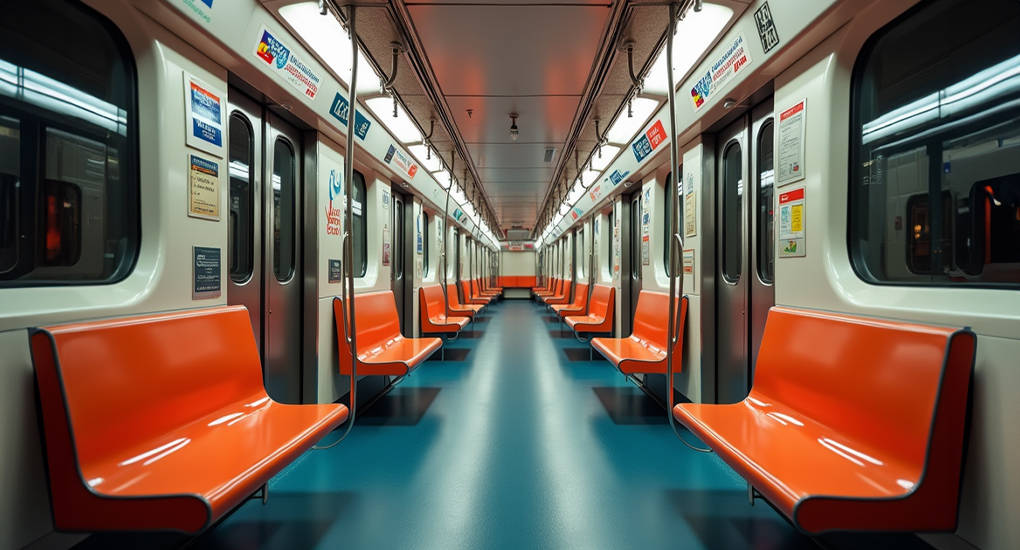
Originally reported by The Nation, this article explores one of Mexico City’s most talked-about social phenomena – the último vagón (last car) of the subway system.

The México City subway’s last car tells a complex story. Since 1969, the último vagón has been more than just public transport. It’s a social space where connections happen, both casual and intimate.
More Than Just Transport
The último vagón serves two main purposes. First, it’s a social hub where men meet, chat, and form connections without pressure. Think of it as a moving social club. Second, it offers intimate encounters, from quick meetups to deeper connections.
The last car became popular because it’s accessible to everyone – no entry fees, dress codes, or social status required. Men from all backgrounds – workers, students, professionals – use this space. It’s particularly important for those who can’t openly express themselves elsewhere.
The unwritten rule is simple – what happens in the last car stays there. Regular commuters know this car is different, so they choose other carriages. This creates an understood boundary that’s kept this culture alive for decades.

The subway system opened in 1969, and historian Alonso Hernández Victoria notes it quickly became a social hub. Luis Zapata’s 1979 novel The Vampire Of Colonia Roma describes the metro as central to Mexico City’s social scene.
Mexico City’s approach to the último vagón sits in a grey area. The city code only addresses public behaviour when someone files a complaint. This creates an interesting situation where activities aren’t exactly legal, but aren’t strictly forbidden either.
By the 1990s, geographers Álvaro Sánchez Crispín and Álvaro López-López noted the subway had become one of the world’s most visited social spaces. The city has embraced this cultural aspect, featuring works by artists like Keith Haring on train exteriors.

Today, the último vagón faces potential changes. While cities like Amsterdam and Copenhagen have clear policies about public spaces, Mexico City’s approach remains undefined. This leaves many people in a precarious position, dependent on individual police officers’ decisions.
The México City metro carries millions daily. For some, it’s just transport. For others, it’s a vital social space. The último vagón shows how people create communities in unexpected places, turning public transport into something more meaningful.




