WA Police Investigate “Abhorrent” Anti-LGBTQIA+ Flyer Campaign Hitting Perth Letterboxes

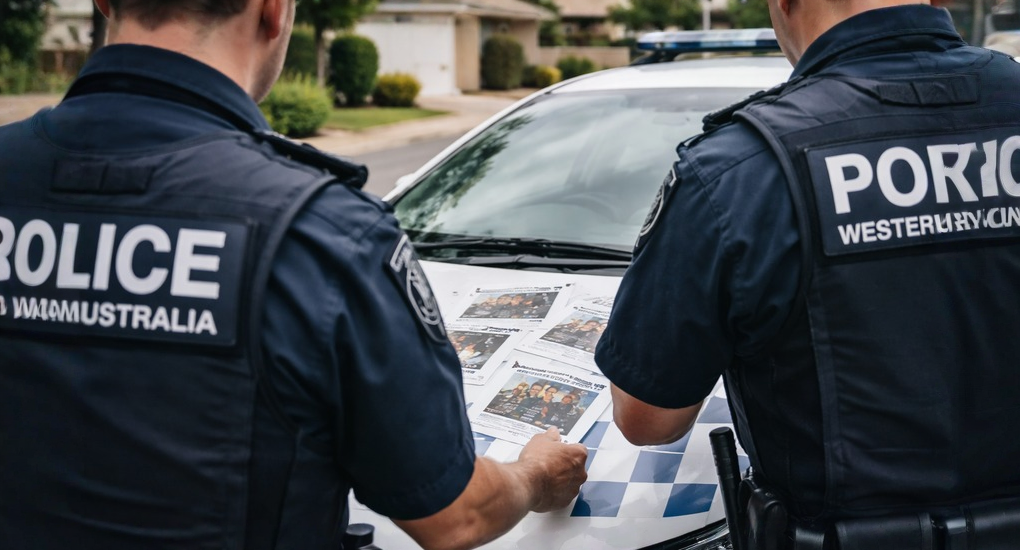
As reported by The Guardian, police in Western Australia are investigating anonymous flyers dropped into letterboxes across Perth that target members of the LGBTQIA+ community with false claims, including allegations of paedophilia and drug trafficking. The material reportedly included photos of people from the community, with at least one flyer featuring Pride WA board member Gregory Helleren. WA Police said it had received several reports and that inquiries were ongoing.

False claims sent to homes
Helleren said he had been “quite disturbed” by the flyer using his image and told the media that his concern was not only personal but also about the wider effect on the community. According to The Guardian, he said some of the claims were outrageous, yet still “plausible enough” that an average reader might believe them.
ABC News also reported that he first learned of one flyer through his brother in late January and later reported it to the police.
This attack has struck a nerve with the local community because these flyers were not random abuse online. They were printed, delivered to homes, and aimed at making targeted lies look credible. The people behind the flyers have not been identified.
The legal debate is back
The case has renewed pressure on WA to strengthen its anti-vilification laws. The Guardian reported that advocates, including Rainbow Futures WA and Equality Australia, say current state protections cover race-based hate, but not sexuality, gender identity, disability or religion. Attorney-General Tony Buti described the flyers as “abhorrent” and said targeted harassment has no place in WA.
That debate is already active. In February, the WA government introduced broader hate speech and protest laws that would let police refuse permits for events likely to promote hate based on religion, race, disability, gender, sexuality or ethnicity. In parliament later that month, Buti said WA’s existing anti-vilification laws relate to race hatred, which helps explain why advocates say the current framework still falls short for LGBTQIA+ people.
For now, the immediate issue is simple. Police are investigating who made and distributed the flyers, while community groups keep pressing for stronger protections. The story may be local, but the tactic is familiar: spread fear, hide the source, let suspicion do the rest.