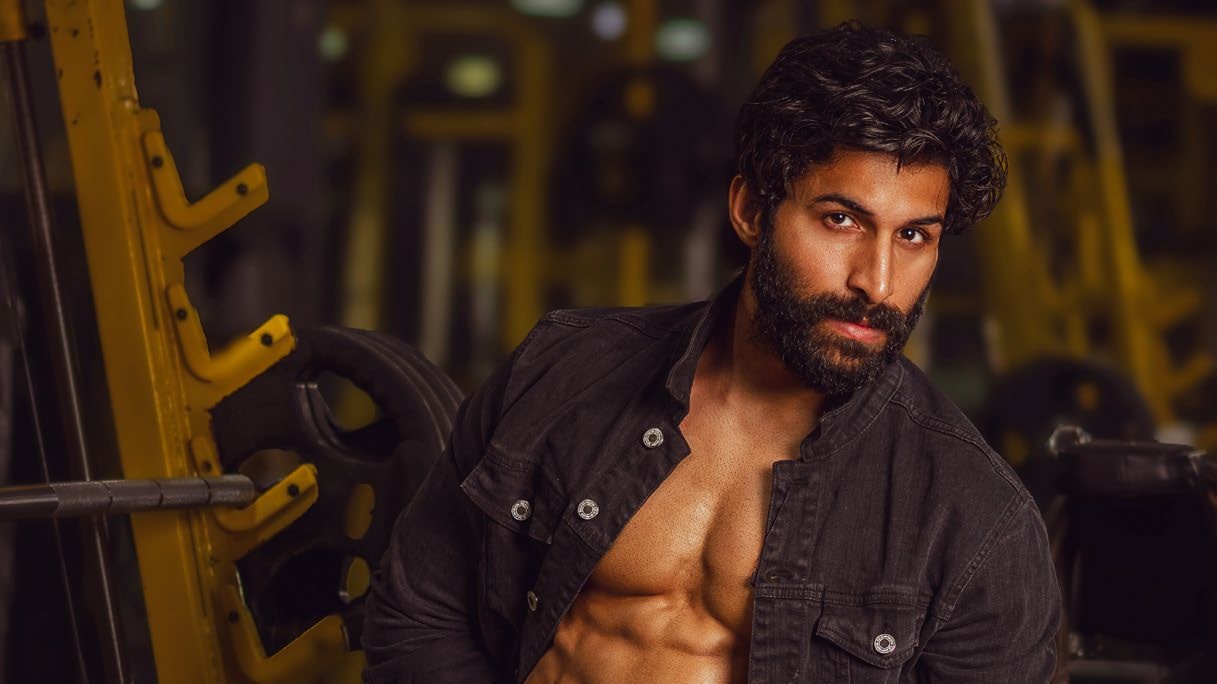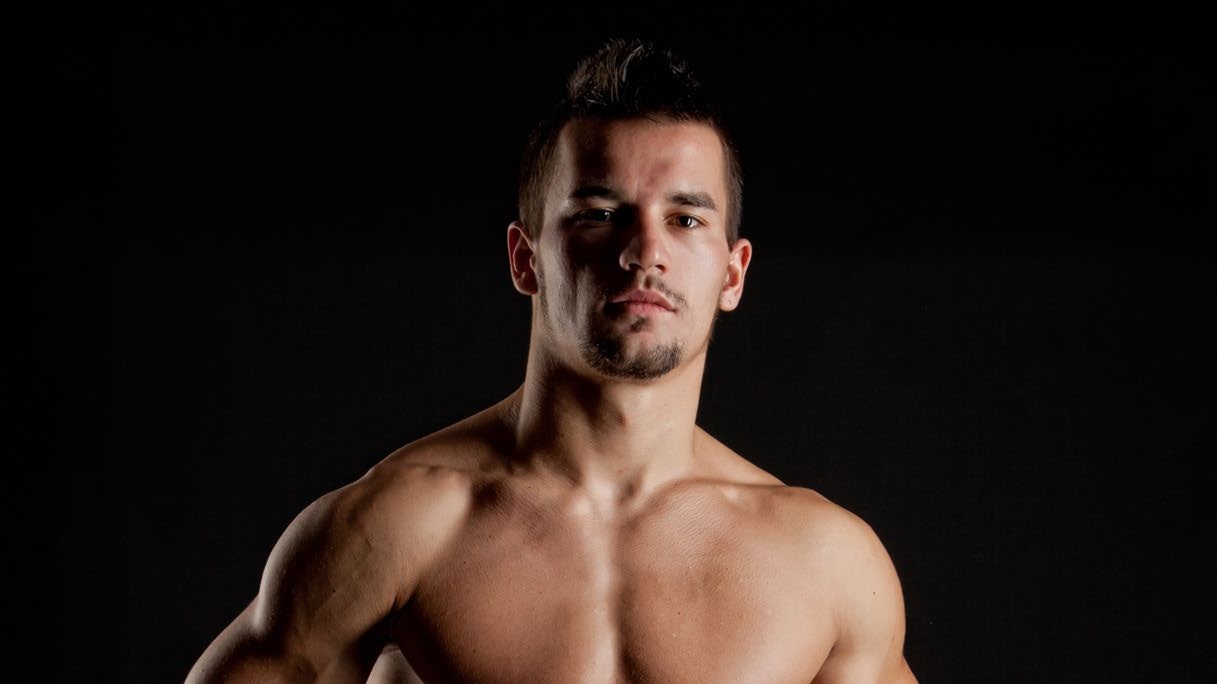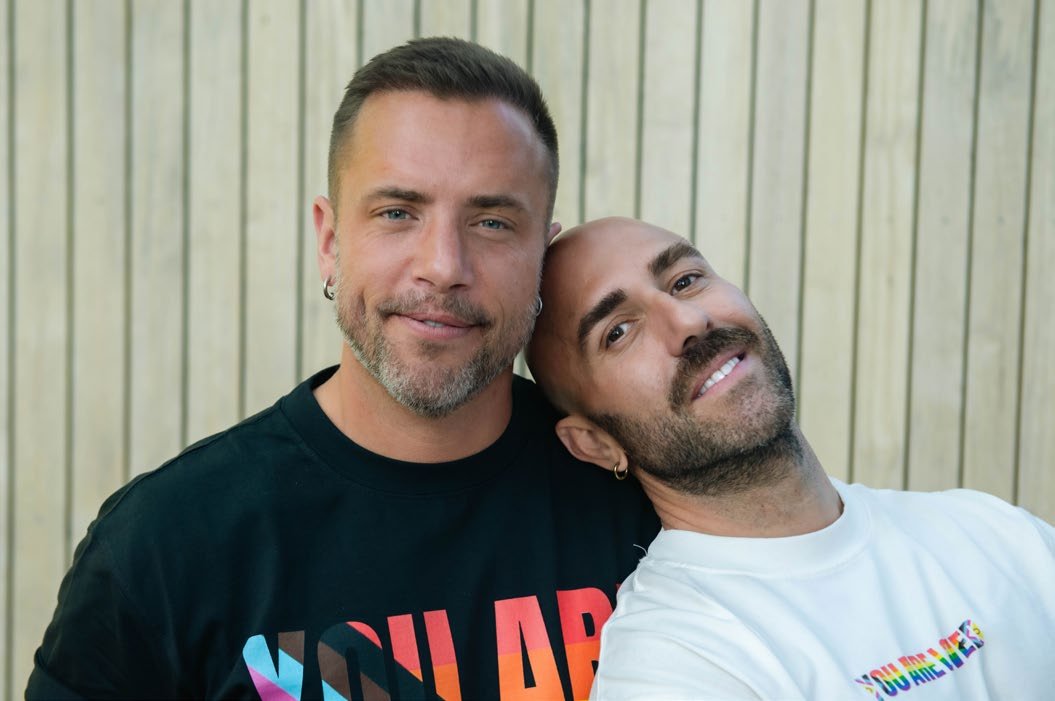

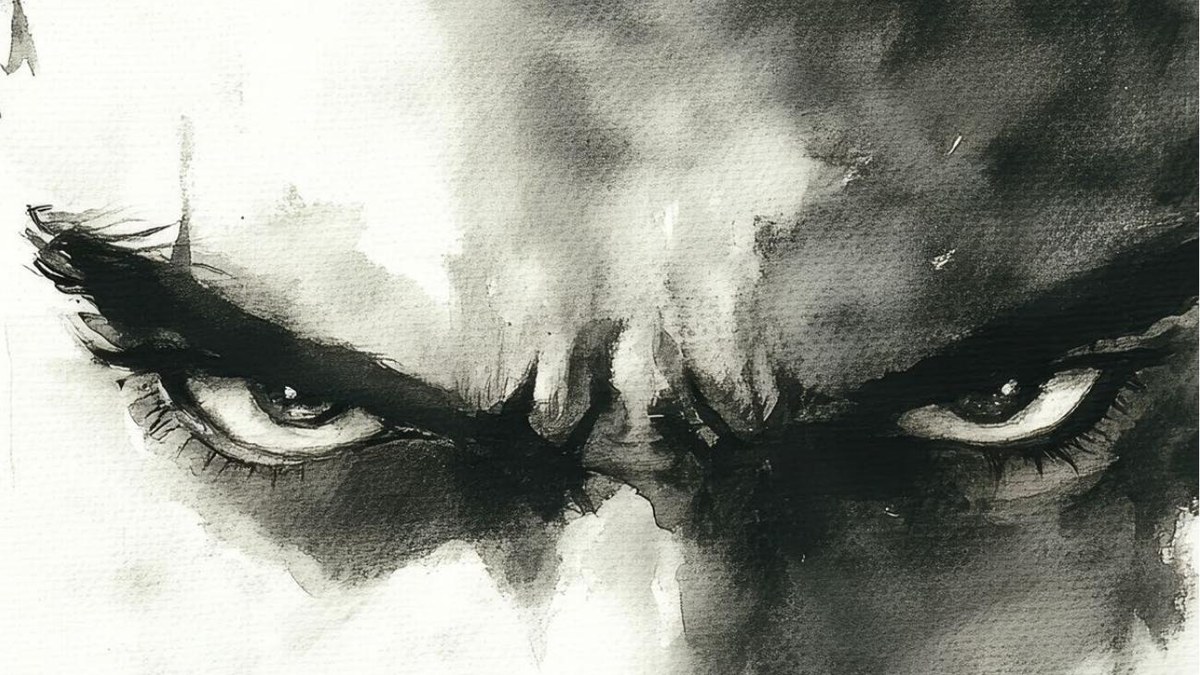
An online ecosystem of young, mostly straight males, many just teenagers, with a sense of grievance against women, the manosphere believes in the superiority of men, that men have no worth unless they possess wealth and status, and that society is rigged against them. Their leaders endorse abusive misogynist rhetoric while raking in millions of dollars peddling “self-improvement” products to their followers. They are also fuelling a new wave of violence against gay men.
Early this year, the governments of two Australian states took action to address a growing wave of violence targeting gay men, particularly the insidious “post and boast” attacks facilitated through dating and hookup apps.
Previously seen as isolated or random attacks, the violence is now being recognised as something more coordinated, more ideological, and more dangerous.
On the 18th of February, the government in Victoria announced a parliamentary inquiry into the role of far-right online ecosystems, particularly the so-called “manosphere”, in fuelling homophobic violence.
The inquiry will explore a disturbing pattern: young men radicalised in online communities are using gay dating apps to lure victims under false pretences, only to assault, rob and humiliate them, often recording the attacks to share online for social capital. This is “post and boast” behaviour in its purest, ugliest form.
Meanwhile, in New South Wales, new legislation has strengthened protections for LGBTQIA+ people against hate crimes, following similar moves in Victoria last year. The NSW reforms announced on 18 March expand sentencing considerations, improve police powers and acknowledge the evolving nature of targeted violence in a digital age.
“The attacks we have seen targeting members of the LGBTQIA+ community are sickening and completely unacceptable,” said NSW Premier Chris Minns, announcing amendments to the Crimes (Sentencing Procedure) Act 1999. “These laws send a clear message that if you target someone out of hatred or try to lure someone into harm, you will face serious consequences.”
The laws are designed to respond to the reality that queer people are not just being harassed but hunted through platforms that were supposed to connect us.
What’s Driving This New Wave Of Violence?
It’s a development that’s come as a surprise to those who thought the bad old days of “poofter bashing” during the 1970s, ’80s and ’90s were consigned to history. (As a reminder of how dark that period was, a public memorial in Sydney’s Bondi neighbourhood, called Rise, is dedicated to “as many as 88 gay men murdered and many more members of the LGBTQ community assaulted” in Sydney alone during this time.)
“The manosphere is about maintaining a particular hierarchy, one where heterosexual masculinity sits at the top,” says Sydney-based counsellor and therapist Ash Rehn, who has spent more than three decades working with gay and bisexual men.
“Gay men disrupt that hierarchy simply by existing,” he tells DNA. “They expose that masculinity is not fixed, and that threatens the structure.”
They were filming. One of them told me to say I was a ‘dirty faggot’ into the camera… It was about humiliation.
Rehn believes attacks on gay men are, in part, attempts to reinforce the perpetrators’ fragile male egos and conquer self-doubt.
“At an individual level, a lot of this comes back to insecurity,” he says. “When someone feels uncertain about their own identity or worth, one way to manage that is through domination. If I can position someone else as inferior, I don’t have to confront my own vulnerability. So, targeting gay men serves two functions. It reinforces group identity, and it protects against internal doubt.”
Academic and arts psychotherapist Martin Roberts has worked extensively with young people and LGBTQIA+ communities at the Sydney Children’s Hospital Network, Headspace and Western Sydney University. He says adherents of the manosphere may see gay men as “traitors”.
“Not all, but a lot of gay men, including myself, would say that they tend to be more in touch with their feminine side,” he tells DNA. “On a spectrum, gay men can express this femininity at differing levels and value this side of their nature.”
“The manosphere, with its ultimate belief in the superiority of masculinity, sees any presentation of femininity as weak or lesser. So, men who show a feminine side may be viewed as an abomination of nature and a betrayal of masculinity. This is deeply misogynistic and homophobic, of course, but it goes some way to explaining why gay men would be targeted so readily by the manosphere.”
Post And Boast

For Anthony, a 42-year-old sales professional from Wollongong, these discussions feel painfully close to home. He agreed to share his story as a post-and-boast victim on the condition of anonymity beyond his first name.
“It was just a normal chat,” he recalls. “We’d been messaging for a couple of hours. He seemed genuine, sent photos, talked about work, even joked about bad dates. Nothing felt off.”
The meeting point was a quiet suburban park. “I remember thinking it was a bit dark, but that’s not unusual,” Anthony says, looking back. “You don’t always want to bring someone straight home.”
What happened next unfolded in seconds. “Two guys came out from behind a tree. One of them grabbed me, the other started hitting me. They were laughing. One of them said, ‘Got another one.’ That’s when I realised this wasn’t random.”
Anthony’s phone and wallet were taken. But it was what happened afterwards that has stayed with him.
“They had a phone out. They were filming. One of them told me to say I was a ‘dirty faggot’ into the camera. I wouldn’t do it, so they hit me again.” He pauses before adding: “That’s the part that messes with your head. It wasn’t just about stealing. It was about humiliation.”
Anthony hesitated for two weeks before reporting the crime to police, embarrassed about the nature of the assault and its location. He says the police officers were generally professional and sympathetic, although he adds: “One gave me a bit of a ‘what do you expect?’ vibe, like I should have known better. He didn’t actually say those words, but that’s the feeling I got.”
Police took his report, only for the investigation to stall when a phone number linked to the dating app turned out to be a burner phone.
Authorities across Australia have acknowledged a rise in incidents such as the attack on Anthony, although precise figures remain difficult to quantify due to underreporting. According to the Australian Institute of Criminology, hate crimes against LGBTQIA+ individuals are significantly underreported, with victims often reluctant to come forward due to stigma, fear of outing or distrust of authorities.
Performative Poofter Bashing
Ash Rehn says the violence has a performative aspect. “What we’re seeing is a mix of fear, shame and group dynamics. When these acts happen in groups, they take on a pack mentality. The individual is no longer acting alone but performing for others,” he says. “Violence becomes a way of proving masculinity and securing status.”
Rehn points to another disturbing layer: “There is often also an unspoken layer of conflict around sexuality. Luring someone through a gay app creates proximity to something that may already feel charged or refused. The violence becomes a way of rejecting that discomfort. The post and boast element turns it into social currency. The reward is attention, validation and belonging within the peer group.”
Gay men disrupt that hierarchy simply by existing. They expose that masculinity is not fixed…
Roberts compares that peer group to a tribe. “When people become indoctrinated into an extreme belief system, they join a network of groupthink and discard or ignore their other moral markers, instead adopting the values of that belief system,” he explains. “So, the manosphere could be considered as a form of tribalism.”
“Members’ identities become closely attached to that of the tribe and their self-esteem is reliant on its approval. To post and boast is to gain acceptance and validation from other members of the tribe who share the same warped moral compass.”
A Potted History Of The Manosphere
But what exactly is this “tribe” and how did it come about? Arguably, the manosphere did not begin as a hate movement. Like many subcultures, it emerged from something more ambiguous. Part support network, part ideological experiment, its early growth was largely organic.
Its roots can be traced back to the 1970s men’s liberation movements in the USA, which sought to interrogate rigid gender roles and the emotional repression of men. There was, at least initially, a shared language with feminism: a recognition that patriarchy harms everyone. But somewhere along the way, things began to curdle.
By the early 2000s, online forums had begun to splinter into distinct factions. Pickup artists (PUAs) offered pseudo-scientific strategies for seducing women, reducing human connection to scripts and ‘negging’: a manipulative dating tactic involving backhanded compliments or flirtatious insults designed to undermine a person’s confidence.
So-called “involuntary celibates” or “incels” formed communities built around resentment, fatalism and the belief that women were gatekeepers of a sexual marketplace rigged against them.
One of the most extreme manosphere subcultures to emerge was the Men Going Their Own Way (MGTOW) movement, which came to prominence in 2011 with the creation of the r/MGTOW subreddit. It has since been permanently removed by Reddit for violating the platform’s policies against promoting hate speech.
A misogynistic community espousing male separatism and encouraging men to withdraw from relationships with women, MGTOW’s abandonment of heterosexual pursuit led some to link it to homosexuality. Endorsement of the movement by then-gay, now ex-gay right-wing polemicist Milo Yiannopoulos strengthened the perception.
But MGTOW was never about swapping heterosexuality for homosexuality. Rather, it adopted a “going monk” approach, committing to total celibacy.
And then came the violence. Perhaps inevitably, the manosphere exploded into public consciousness in that most American of ways: mass murder.
On 23 May 2014, 22-year-old Elliot Rodger armed himself with a slew of semi-automatic pistols and knives, and killed six people in Isla Vista, California, before fatally shooting himself. Fourteen other people were injured.
Prior to the massacre, Rodger uploaded a video to YouTube announcing his intention to “punish” women and the men to whom they were attracted for their lack of interest in him. He also emailed a 137-page manifesto to media outlets, family members, acquaintances and therapists in which he bemoaned personal struggles and frustrations at being a lifelong virgin. Rodger’s manifesto became a foundational text within manosphere communities, normalising the idea that violence could be both justified and heroic.
Around the same time, charismatic influencers began to monetise male grievance. Figures like Andrew Tate built vast audiences by promoting hyper-masculinity, wealth accumulation and disdain for women. Tate’s brand — luxury cars, aggressive rhetoric and a constant performance of dominance — proved intoxicating to young men navigating a world of economic precariousness and shifting gender norms.
“Figures like Tate tend to package certainty in a way that is very compelling,” says Rehn. “They take complex emotional and social experiences and reduce them to simple formulas. Who is to blame. How to win. What it means to be a man.”
Martin Roberts traces Tate’s modus operandi back to deep vulnerabilities. “I would suspect that the worldview and actions of someone like Andrew Tate come from deeply held insecurities and an inability to be with feelings of vulnerability,” he says. “Often there is an element of learned behaviour, and it may be that Tate learned that the only way he could feel good about himself was to detach himself from uncomfortable emotions and adopt the tough image afflicted to the hyper-masculine idea of the strong guy who has dominance over all those around him.”
Since Tate’s rise, the manosphere has expanded to include “trad wife” advocates promoting a return to so-called traditional gender roles, as well as self-improvement subcultures obsessed with hierarchy, status and optimisation.
On the surface, these communities appear to be diverse. In practice, they share a common thread: a belief that men are under siege and that reclaiming power requires rejecting equality.
Crucially, as both Rehn and Roberts emphasise, gay men are not outside this ecosystem — they are shaped by it. “Gay men, like all people, are shaped by the cultural conversations around masculinity,” Rehn says. “We’re not outside of that discourse; we’re formed within it.”
Roberts proffers: “We live in a patriarchal society where men have primary power and privilege, and the manosphere takes that further, offering men a space of total control and power. Gay men grow up and live in such a world, which includes subtle and overt forms of homophobia everywhere, and can find it hard not to internalise some of that homophobia and bias for the masculine.”
Maxxing Out

If the manosphere has a visual language, it’s “looksmaxxing”: a process aimed at maximising one’s physical attractiveness through various means, ranging from improved grooming and gym fitness to more invasive interventions such as cosmetic surgery and steroids.
At its most extreme, it encompasses “bonesmashing”, where individuals intentionally apply blunt force trauma to their face in the misguided belief that the bones will heal thicker and more defined.
“What I hear consistently from men in therapy is a sense of ‘not being enough’,” says Rehn. “Looksmaxxing taps into that.”
It is here that the uncomfortable relationship between the manosphere and gay culture is at its strongest. The aesthetic is unmistakable: extreme grooming, gym-honed bodies, cosmetic enhancements, a fixation on perfection.
There is an irony here. The lean, sculpted, hyper-groomed “ideal” male body being promoted is the aesthetics created by gay male gym culture.
If the looksmaxxing movement has a leader, it’s Braden Eric Peters, the 20-year-old New Jersey influencer known to his fans as Clavicular. Just a few years ago, Peters presented as a regular high-school teenager: slightly spotty, appealingly goofy, relatable. Today, he smashes his face with a hammer, injects himself with testosterone (which has made him infertile) and smokes meth to stay lean, in the pursuit of the masculine ideals to which a cohort of narcissistic young men aspire. He recently passed out in a nightclub and was rushed to hospital.
When people become indoctrinated, they join a network of groupthink and discard their other moral markers…
Gay OnlyFans and TikTok celebrity Judah Thee Glutelord (@werewolffbarmitzvah) recently went viral with a video in which he pointed out the many striking similarities between Clavicular and a particular gay male subculture.
“The whole thing about the Clavicular, looksmaxxing, macho, testosterone, pretty boy Olympics competition is that it is literally just toxic muscle gay circuit party culture escaping containment and being transmitted to straight people,” he tells viewers. “A bunch of dudes that spend 10-to-20 hours a week in the gym, comparing physiques and making each other feel insecure? Yeah, that’s the dance floor at a circuit party.”
But looksmaxxers arguably have more in common with the fictional Patrick Bateman of American Psycho than your garden-variety urban homosexual.
Adrian, a gay, 34-year-old hospitality worker from Melbourne, recently became aware of looksmaxxing in an unexpected and distressing way. “I go to the gym a lot,” he says. “I’m pretty into how I look. Not obsessively, but yeah, I take care of myself.”
He matched with someone on a dating app who, in hindsight, seemed “too keen”. “He kept saying I looked like an ‘alpha’,” Adrian recalls. “At the time, I thought it was just a weird compliment. He kept asking if I was a looksmaxxer, and to be honest, I’d heard the term but didn’t really know what that was.”
They arranged to meet at a waterfront location late at night. “As soon as I got there, I knew something was off,” Adrian says. “But before I could leave, three guys came up behind me. They kept saying things like, ‘You think you’re a hotshot? You think you’re an alpha?’ It all happened so fast, but one guy kept taking swings and a couple of punches connected. Another one was egging them on, and the other guy was filming. They were yelling ‘faggot’ and spitting at me. It was weird, it felt personal, like they were angry at me for something. The filming is what really got to me,” he says. “It’s like I wasn’t even a person. I was content.”
Adrian escaped by outrunning his assailants, who did not follow him into a brightly lit area. He did not report the December 2025 incident to police but says he is now reconsidering that. “It’s something I don’t want to give much energy to. I actually got out of it okay. But I’m aware that they could really hurt someone.”
The irony is that the lean, sculpted, hyper-groomed ‘ideal’ male body being promoted was created by gay male gym culture.
Roberts sees a potential connection between this kind of violence and the aesthetics promoted by the manosphere. The standards being sold are often unattainable. When followers fail, the blame shifts outward — towards women, towards society and increasingly towards gay men.
This creates tension. Gay men become both competitors and reminders of an uncomfortable truth. “To adhere to looksmaxxing… can afford some people validation and provide a quick boost to their fragile self-esteem,” Roberts explains. “But when that validation fails or is misdirected, the consequences can be volatile.”
The Manosphere Is A Money-Making Scheme
For all its ideology, and the various subcultures it has spawned, the manosphere is also a commercial movement. Influencers like Andrew Tate have built empires promising to transform followers into “high-value men”. The formula is simple: identify the customer’s insecurity, amplify it, then sell a solution.
And it’s clear the manosphere doesn’t just sell masculinity, it sells access. The podcasts, the TikToks, the livestream “debates” are not endpoints. They’re shopfronts. Sitting behind them is a layered revenue model that would make your average startup hustler blush: subscriptions, courses, affiliate links, crypto punts, even paid brotherhoods promising proximity to alpha success.
At the centre of it all is a simple equation: attention equals cash.
As a decentralised network of independent influencers, creators and businesses rather than a single, coherent industry, it’s impossible to calculate the market value of the manosphere. But clearly, there’s big money to be made by its proponents.
According to The Guardian, Clavicular earned over USD100,000 in January alone from the more than 180,000 followers he has on the streaming platform Kick.
Worryingly for gay men, the man behind this financial juggernaut is free and easy with homophobic language, with “faggot” being a favourite putdown.
Another prominent Kick streamer is Harrison Sullivan, a self-professed multimillionaire known online as HSTikkyTokky. The 24-year-old British influencer with a history of using homophobic and anti-Semitic slurs now has 242,000 followers on the platform. He features prominently in the new Netflix documentary, Louis Theroux: Inside The Manosphere.
Sullivan told Theroux that if he had a son who “came out as gay”, he would disown him. He doubled down on this during a recent interview with Piers Morgan, arguing that having a gay son is a “product of parenting” and that disowning him would be “good parenting”.
Theroux’s documentary focuses on the audiences of such influencers: boys and young, impressionable men. In one disturbing scene, pre-teen boys speak openly about hating women and gay men. Throughout the documentary, young men speak of having “no value” unless they attain dominance, status and wealth.
For the gay community, the implications are disturbing. What might once have been isolated acts of homophobia are now embedded within a broader ecosystem that financially rewards and amplifies a worldview based on toxic masculinity: one in which gay men are devalued and dehumanised. Where performative post-and-boast attacks for an audience of manosphere “bros” are on the rise.
Fighting Back
For gay men, the consequences are immediate and personal. Dating and hookup apps, once tools of liberation, have become potential sites of danger.
The recent legislative moves in Australia to combat this danger are a good start, say community advocates and experts, but prevention is better than cure.
“Prevention has to be the priority,” Rehn says. “Legal responses matter. They set boundaries and signal what a society will not tolerate. But we need a cultural shift.”
That shift begins long before a dating app message is sent or a trap is set. It begins with how we teach boys to understand themselves, their emotions and their place in the world.
“It starts in schools,” says Rehn. “At the moment, we tend to prioritise preparing people for the workforce. I would argue we need to place greater emphasis on compassionate citizenship. That includes emotional literacy, respectful relationships and critical thinking about gender and power. If young people are only given narrow scripts for masculinity, we shouldn’t be surprised when some of them act out those scripts in harmful ways.”
Equality Australia, a national organisation dedicated to equality for LGBTQIA+ people, is on the same page.
“Enforcement alone will not stop this from happening again,” says Equality Australia legal director Heather Corkhill. “We need action to disrupt online radicalisation, coordinated hate networks and copycat behaviour, as well as the spread of anti-LGBTIQ+ hostility in online spaces that is creating the conditions for this violence. We also need stronger reporting mechanisms, responsive policing, and properly funded wrap-around support for victims.”
Last May, the NSW Government appointed former NSW Supreme Court judge John Sackar to review criminal law protections against hate speech for vulnerable communities. Sackar completed his report in November, but it remains under wraps at the time of writing. Corkhill is calling for the urgent release of the review.
ACON, the peak LGBTQIA+ health and wellbeing body in NSW, is also calling for the Sackar report to be made public. And it’s warning LGBTQIA+ people to be aware of the risk of violence.
“While most online interactions are positive and safe, we recommend that people be aware of their safety by taking practical steps like telling a friend where you are going, doing a video chat before meeting and meeting somewhere where others are around,” says ACON CEO Michael Woodhouse. “Trust your instincts and leave the situation if something feels wrong or unsafe. If people have been victims of hate crimes, reporting to police helps. If you need support to make a report, ask for a GLLO (Gender Diverse and LGBTQI Liaison Officer). You can also make anonymous reports through Crime Stoppers.”
Gay men in Australia are fortunate that we have strong LGBTQIA+ institutions to support us and that politicians appear to be taking the threats posed by the manosphere seriously. But dismantling the culture that produces this violence requires something deeper. And for gay men navigating this terrain, awareness is not just political. It’s personal.
Andrew Tate’s Manosphere: Dark, Toxic And Confused…
In April 2024, Andrew Tate posted on X: “Sex is for making children. Any man who has sex with women because it ‘feels good’ is gay. Oh my pee pee feels good this is great! In fact if you are 40 with less than 5 children you’re probably gay.”
Some interpreted this incoherent logic as not being about sexuality at all; instead, that he’s suggesting that the pursuit of pleasure is “gay” or that enjoying the company of women is “gay”. Mockery and scorn followed. On Instagram, comedian Matt Bernstein responded, saying, “Satire is dead,” and pointed out that by Tate’s own logic, being 37 at the time with fewer than five children, Tate himself must be gay. His post included a picture of Tate with Diana Ross’ I’m Coming Out played over the top.
You’re really, really close to realising you’re gay…
Other social media users suggested the post revealed more about Tate than he intended. “You’re really, really close to realising you’re gay,” wrote one commentator, while another noted, “There’s a reason that homophobia is defined to include a fear of being gay,” and another comment simply closed him down, describing him as a “monster and a troll”. Unsurprisingly, Tate tried to walk it back by claiming he was only joking.
Tate has been charged with, and is under investigation for, rape, assault, human trafficking, and profiting from prostitution in Romania, the UK, and the state of Florida in the US. Despite the widespread online mockery of his ideology by grown-ups, and the criminal investigations, a 2023 poll found that almost a quarter of boys aged 13 to 15 in the UK held a positive view of him.
Peter Hackney is a freelance writer.
Images: LITTLEDUCK/ADOBESTOCK; ATSTOCK PRODUCTIONS/SHUTTERSTOCK; LCV/SHUTTERSTOCK