
Anti-Gay Laws Must Go, EU Tells Hungary’s New PM Peter Magyar


Hungary’s newly elected prime minister, Péter Magyar, has inherited a problem his predecessor never wanted solved. Nine days after Magyar’s centre-right Tisza party defeated Viktor Orbán in the 12 April election, the European Court of Justice ruled that Hungary’s 2021 anti-LGBTQIA+ “child protection” law breaches the EU’s founding values. The verdict effectively hands Magyar his first big decision: scrap the law Orbán built, or risk the EU funding he has promised to win back.
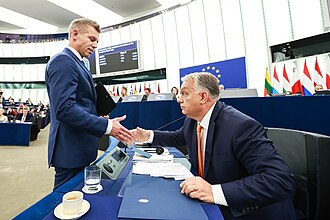
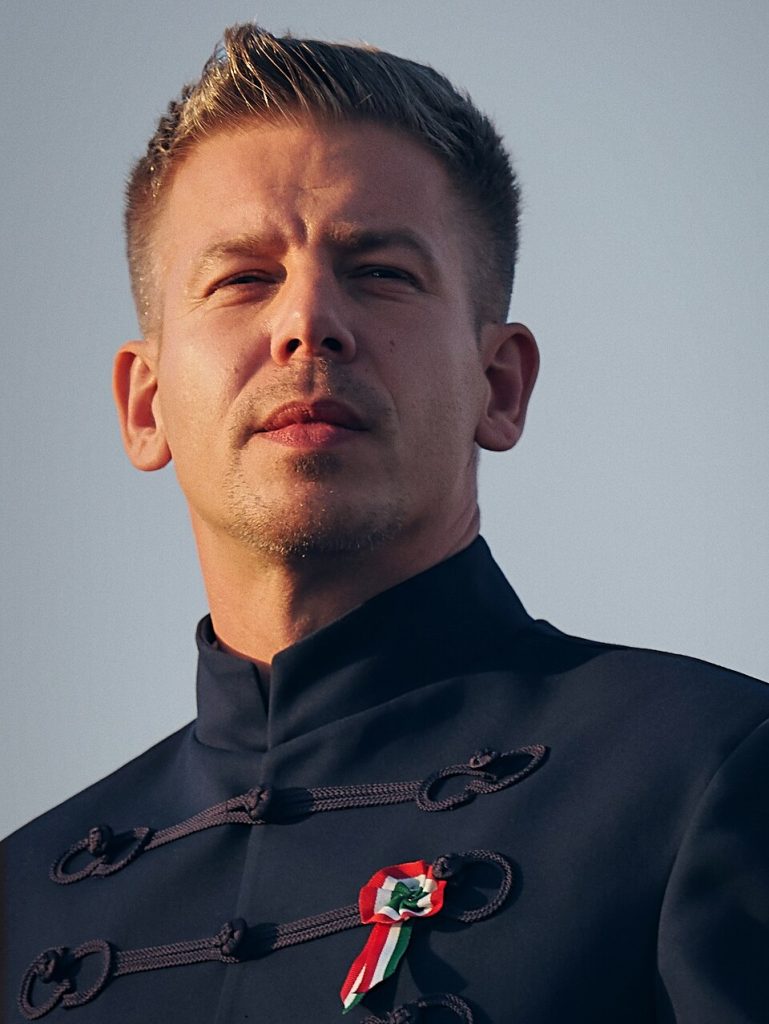
Who is Péter Magyar
The 45-year-old lawyer worked at Hungary’s foreign ministry and later at the country’s permanent representation in Brussels, before splitting from Orbán’s party in February 2024 over a presidential pardon scandal. He went on to lead the Respect and Freedom Party, known as Tisza, to a 138-seat supermajority in Hungary’s 199-seat parliament. He is charming on camera and fluent in EU-speak. What he is on LGBTQIA+ rights remains an open question.

The EU ruling that changes everything
On 21 April 2026, Europe’s top court found that Hungary’s law banning the so-called “promotion of homosexuality” to under-18s violates the EU’s Charter of Fundamental Rights and Article 2 of the Treaty on European Union. It is the first time a member state has been found to have breached the bloc’s founding values. The case was brought by 16 of the EU’s 27 member states alongside the European Commission and the European Parliament, making it the largest human rights case in EU history (Al Jazeera, 21 April 2026).
Why scrapping the law makes financial sense
Magyar campaigned on releasing the EU funds Brussels has frozen over Orbán’s rule-of-law record. Can a self-styled pro-EU prime minister keep an anti-gay law on the books after Europe’s highest court has ruled it illegal? Not if he wants Brussels to wire him the money.
What Magyar has actually said
Not much, and that is the problem. He has not publicly committed to repealing the law, and ILGA-Europe deputy director Katrin Hugendubel has put him on notice. “If Péter Magyar truly aims to be pro-EU, he must place this at the top of his agenda,” she said after the ruling.
At DNA, we have followed this story from the beginning. When Orbán tried to ban Budapest Pride, hundreds of thousands of Hungarians turned out anyway. Read our coverage of the massive march that defied the Pride ban, and the original crackdown on LGBTQIA+ rights that triggered it. The European court has done its part, so the next move belongs to Magyar.
Tens of thousands LGBTQ rights supporters took part in the Budapest Pride march, in defiance of a police ban and threats from Hungary's Prime Minister Viktor Orban.
— DW News (@dwnews) June 28, 2025
Attendees risk a fine and organizers could face a one-year prison sentence: https://t.co/3t5fvwFElV pic.twitter.com/WSA0Y73cLq

