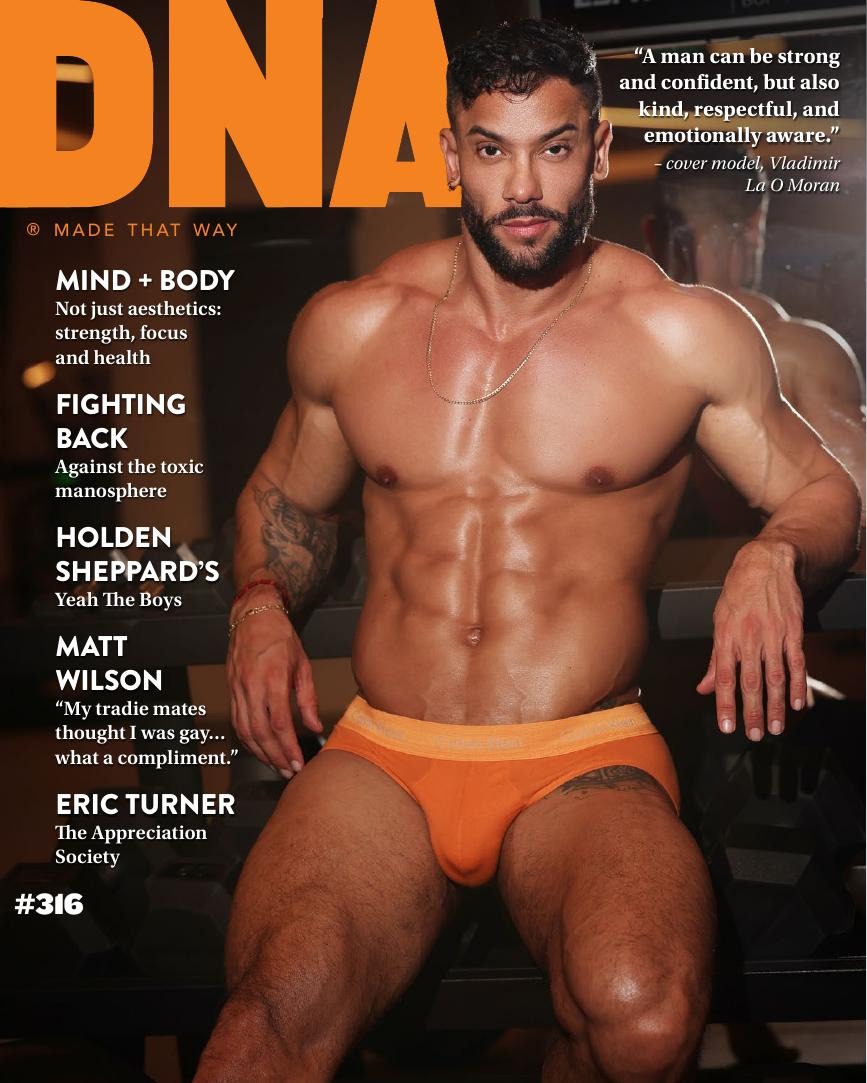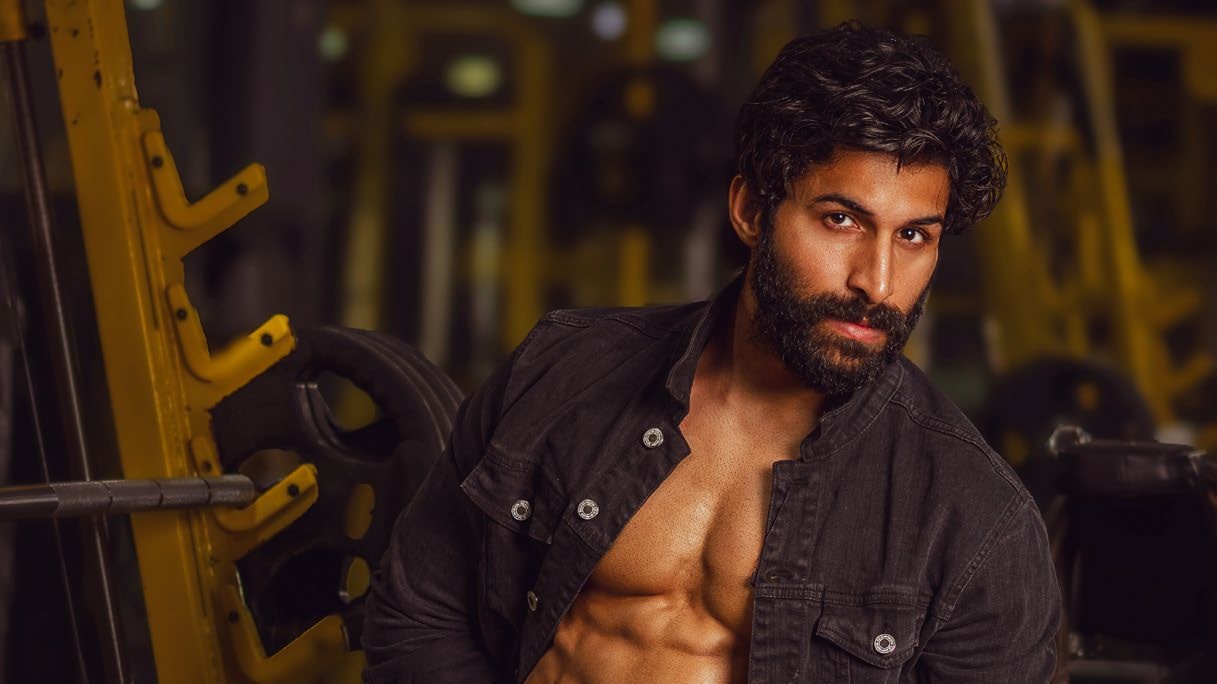

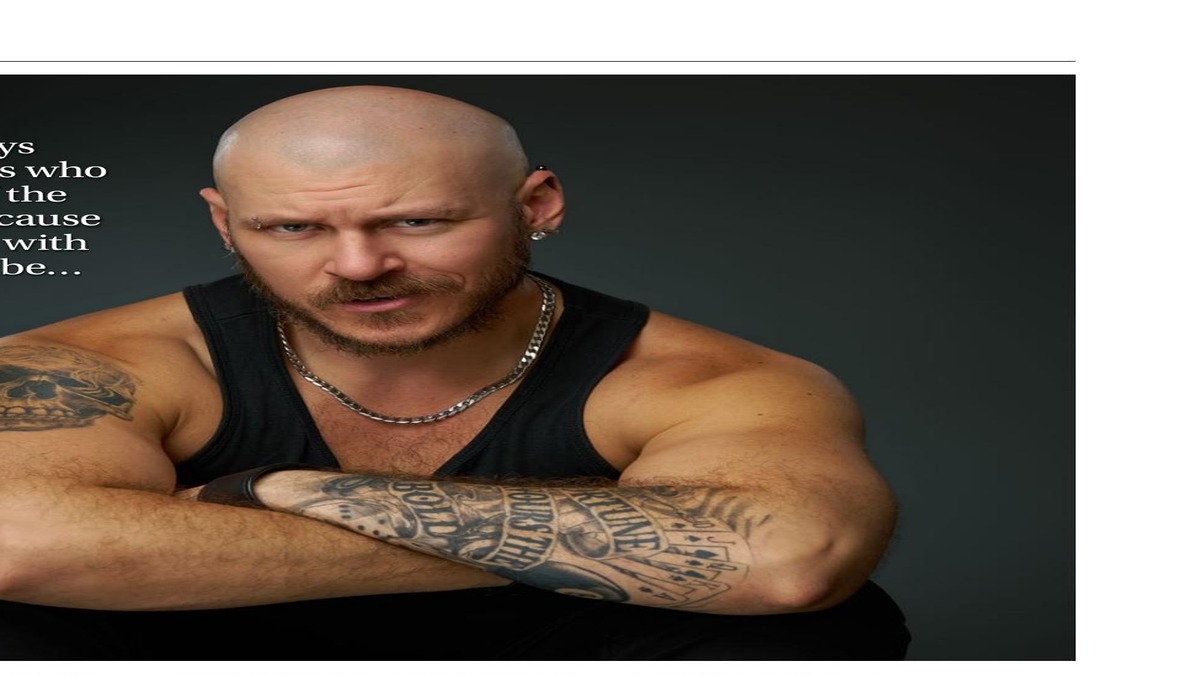
After the success of Invisible Boys, Holden Sheppard is back with its sequel, Yeah The Boys. The boys have escaped their oppressive regional town, but has moving to the capital resolved their issues or exacerbated them? Coming out in professional sport, being the “right kind of faggot”, and embracing masculinity — Sheppard’s themes are as timely as ever. More importantly, when can we expect the streaming adaptation?
Interview Matt Myers Photography Mark Flower
DNA: Congratulations on the release of Yeah The Boys. How did it feel to complete the sequel to Invisible Boys?
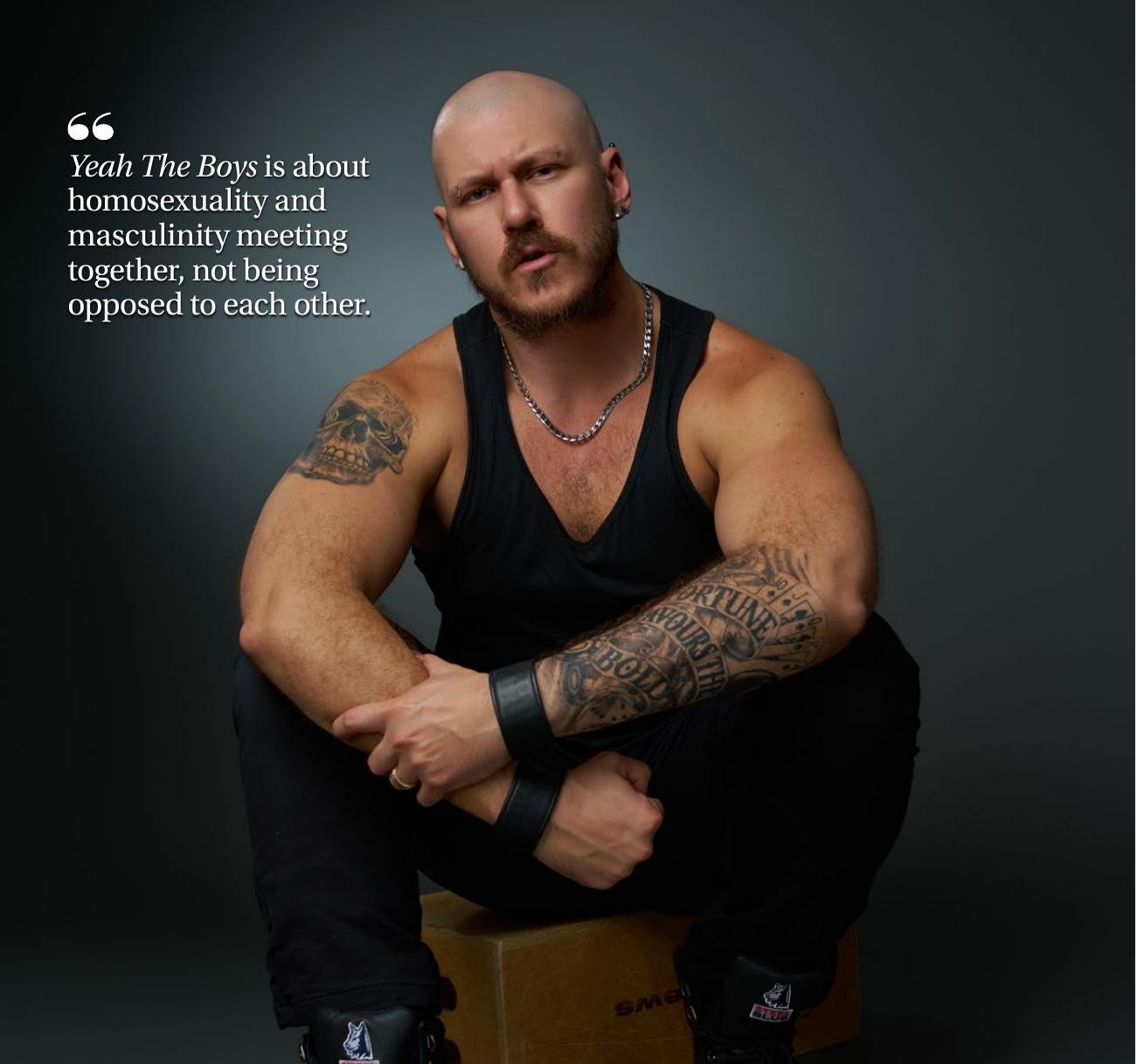
Holden Sheppard: I felt a great sense of personal and professional satisfaction. I’ve been wanting to write this book for 15 years. Back in university, I wrote a novella, Poster Boy, about a gay footy player for my thesis, and I planned to write a book on the same theme one day. Yeah The Boys is about homosexuality and masculinity meeting together, and not being set up as opposed to each other.
There are a lot of guys out there who are blokey and very happy with their sexuality and being gay. Those two things can coexist within one person, and I wanted to demonstrate that.
The story picks up seven years after Invisible Boys. What’s it like returning to characters who are so close to you?
It always feels a bit exciting and exhilarating to create characters, knowing they are drawn from my own life, especially Zeke, Charlie and Hammer. They represent three parts of myself. In Invisible Boys, they were the teenage parts of me, and in Yeah The Boys, they are about the things I went through in my twenties.
I moved from a country town to the big smoke, and after a few years, the novelty wore off. I realised it didn’t fix my problems. I still had mental health issues, was addicted and lonely. It’s a very honest reflection on outgrowing your teenage self but not having quite worked out your place in the world, and that’s where Zeke, Charlie and Hammer are. This is me being honest about being gay in my twenties. I wanted to show how messy it can be, but also fun.
There are also crossovers with characters from your other novels, King Of Dirt and The Brink. Was that a deliberate decision, or did the story call out for them?
Back when I was writing The Brink, I thought it would be nice to show that my works are all set in the same universe. I had a line from Mason referencing Matt from Invisible Boys, but realised he couldn’t have known him, so I scrapped it. But I still liked the concept.
When I planned Yeah The Boys, I wanted a gay footy team for Zeke’s storyline. I’d already created gay footy guys like Mason, Jack, Brick and also Tommo from Poster Boy, so I chucked them all together. I used to play for a gay footy team called The Perth Hornets, and I wanted to reflect the camaraderie of male bonding.
A huge part of the story involves Hammer playing professional AFL for the West Coast Eagles while still closeted. How do you feel about the spotlight falling on this topic, with players like Mitch Brown and Leigh Ryswyk coming out?
Yeah, the timing is wild. The story is set in 2025, and there’s a scene between Hammer and the AFL that takes place the day after Mitch Brown came out. I wrote this over 2023-2024, so it’s weird. Did I predict this? [Laughs]
In fact, while I was writing it, I wondered if everyone had moved on from this stuff, because we now have same-sex marriage. I thought, “Would gay guys in sports be relevant?” But in 2024, a lot of homophobic slurs were being thrown around in the AFL. So, as well as my story, it was happening in real time. Now we have a bisexual and a gay past player who have come out, and the timing is cool. Everyone’s talking about it!
And Hammer is quite a unique character.
Yeah, I didn’t want Hammer to fit the mould. He’s the type who wants to do things his way, which is important because I had another version where he becomes a poster boy, taking on a role-model stance. That’s a great thing for the guys who want to do that, but it wasn’t true to Hammer’s character.
You also tackle cancel culture, inclusion, and wokeness. In fact, Charlie refers to our community turning its pitchforks on each other. What’s the message behind that storyline?
I wanted to show that our community has a very strong history of fighting for our rights and existence. We’ve had to fight for safety, survival, and to be taken seriously. A lot of us are in fight-or-flight mode every day, and with the rise of social media, we can get locked into an angry state and attack our own.
Our community can sometimes hurt each other so badly, and some gay organisations attack themselves, rather than the homophobes or transphobes. I find that very upsetting to watch. Yeah The Boys has characters like Curtis and Ahmed who have been proud gay advocates for decades, supporting everyone under a huge, inclusive umbrella. I wanted to show how important those activists are to our history and how we need more solidarity.
A lot of us are in fight-or-flight mode every day, and we can get locked into an angry state.
The LGBTQIA+ community has accumulated a lot of labels. One of the objects of the book seems to be reclaiming masculinity as an acceptable identity.
Yes, and it was important for me to do that. I wanted to show that a lot of gay and bi men are homosocial. We like hanging out with other men, gay, bi or straight. We like those environments and feel at home in masculine spaces. So, it was a very conscious reclamation of masculine identity. Just because we’re attracted to men doesn’t mean we don’t like being men. We love being men!
Your books certainly resonate with many masculine men.
If there’s something I’ve learned over the last eight years in the public eye, it’s that my work reaches guys on the fringes who don’t take part in the gay scene because they identify with a “blokier” vibe. A lot of us exist, and we’re not throwing shade at any other version of gayness, because there’s no one way to be gay, but Yeah The Boys is about being proud to be who we are. The character Curtis is a nod to the gay men of the ’70s and ’80s who fought for today’s rights.
How did you develop him?
He came to me fully formed. He existed in my head, and I had to write him in. I wanted to represent gay men in San Francisco’s Castro in the pre-AIDS era of liberation, sexual revolution, feminism, and gay rights, all of which were vital to our community. It gave us so much, and those people are now aging out of those spaces.
I worry about their legacy and whether we have the same strength to stand up so fiercely. Maybe we feel we don’t need to because we now have so many rights. But I think it’s important that we remember we do have to fight for ourselves unapologetically, without bowing down to anyone. Curtis is my way of honouring that generation.
DNA even gets a mention!
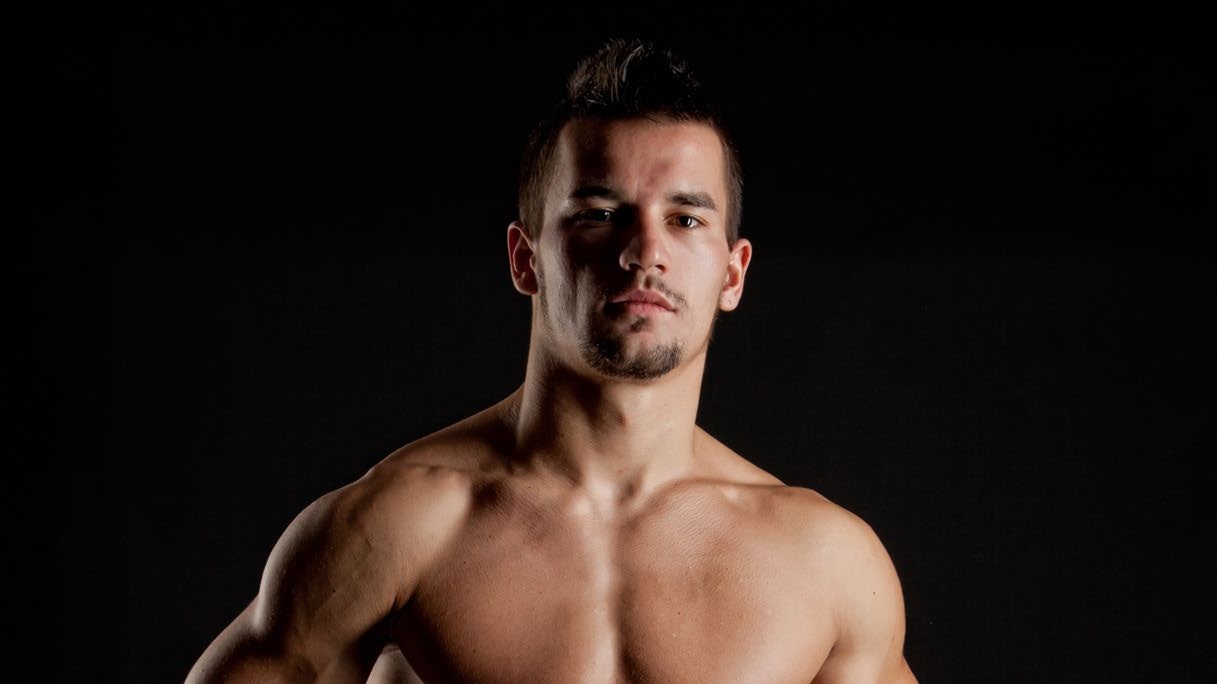
Yes! The character Ahmed is a male model in his mid-forties and was once a DNA cover boy! It felt true to life for a gay physique model in Australia to appear in DNA, and it gave me a chance to give you guys a shoutout.
DNA was important to me long before I was a gay author. When I was a horny 19-year-old, I used to furtively buy copies from newsagents. The hot muscle men drove me wild! [Laughs]. Years later, DNA published my first ever article as a freelance journalist!
What was your favourite sex scene to write?
There’s a cruisy hook-up in an office toilet, which so many of us have done in our seedy younger years. It involves a hot fingering scene, which I quite enjoyed writing, and I think people will enjoy reading.
The other is a big muscle-worship scene where I wanted to proudly talk about big, oiled-up, flexing muscles, with the guy quite dominant as they drill each other. I loved writing the sex scenes in the saunas and dark rooms, too. It’s such a part of my journey as a gay man!
With so many colourful new characters, this story feels ready for a TV adaptation. Are there any plans?
I sure hope so! I think Yeah The Boys would make an amazing TV series to follow Invisible Boys. It’s too early to predict, but we’ve already had interest from multiple production companies in optioning the rights. This was before the book was released, which is a great sign. If we do get greenlit, I’d love the Invisible Boys cast to come back, too.
And those crossover characters could potentially anchor their own series?
Yes, I’m very excited that I’ve Trojan Horse’d my other characters into the story, for exactly that reason. If Yeah The Boys is made into a series, we’ll have Jack and Brick (from King Of Dirt), Mason and Brayden (from The Brink) all cast, which means they’d be set as actors for other productions.
I’d especially like to see Jack Brollo, as he’s such a popular character with readers. Many feel connected to this big, tough footballer-cum-fuckbuddy, and it would be cool to see him on screen. But if these series come through, I’d have the same proviso. They must be filmed in Western Australia and represent the masculine identities of these footy guys, truckers and labourers. It must also be just as sexy and gritty as the book. No fluffiness! It’s about dirty, blokey, gay sex!
How would you feel about a role in the production? We’d certainly expect a walk-on cameo from you!
[Laughs]. I’ll put this out there, my acting experience is quite profound. I played Mr Brownlow in my high school production of Oliver! I’d certainly love a featured extra one-line role, but I think an actual character would risk breaking the fourth wall.
In both novels, Hammer is a closeted, arrogant, sports-obsessed, self-loathing bully with a blond mullet. How did it feel to see him reinvented as a softer Indigenous character in the Invisible Boys series?
I loved the production team’s decision, and Zach Blampied played Hammer perfectly. It was not only great that he became a First Nations character, but there were family tensions that he didn’t have in the book. It brought depth and a lot more vulnerability that the audience cared about. People could see the prejudices he was facing and the bullshit he went through at home. With so much pressure, it was all bound to come out in some form.
Which authors inspire you?
My touchstones are Timothy Conigrave, who wrote Holding The Man, and Christos Tsiolkas, the author of Loaded. I was lucky enough to meet Christos, who was very kind.
I also read Yellowface by RF Kuang while I was outlining Yeah The Boys and was utterly inspired. I love its satire of the publishing world and the performative wokeness. She skewered it, and I wanted to speak up just as boldly about what it’s like to be in the gay space, and all the performative bullshit that goes on there. A lot of that filtered into Charlie’s new storyline.
The other was The Velvet Rage, a non-fiction book by Alan Downs, about how gay men are often full of unexpressed anger. We can have fake-happy personas, yet beneath the surface is an unprocessed rage. As a gay, angry man, I wanted Yeah The Boys to reflect that.
In Invisible Boys, Zeke was the soft one we all loved, and I wanted to show his journey from having repressed his anger. He’d zone out with a vodka, have multiple wanks, eat some junk food, then go to the sauna and fuck. That was his way of coping, but I wanted to show him unravelling and connecting with his feelings. The first two pages of the story state how we’re universally expected to be the “right kind of faggot” for everyone else, and Zeke’s had enough of that.
Do you have a new writing project underway?
When I first signed with an agent back in 2017, I laid out my four-book plan for Invisible Boys, The Brink, King Of Dirt and Yeah The Boys. I’ve completed what I set out to do and feel satisfied and proud, so I’m now planning my next chapter.
I have two new books fully outlined. One’s a mystery and the other a thriller. Then there’s another contemporary gay fiction. It’s a case of which one to do first.
How’s life with your husband, Rafael?
Great! We’ve been together for 18 years, and I feel very lucky. I think of us as two lost boys who found each other. We met at uni in Creative Writing class, and we’ve always been each other’s first readers of our work. He writes amazing stuff, and I can’t wait for his first book to be published.
He keeps me alive and sane. He appeared in my short fiction story for Spinning Around: The Kylie Playlist book as the French student Frederick. He said I “Dave Coulier’d” him, referring to Alanis Morissette’s song You Oughta Know. But that’s what artists do!
And who’s your favourite musical artist?
Alanis! I came across her album Supposed Former Infatuation Junkie while at uni. When I moved to Perth, I was very depressed and suicidal, and her song Joining You made me think, “Dude! Keep living! Stay alive!”
I was very inspired by the way Alanis could talk about the darkness of mental health. She wrote about it with no shame, with total vulnerability. Every spectrum of emotion, good, bad and in between. That’s probably influenced my writing more than any book I’ve ever read.
Once I discovered I could say whatever I wanted and that there were no sacred cows, it completely changed my writing.
Those muscles are growing bigger by the minute. Tell us about your gym routine.
[Laughs] The gym is now a massive fucking part of my life. I’m an award-winning author, but a non-award-winning bodybuilder. I’m very good at lifting weights, but I’m not good at the nutrition part. I go to the gym six times a week and am very committed, but when I get home, I’m thinking of pizza for dinner.
As a kid, I dreamed of being an author and feel content with what’s happened, but my subsequent dream is to take bodybuilding seriously. Currently, there’s no proof that my abs exist! My new goal is to continue writing while also shredding enough to become a bodybuilder! Hey, I might even make the cover of DNA!
Yeah The Boys is available from April 28. For more, including Holden’s book tour: holdensheppard.com
Follow Holden on Instagram @holdensheppard and TikTok @holdensheppardauthor
Photography: Mark Flower