

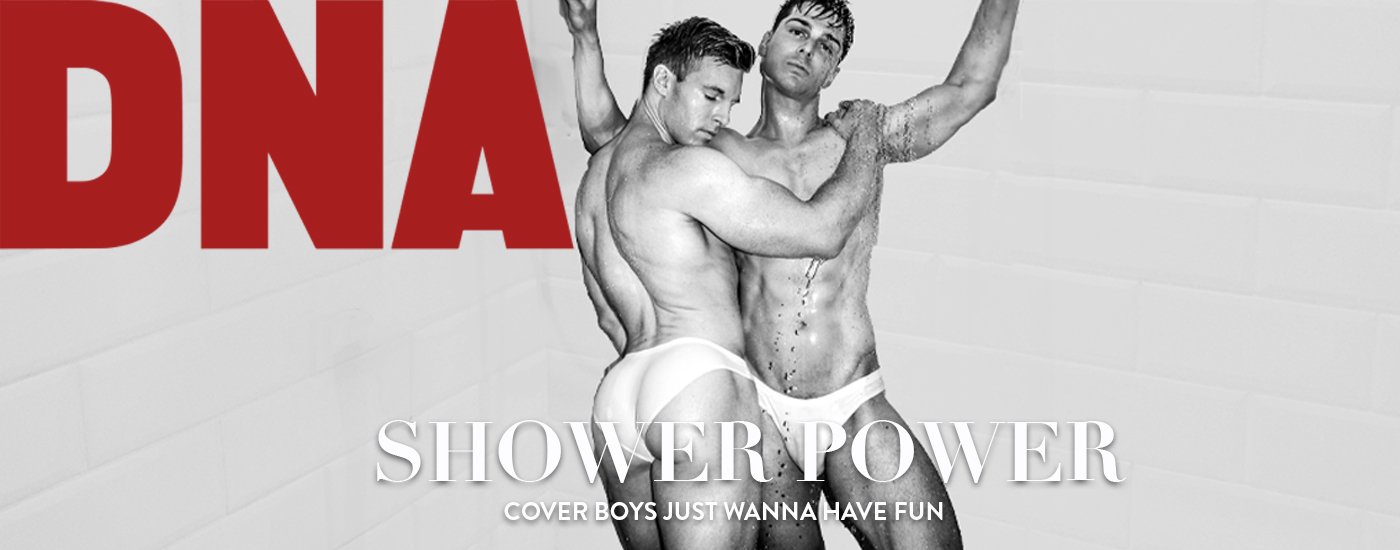
ISSUE: DNA #290 | BUY
Lately, I’ve been having very mixed feelings about social media apps. They’re great for staying in touch with friends. But on the other hand, they can be annoying and limited, each with their own idiosyncratic shortcomings.
When it first launched, Facebook was revolutionary. It quickly became a vibrant platform for conversations with friends and acquaintances and a fantastic tool for reconnecting with people who had slipped out of your life. Sure, we all got into the odd heated argument with complete strangers about things that really weren’t that important in the end, but the positives outweighed the negatives. Then Facebook betrayed its loyal users by allowing the spread of fake news, fake celebrity endorsements, and censoring minority groups like the LGBTQIA+ to adhere to their “community standards”. But their community standards did not protect children from online exploitation and failed, notoriously, to block the 17 minutes of the Christchurch massacre broadcast on Facebook Live.
I miss the Facebook of old. The Facebook that encouraged community and conversation, and I understand why people have abandoned the platform.


Then there’s Twitter, now X. It just seems like a lot of angry people shouting at the universe, shouting at people who disagreed with them, shaming and exploiting, and flagrantly self-promoting. That X is mainly populated by politicians and porn stars is testament to this. Twitter had the decency to kick Donald Trump off the platform because of the “risk of incitement to violence”. But he’s now back, along with all the other fake news peddlers and political extremists poisoning the well of public discourse.
Instagram is the app I use the most because it’s where many photographers and models promote their work, and it’s perfectly designed for this. But don’t spend too long on Instagram. The images are so heavily filtered and edited that the narcissism is off the charts. It can give you a very unrealistic view of the world. I have stopped updating my Instagram account. It feels like a chore, and the sense of validation that comes with likes and comments makes me feel emotionally needy, which I am not naturally.


So I was interested to see the latest HILDA report showing that the people with the highest rates of loneliness in Australia are aged 15 to 24: the generation who have grown up knowing social media all their lives.
Twenty years ago, the greatest proportion of lonely people in Australia were aged 65 and older. According to the report, older Australians now have the lowest rates of loneliness in the country.
Australians aged 15 to 24 have experienced a steady rise in loneliness since 2008 with 24.8 per cent of young people now classified as lonely.
The authors of the study have said that younger people don’t have the social skills of their parents or grandparents, and their friends are most likely online, which does not create the same bonding connection as interacting with someone face to face.
“Social media can also make you feel very alone – you scroll through people’s social media accounts and everyone is at a party or seems to be having a great life, and there you are, at home and alone,” says Dr Ferdi Botha, a HILDA researcher from the University Of Melbourne.
In a separate study, a Gallop survey from the UK, 50 per cent of people ages 11 to 16 believe news that is reported on social media, regardless of the source. This generation has grown up with social media, they have no distrust of it, they perceive it as being their friend and don’t believe it would want to deceive or harm them.


So, 20 years down the track, has the social media experiment/phenomena failed? It has made people less social and less connected and more socially isolated. It has given us access to more information, yes, but more incorrect information also. What can we do? It would be unwise to disconnect completely. But, like conventional media, we must engage critically and remember to switch off regularly, go outside, hop on a bus, and meet friends in real time. Maybe at a gay bar! Or join a gay sports club or games group.
Or read DNA! There are people, places, shows, books and music waiting to be discovered. I hope you enjoy this issue and I look forward to your feedback. Email: burnttoast@DNAmagazine.com.au
Andrew Creagh, Founding Editor
Click here for DNA #290 in Print or Digital.
________________________________________________________________________





