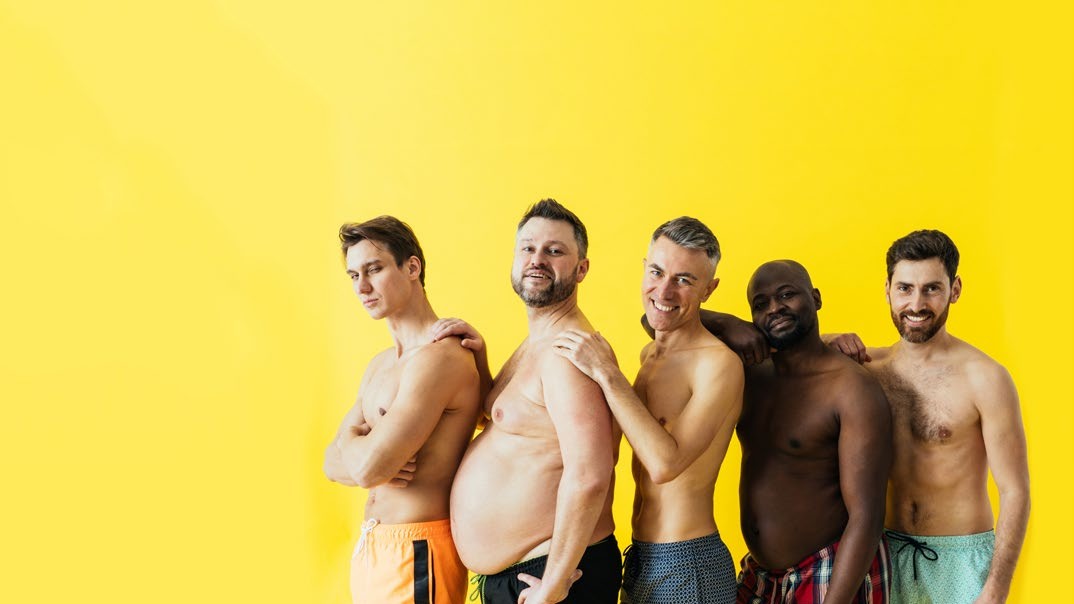

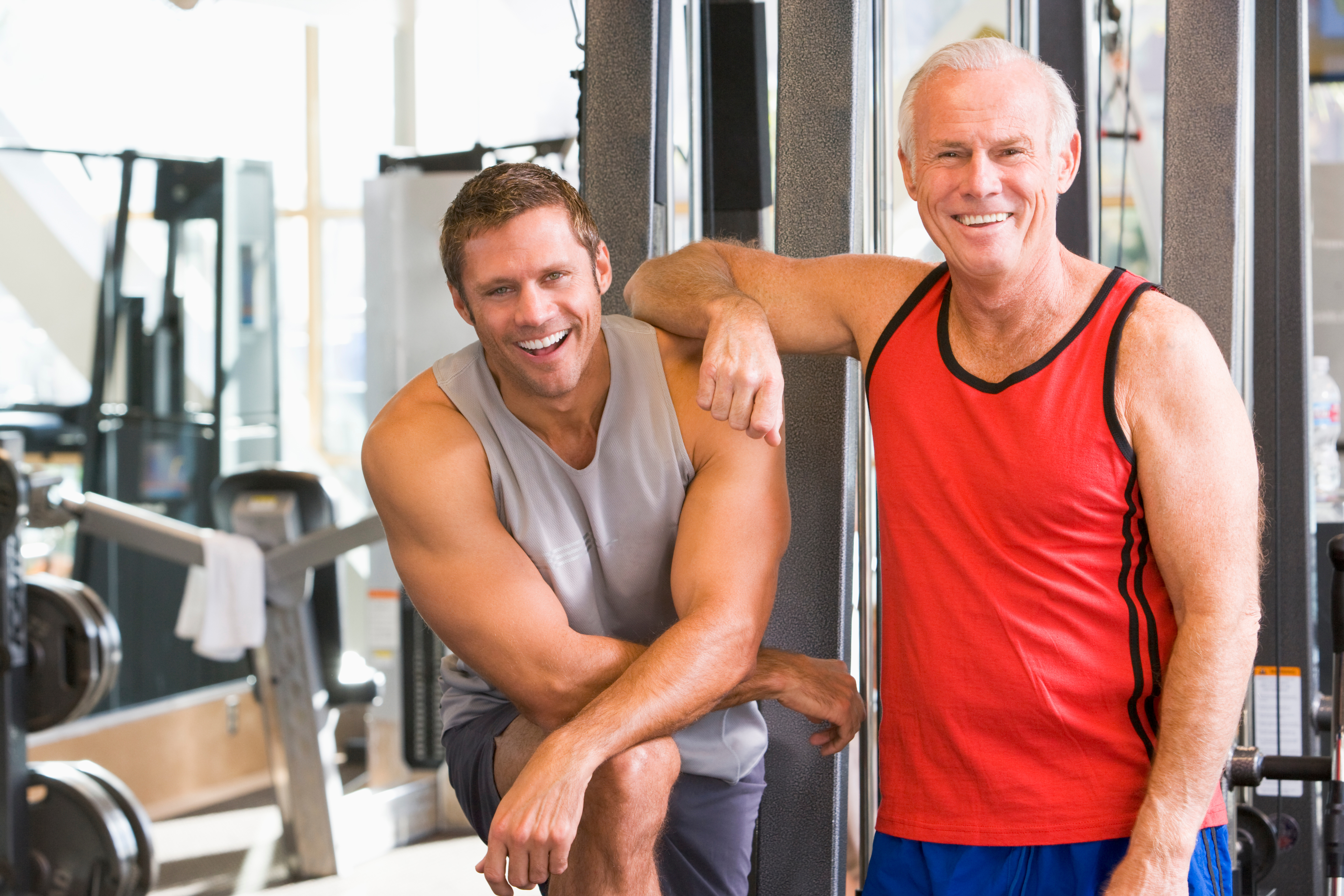
We all love being in great shape, but are we exercising appropriately for our age? Personal trainer Arron Ryan explains the mysteries of the changing male body and offers the best strategy for staying on top.
As we develop from childhood through to retirement age, there’s constant change in the functions of the body. The need for high-carb diets decreases as we exit puberty, muscle development is easier in our teens and early 20s, metabolism slows down as we pass our 30s and, as we grow older, the need for more post-exercise rest increases substantially.
Throughout my years training clients and athletes, I’ve found that the fitter someone is, the more they want to achieve, leading me to believe that the longer you’ve been exercising and the fitter you are, the younger in mind and body you will be.
The fitter someone is, the more they want to achieve — and the younger in mind and body they will be.
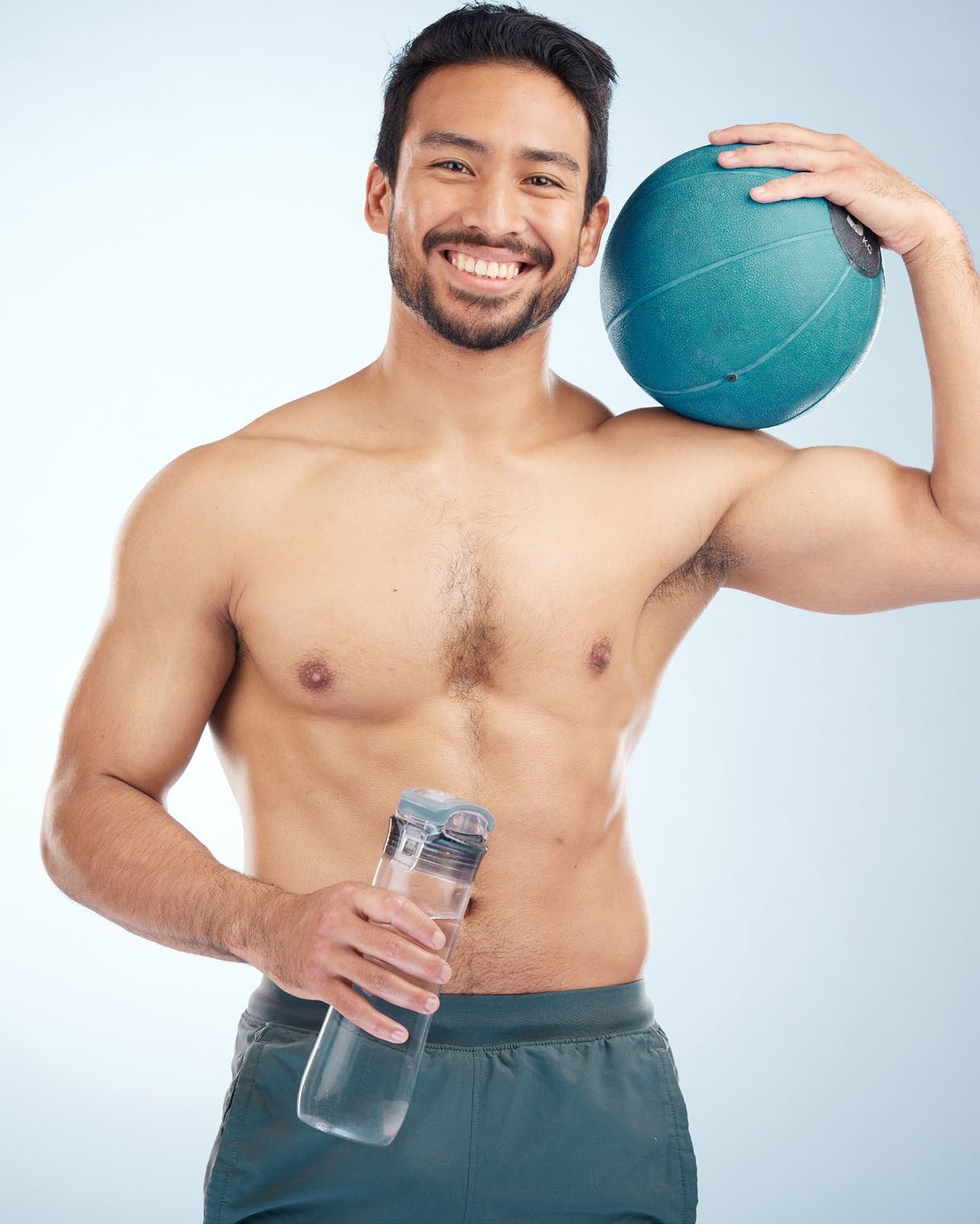
16 to 25
Your Strengths
You have an influential, readily developing body that accepts change and can recover quickly. Your body is capable of good muscle development and generating the hormones required to enhance physical capacity. An active lifestyle that includes resistance training and cardio will set the stage for future fitness.
Potential Weaknesses
An overzealous approach to training and poor technique can leave lasting injuries, especially in these early years. Excessive neurological loading (overloading your system) can also have an adverse effect on development.
Dietary Needs
Protein from lean red meats, fish and chicken (up to 2.5 grams per lean muscle kilogram) combined with a high carbohydrate intake from fresh fruits and vegetables when training.
Fitness Goals
Muscle development for function and aesthetics. Short-distance cardiovascular training to build a strong heart and lungs.
Activities
Weight training for hypertrophy/bodybuilding three to four times per week combined with two to three sessions of running, sprinting, rowing or cycling. CrossFit offers a combination of Olympic lifting, cardio training and bodyweight exercises such as gymnastics (which is great for variation). Team sports are a great way of adding to your training regime and may provide the bulk of cardio workouts. Alternatively, a track or swim squad will keep you focused and competitive.
General Health
Strong and lean is the key to good, unhindered fitness gains. An ideal body fat percentage (below 13%) will keep the muscle definition on display and ensure you aren’t putting yourself at risk of developing preventable diseases later in life.
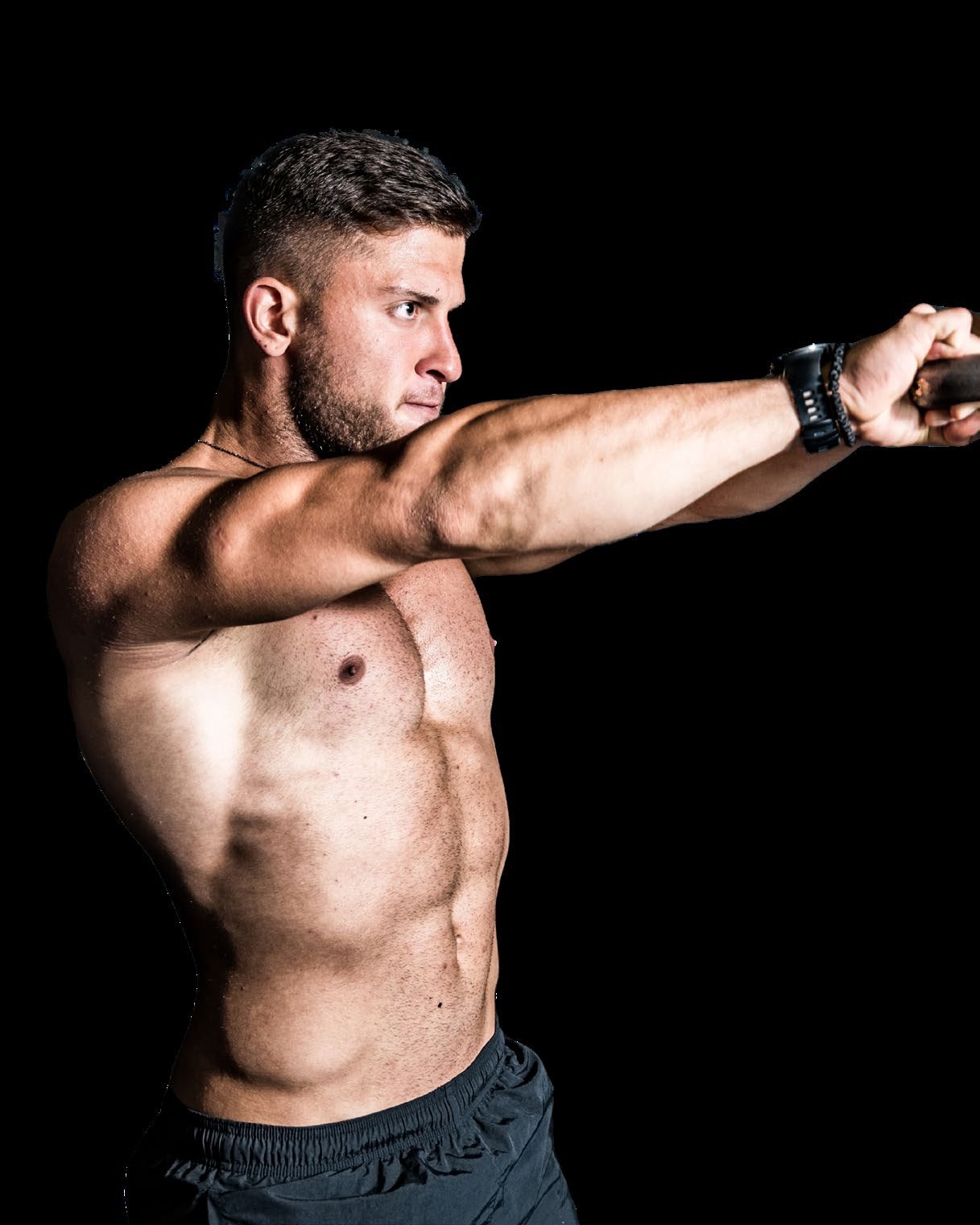
25 to 30
Your Strengths
This is the peak of physical maturity — your prime years of physical fitness. At this age, you should be able to lift your body weight multiple times, run down a cheetah and recover quickly enough to do it again.
Potential Weaknesses
Society is always tempting you away from the gym and into high trans-fat processed foods, copious amounts of alcohol and all those carbs. Other potential weaknesses could be marathons or other extreme distance events because the muscular endurance of your body has not quite yet peaked.
Dietary Needs
Similar to that of the younger lads, keep it clean and restrict the carbohydrate intake to low-starch vegetables and some fruits. Avoid processed foods and ensure you are eating for your energy expenditure. A general rule of 1.4 to 2.4 grams of protein per kilogram of lean muscle mass will have you maintaining depleted aminos and keep you growing strong.
Fitness Goals
Continued application of resistance training coupled with more aggressive cardio training and plyometric exercises. If you can run 5km in less than 25 minutes, deadlift twice your body weight, and bench press your body weight for eight to 10 reps, you are in great shape.
Activities
CrossFit, weight training/bodybuilding, powerlifting and strongman activities. Play team sports such as rugby, soccer or water polo. Get involved in fitness competitions and game days to keep you on track with your training.
General Health
The ideal body fat percentage for this age range is less than 14.5%. At this age, you are more prone to binge drinking and allowing diet and nutrition to slip by the wayside. The longer you can maintain your peak physical conditioning, the better off you will be in the future. You will be much less likely to develop chronic problems such as diabetes and cardiovascular disease later in life.
30 to 35
Your Strengths
Increased cardio output and improvements to muscular endurance can occur as we age past our twenties. For people who have been active in their earlier years, it is easier to maintain a naturally lean physique with good muscle tone. This is an age where physical maturity and mental maturity mould together to create a smarter and more robust athlete.
Potential Weaknesses
Injury by overtraining — trying to be like you were five years ago. Potential injury by not concentrating on important things like ancillary work and the flexibility/mobility of joints and muscles. There is also the danger of injury due to cramming an hour’s workout into 45 minutes because you have too many other competing priorities.
Dietary Needs
At this age, our carbohydrate needs are beginning to change. Hormone levels are changing and there becomes less need to carry larger amounts of muscle mass. Protein remains an important part of our diet but may be reduced in quantity to coincide with the changes to lean muscle mass (0.8 to 1.4 grams per kilogram of lean muscle). Micronutrients are vital to support recovery and, due to changes in metabolism and appetite, may not be obtained in sufficient quantities through diet alone.
Fitness Goals
Maintain good lean muscle mass and overall body conditioning. Be able to run 10km in under 60 minutes and lift between 1.5 to two times your own body weight for five or more reps.
Activities
Resistance training, weights, kettlebells, CrossFit several times a week with longer distance cardio activities such as middle distance running, cycling, rowing/kayaking or swimming. Sports such as triathlons and biathlons along with rugby and soccer are all favourable as you have a mental edge over younger competitors.
General Health
Contact sports will increase the likelihood of injury and recovery time may be slower than in your twenties. An ideal body fat percentage would be in the range of 12 to 16% for an athletic person. Allow greater rest periods between sessions to improve your results and maintain that great 30-something physique.
This is an age where physical maturity and mental maturity come together to create a smarter, more robust athlete.

35 to 45
Your Strengths
At this age, men are really hitting their prime in muscular endurance. Cardio output is at a high level and life has taught you all the lessons of success. Hopefully, you have listened and applied them.
Potential Weaknesses
A reduced need for large muscle mass will see some strength fade and become more susceptible to injury through impact and overtraining. Joint stiffness and shortening of muscles is more common where people do not continue to work on their flexibility and mobility.
Dietary Needs
Less muscle mass means less need for a high-protein diet. Couple this with a slower metabolism and you have a recipe for weight gain. Food consumption needs to be monitored and coincide with exercise and activity levels. Supplements may be required to maintain healthy bones and body.
Fitness Goals
Each week, fit in two to three weight sessions to maintain lean muscle mass and another two to three cardio sessions (varying from impact to non-impact) where the heart rate is elevated to 85% of its maximum. Continue to work on mobility of the joints and stretch the muscles to avoid injury and lingering pain after exercise.
Activities
Social and competitive sports are encouraged to keep up motivation and interest in training. In addition, resistance training classes, running groups, adult swim squads and general gym work should keep you in shape.
General Health
An ideal body fat percentage of 15 to 20% shows that you are in good health and will reduce your likelihood of developing chronic inflammatory diseases. Mix up your training so that there is variation in impact activities such as running, and non-impact activities such as swimming.
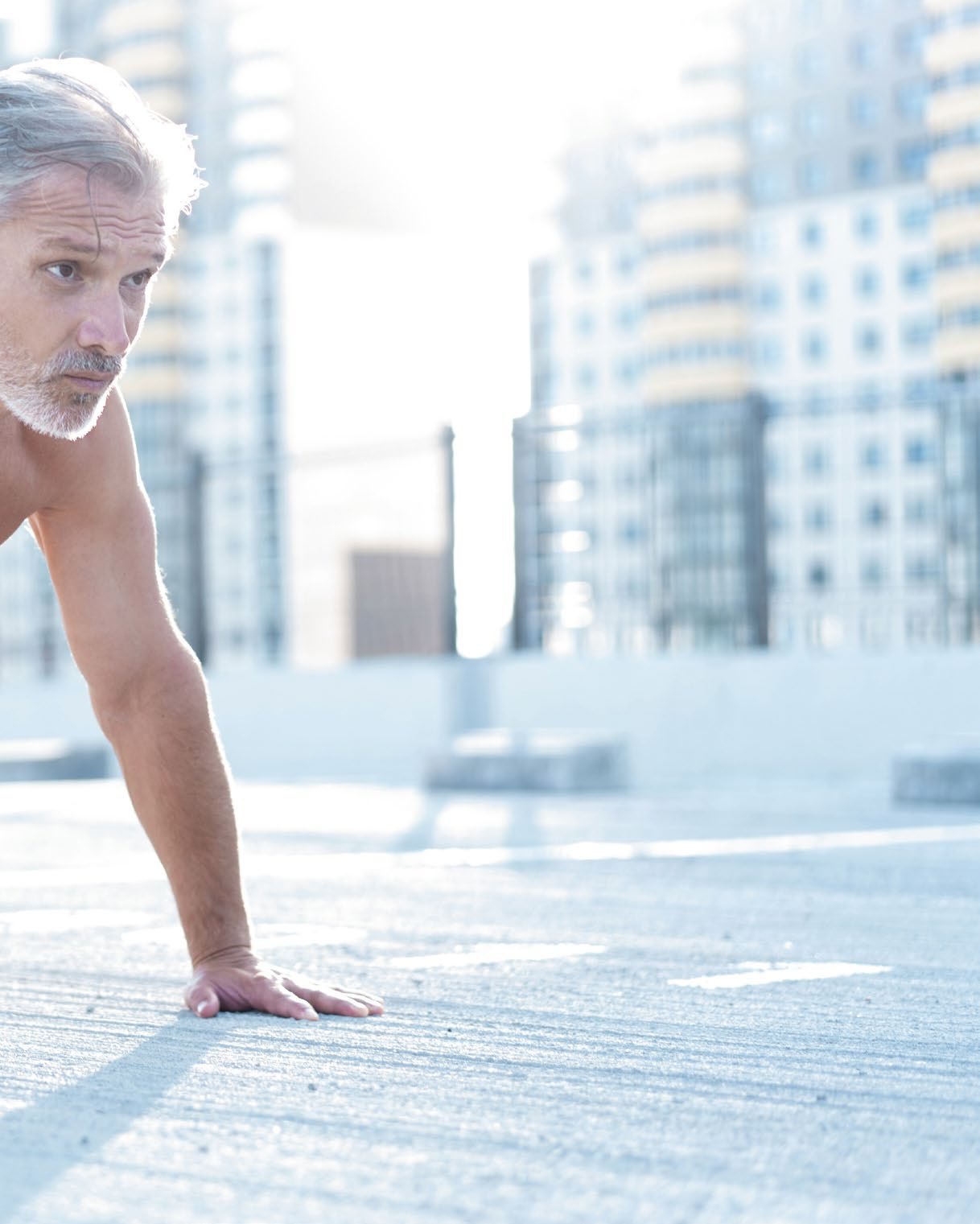
45 to 55
Your Strengths
You now know your body. You understand its limitations and what is needed to keep you in the game. If you have always been fit, the likelihood of disease is substantially reduced and by focusing on mobility and flexibility you have also reduced the incidence of injury.
Potential Weaknesses
Mindset versus body. Yeah, sometimes you just want to do it like you were 25 and, in some cases, this isn’t going to end well. Additionally, impact and overuse may bring on the onset of arthritis and can cause joint pain and isolated swelling post-exercise.
Dietary Needs
Fruits, vegetables, lean proteins and possibly some supplements such as vitamin D for bone and joint health. Good fats from nuts, plus some fruits and dairy will help with recovery and contribute to a healthy immune system. They also contain lots of micronutrients for optimal functioning.
Fitness Goals
Each week, several sessions of varying intensity and duration. Resistance should be focused on lower weight but higher volume to reduce the load on joints. Functional training that focuses on a range of movements and utilising core skeletal muscles is essential in maintaining mobility. Cardio training (either impact or non-impact) should be performed at no more than 85% of your maximum heart rate, and for no more than 25 minutes. Longer duration of exercise is fine but be aware of your body and reduce the intensity to suit your conditioning.
Activities
Lower-impact activities such as cycling, cross-training, kayaking and swimming should be incorporated while maintaining engagement with others through group sports like tennis, badminton and golf. Resistance training from pin-loaded machines and free weights incorporating functional movements such as squats, lunges, presses and deadlifts should be done at less than maximum loads to retain lean muscle mass and bone density. Alternatively, yoga and Pilates are excellent for improving core muscles and flexibility.
General Health
Ideal body fat percentage is between 18 and 23%. Regular health check-ups and consultations with personal trainers, dieticians or physiotherapists (when required) will enhance your ability to keep fit and alleviate degenerative illnesses.
55+
Your Strengths
Knowledge, wisdom and attitude combined with a victorious can-do spirit, topped by having more time to spend doing the things you enjoy most.
Potential Weaknesses
Injury, lessened coordination, reduction in muscle mass and degenerative concerns with the joints.
Dietary Needs
A well-rounded diet consisting of lean protein, fresh fruits, nuts, vegetables, seeds and any supplements recommended by a doctor or dietician. Glucosamine, vitamins B and D or multivitamins are common supplements for older men.
Fitness Goals
A goal in our mature life should be to do what feels good, to keep challenging our body using lightweight resistance training and to continue elevating the heart rate for periods of at least 20 minutes, at least three times a week.
Activities
Push weights, lift a wheelbarrow, walk, jog, swim, run or hike. Play a sport, train with mates and keep yourself active. Join adult group fitness sessions or paddle down the river. You’re more likely to take part in those activities you truly enjoy. Hire a personal trainer once a week. A trainer is a great accompaniment to an older adult’s exercise routine as they can address any areas of weakness that may cause issues down the road.
General Health
Ideal body fat percentages in older men are between 19 and 24 percent. It is acceptable to have a higher percentage, but the likelihood of heart disease, pre-diabetes and inflammatory diseases increases with the body fat. Keep lean and fit and you will live a long and active life.
Arron Ryan is an elite personal trainer and CrossFit instructor based in Brisbane, specialising in advanced strength and conditioning for athletic performance, weight loss and fitness, functional fitness and rehabilitation.
Photography: Adobe Stock.