
Australian Scientists Use Covid Vaccine Knowledge In HIV Breakthrough


Melbourne researchers have achieved something that seemed impossible just years ago. They’ve found a way to make HIV visible inside infected cells using the same mRNA technology that powered covid-19 vaccines.
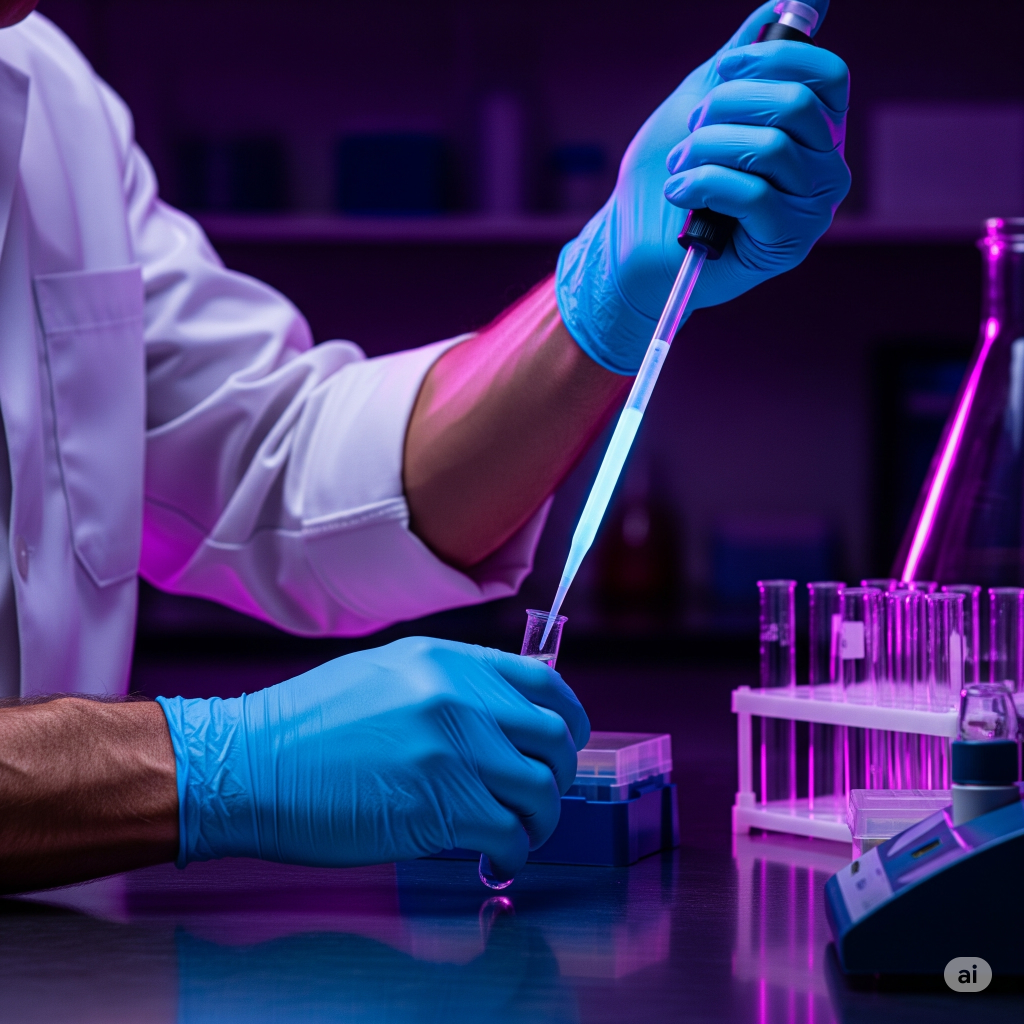
The Peter Doherty Institute for Infection and Immunity team wrapped HIV-detecting mRNA in specially designed lipid nanoparticles. These microscopic carriers deliver the detection system directly into white blood cells from HIV patients.
How the Detection System Works
The process sounds like science fiction but it’s straightforward. Scientists coat the mRNA in what researchers call “fat bubbles” – the same lipid nanoparticles that made covid vaccines possible.
Once inside infected cells, the mRNA attaches to HIV particles. This makes the typically invisible virus light up for researchers to see. HIV’s rapid mutation rate creates countless variant strains, making it notoriously difficult to target with traditional methods.
Dr Paula Cevaal, one of the lead researchers, couldn’t hide her excitement about the results. “We have never seen anything close to as good as what we are seeing, in terms of how well we are able to reveal this virus,” she said.
The team was so stunned by their initial success that they sent lab assistants back multiple times to verify the findings. “Since then, we’ve repeated it many, many, many more times,” Cevaal confirmed.
Why This Changes Everything for HIV Research
Traditional HIV detection methods struggle with the virus’ hiding tactics and constant mutations. This new approach works across multiple strains, potentially solving one of HIV research’s biggest challenges.
“We’re very hopeful that we are also able to see this type of response in an animal, and that we could eventually do this in humans,” Cevaal explained. “Our hope is that this new nanoparticle design could be a new pathway to an HIV cure.”
The breakthrough represents just the first step toward an actual cure. Researchers still need to determine how to eliminate the virus once they’ve found it. Options include modifying immune responses or introducing therapeutic medications.
Animal testing comes first, followed by human trials to prove both safety and effectiveness. This process typically takes years, but the detection breakthrough accelerates the timeline significantly.
Co-senior author Dr Michael Roche sees applications beyond HIV. The mRNA detection method could help treat other diseases, including cancer.
Global Race for HIV Solutions Intensifies
The Australian breakthrough joins other promising international efforts. Dr Anthony Fauci co-authored a 2021 study exploring mRNA technology for HIV vaccines.
“Despite nearly four decades of effort by the global research community, an effective vaccine to prevent HIV remains an elusive goal,” Fauci noted. “This experimental mRNA vaccine combines several features that may overcome shortcomings of other experimental HIV vaccines.”
Pharmaceutical giant Moderna, which pioneered covid mRNA vaccines, partners with the International AIDS Vaccine Initiative, the Bill & Melinda Gates Foundation, and Scripps Research on experimental HIV vaccines.
The Science Behind Detection and Treatment
HIV’s stealth capabilities have frustrated researchers for decades. The virus hides in immune system cells, mutates rapidly, and establishes dormant reservoirs throughout the body.
Current treatments suppress viral replication but can’t eliminate hidden infections. This new detection method could finally expose HIV’s hiding places, opening possibilities for targeted elimination strategies.
The lipid nanoparticle delivery system proved its worth during the covid pandemic. Now it’s showing promise against one of medicine’s most persistent challenges.
Will this Australian breakthrough lead to the first HIV cure? The research timeline suggests we’ll know within the next few years.

