
Aussie Gay Bushrangers Captain Moonlite And James Nesbitt Graves Considered For National Heritage

ISSUE: DNA #284 | BUY
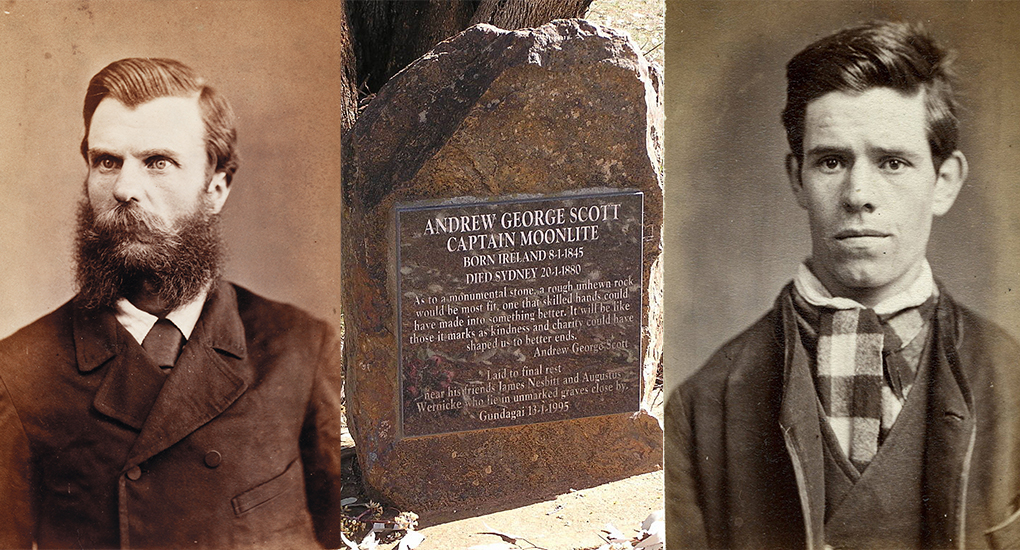
The graves of Captain Moonlite and James Nesbitt are being considered for inclusion on the New South Wales heritage register. The two men were infamous Australian bushrangers and their romantic relationship is widely acknowledged by archivists and historians.
Essentially, be gay and do crime
Beyond their notoriety as colonial-era criminals, their graves hold significance due to their publicly acknowledged same-sex relationship. Captain Moonlite, also known as Andrew Scott, led a gang of outlaws across Victoria and NSW in the late 1870s, engaging in bank robberies and gold theft.
James Nesbitt was close with Moonlite and was eventually killed during a confrontation with police. Following this event, the bushranger was said to have been apprehended and sentenced to death, too. Before his execution, Moonlite expressed deep affection for Nesbitt, revealing the nature of their relationship.
His letters provide insight into their romantic involvement, a rare occurrence in 19th-Century male relationships. Moonlite was hanged at Darlinghurst Gaol in 1880. His remains were relocated to Gundagai cemetery in 1995, fulfilling his wish to be buried with Nesbitt, who lies in a nearby unmarked grave.
Historian Aidan Phelan highlights the graves’ importance in understanding Australia’s past, while Robyn Parker, deputy chair of the heritage council, emphasises the counter-narrative they offer to historical norms of masculinity, relationships, and crime.
The heritage council is open to community submissions on the proposal until April 2024, aiming to acknowledge diverse stories from colonial Australia.
If the tale of Captain Moonlite and James Nesbitt interests you, DNA published an in-depth feature by Andrew M Potts, telling their story in DNA #284. Pick up a copy to discover more unearthed details here.
__________________________________________________________________




