
Malaysian Health Event Raided By Police Searching For A Gay Party

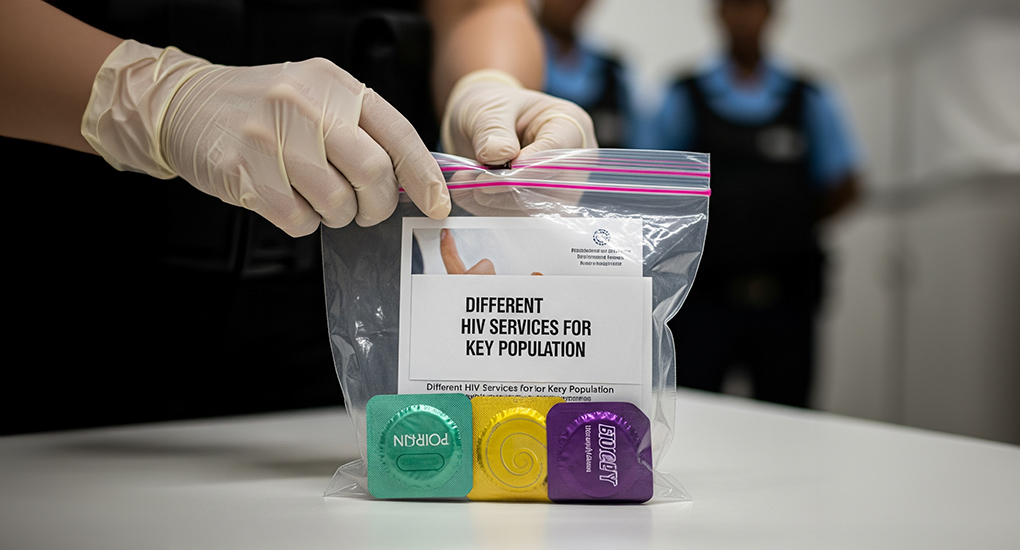
A late-night police raid on what was labelled a “gay party” in Kelantan, Malaysia, is now at the centre of a major dispute. The event was a government-supported HIV health seminar, prompting politicians to demand a full investigation into how authorities got it so wrong.
Police found condoms and HIV medication.
According to police statements, officers entered the gathering at 1 am, detaining twenty people and arresting three individuals. At a media conference, police noted that everyone present was fully clothed and acting “manly”. However, they defended the raid by citing the discovery of condoms and HIV prevention medication, which they claimed could be linked to illegal activity.
But it was a health outreach program.
The AIDS Council of Malaysia quickly clarified the situation. They confirmed the event was part of the Different HIV Services for Key Population (DHSKP) program, a health outreach initiative supported by the country’s own Health Ministry. These events are organised to provide education and testing services for HIV. The police raid and the subsequent description of the event have alarmed a coalition of human rights groups.
Officials are now picking sides…
The incident has created a political rift. Mohamed Fadzli bin Hassan, a deputy leader in the regional government, has called for an impartial investigation. “If investigations confirm that the police’s actions were justified and based on facts, stern measures should be taken against those involved,” he said in a statement, adding, “Conversely, if the NGOs’ and individuals’ claims are proven true, corrective steps must be taken.”
The Malaysia Health Department has tried to create distance, stating that while its staff were present earlier in the evening, they had left before the raid occurred.
The police commander, however, dismissed the criticism. Commander Mohd Yusoff told the New Straits Times, “Let them say what they want, but we the police have the evidence that led to the operation.”
This entire situation raises a serious question. When the possession of condoms and HIV prevention tools is treated as evidence of a potential crime, how can this vital public health work continue safely?

