6 Questions You’re Dying To Ask Your Doctor But Can’t!

You’re sitting on that crinkly paper-covered table in a flimsy gown, your doctor has their hand on the door handle, and you still haven’t asked the thing you actually came in for. Instead, you managed to discuss your slightly dry elbows for seven minutes and left with a prescription for moisturiser.
Gay men often have very specific health questions, ones that don’t always make it onto the “any other concerns?” part of the visit. So, here’s how to ask the questions you know you should be asking but are too embarrassed…
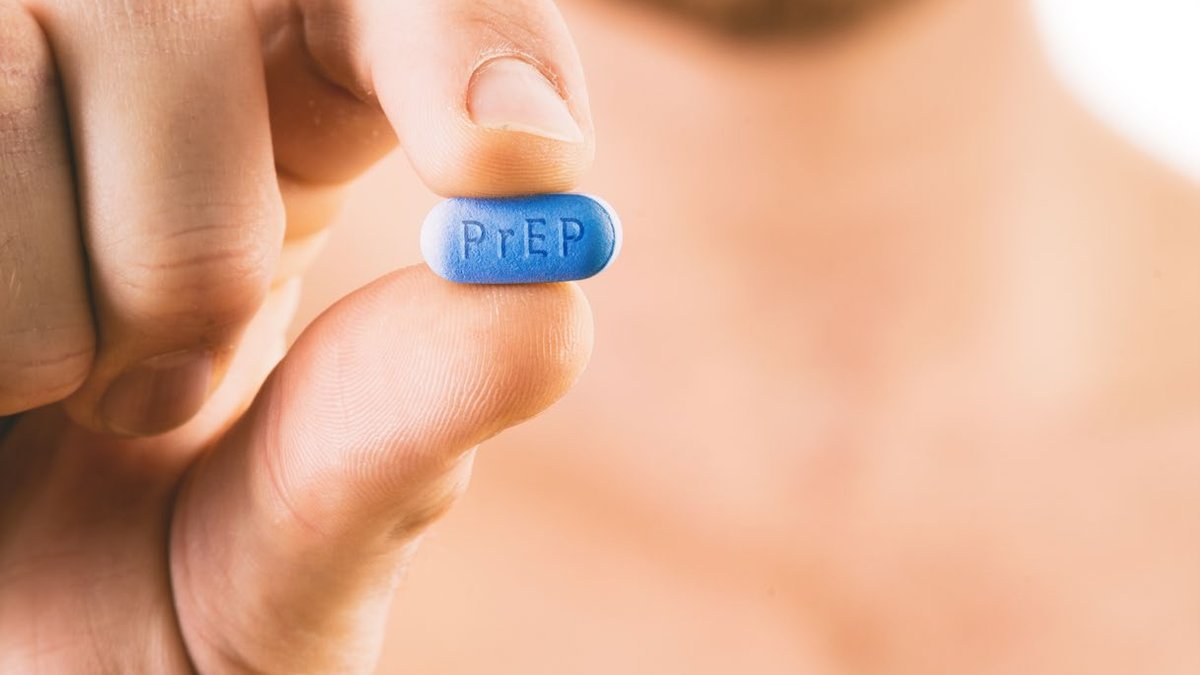
“Am I taking PrEP correctly for the way I have sex?”
This is a big one, and the answer genuinely depends on your sex life. Daily PrEP is the most common regimen and offers strong, consistent protection. But event-based dosing (also called 2-1-1) is an option for some people, involving a double dose two to 24 hours before sex, then one dose daily for two days after. The catch is that 2-1-1 is only well-studied for anal sex, not vaginal sex, and timing matters. Your doctor needs to know the specifics to give you the right advice — so be specific. They’ve heard it all before.
“How often should I be getting STI tests?”
The standard recommendation for sexually active gay and bisexual men is every three to six months, covering HIV, syphilis, gonorrhoea, chlamydia, and hepatitis. But “sexually active” means different things to different people. If you’re seeing multiple partners, the upper end of that range — every three months — is worth discussing. One thing many men don’t know: gonorrhoea and chlamydia can live in the throat and rectum without any symptoms at all, so a urine test alone isn’t enough. Ask for swabs. Plural.
“Am I douching right?”
Douching is incredibly common and barely discussed in clinical settings, which is frustrating given the potential for harm. Over-douching, using tap water with high pressure, or relying on commercial enemas too often can disrupt the rectal lining and the natural bacterial balance of your gut. That disruption can actually make you more susceptible to STIs, including HIV. A brief rinse with a small amount of plain water is generally considered lower-risk than deep or repeated douching. Ask your doctor what they’d actually recommend — and don’t be surprised if they seem relieved you brought it up first.
“Stuff is happening with my bum… can we check it out?”
Haemorrhoids, fissures, HPV-related anal warts, and even anal cancer are things gay men are statistically at higher risk for, particularly if you’re HIV-positive. Anal Pap smears and high-resolution anoscopy exist for a reason. If you’ve noticed anything unusual — bleeding, pain, lumps, itching that won’t quit — it’s worth raising. Bring it up before the “any other concerns?” moment, not after.
“What’s the deal with lube and condoms?”
Oil-based lubricants degrade latex condoms. That’s just chemistry. If you’re using condoms, you want water-based or silicone-based lube. If you’re on PrEP and not using condoms, silicone-based lube lasts longer and has no known downsides for most people — though it can damage silicone toys, so there’s your pub trivia for the week. Worth asking your doctor to confirm what works best for your specific situation.
“Can I ask you out sometime?”
David had been seeing Dr Nguyen for three years. He liked him. A lot. He was warm, he remembered things, and he had this way of tilting his head slightly when he was listening that David had spent a great deal of time thinking about.
So on his last visit, after getting a clean STI result and sorting out his PrEP script, David took a breath.
“I have one more question,” he said.
Dr Nguyen looked up from his notes.
“Would you… want to get a coffee sometime? Not about my health. Just coffee.”
There was a pause. A professional pause. The kind that says I am genuinely touched and also deeply aware of my ethical obligations.
“David,” said Dr Nguyen, with the world’s most carefully managed smile, “I think you’re wonderful. But I’m also your GP, which means this would be — at the very least — a conflict of interest.”
“Right,” said David.
“What I can do,” Dr Nguyen continued, clicking his pen, “is refer you to a colleague.”
David stared at him. “You want to refer me to a different doctor so you can ask me out?”
Another pause. A slightly longer one.
“…I didn’t say that.”
“You didn’t not say that.”
The moral of the story: your doctor wants you to be open and honest with them. About your sexual health, your habits, your concerns. Maybe just not quite that open.