What The Devastating Supreme Court Ruling On Conversion Therapy Means For LGBTQIA+ Youth

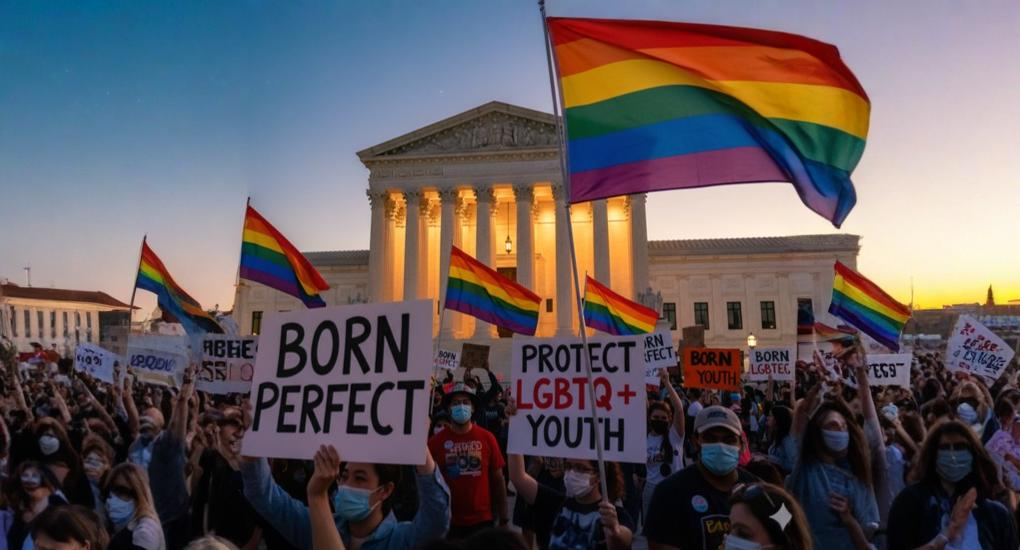
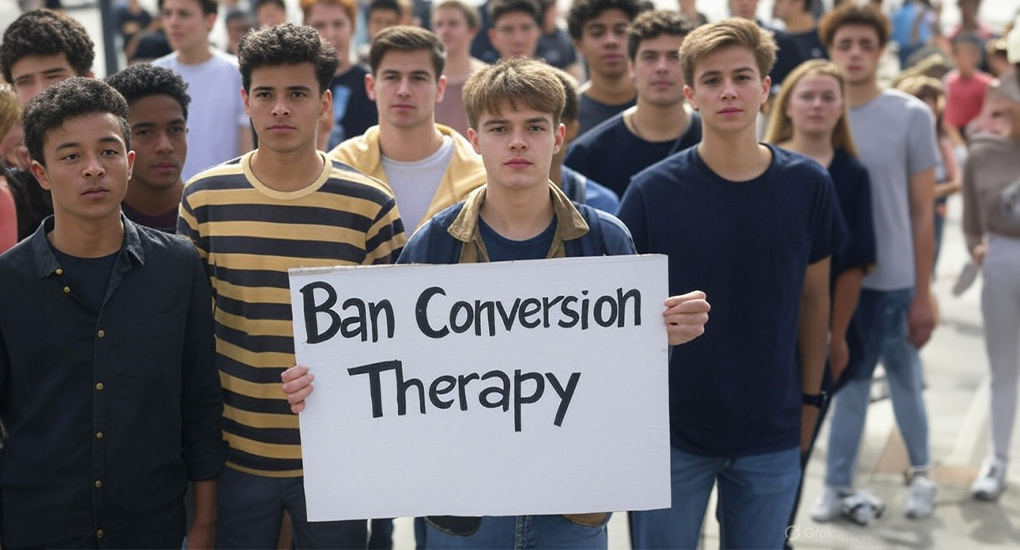
The US Supreme Court ruled 8-1 on 31 March 2026 that Colorado’s ban on conversion therapy for minors violates the First Amendment, a decision that could gut similar protections across 27 states. Justice Neil Gorsuch, writing for the majority in Chiles v. Salazar, held that talk-based conversion therapy counts as protected speech and that any law restricting it must survive strict scrutiny, the highest legal bar a state can face.
What the court said
The case centred on Kaley Chiles, a licensed counsellor in Colorado who challenged the state’s Minor Conversion Therapy Law. Chiles argued that the law stopped her from having certain conversations with minor clients about their sexual orientation and gender identity. The Alliance Defending Freedom, a conservative legal group behind previous wins like 303 Creative LLC v. Elenis, represented her.
Gorsuch wrote that “the spoken word is perhaps the quintessential form of protected speech, which does not lose its protection simply because it can be described as therapy.” He added that “however well-intentioned, any law that suppresses speech based on viewpoint represents an ‘egregious’ assault” on First Amendment commitments.
Justice Ketanji Brown Jackson was the sole dissenter. She read her 35-page dissent from the bench, warning that the ruling “could be ushering in an era of unprofessional and unsafe medical care.” Jackson closed with a line that cut through the legalese: “Because the majority plays with fire in this case, I fear that the people of this country will get burned.”
Why this matters beyond a courtroom
Conversion therapy has been rejected by every major medical and mental health organisation, including the American Psychological Association and the World Health Organisation. The evidence against it is not ambiguous. According to a 2024 Stanford Medicine study, conversion therapy is linked to higher rates of depression, PTSD, and suicidal thoughts among LGBTQIA+ adults. The Trevor Project’s research found that LGBTQIA+ youth who were subjected to conversion therapy were more than twice as likely to attempt suicide. Among those whose exposure happened within the past year, 35 per cent had attempted suicide.
Before this ruling, 23 US states and Washington DC had full bans on licensed professionals performing conversion therapy on minors. Those protections now face serious legal challenges. At DNA, we’ve watched this case closely because its effects won’t stay within American borders. Anti-LGBTQIA+ groups routinely export legal strategies internationally, and a US Supreme Court ruling treating conversion therapy as constitutionally protected speech gives them a powerful new tool.
What happens next
The case has been sent back to lower courts, where Colorado must now prove its ban survives strict scrutiny. Legal experts say that’s an extremely difficult standard to meet. If the ban falls, it sets a precedent that could unravel conversion therapy protections across the country and embolden similar legal challenges worldwide.
If you haven’t seen Boy Erased, now might be the time
The 2018 film Boy Erased, based on Garrard Conley’s memoir, remains one of the most unflinching depictions of what conversion therapy actually looks like. Lucas Hedges plays a young man forced into an ex-gay programme by his Baptist parents (Nicole Kidman and Russell Crowe), where participants are told they are broken and in need of fixing.
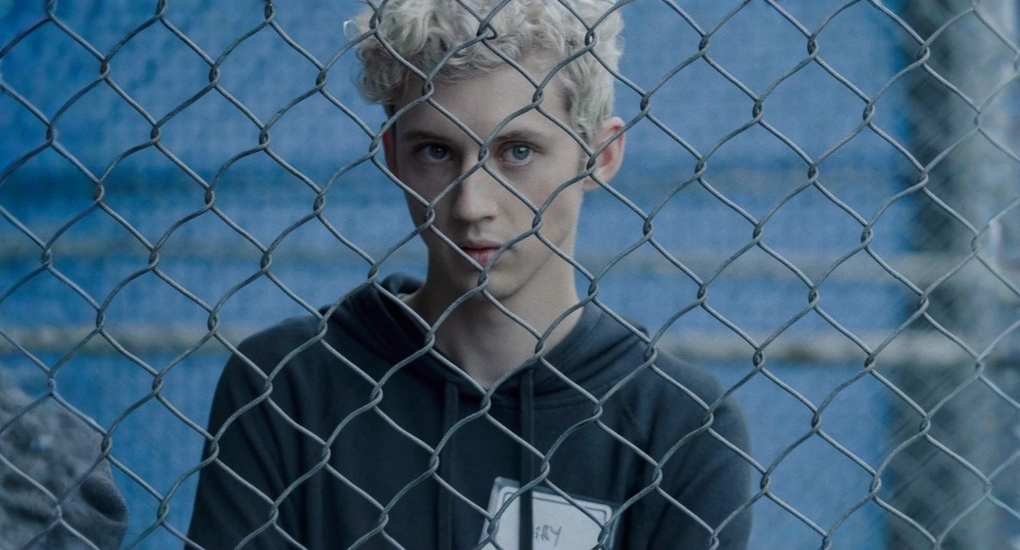
Troye Sivan plays Gary, a fellow programme participant based on a real person from Conley’s account, a young man publicly forced to confess so-called impure thoughts in front of the group. Conley himself has said he hopes his story exposes these programmes as “lacking in compassion and more likely to cause harm than cure anything.” With the Supreme Court now treating this practice as protected speech, Boy Erased is no longer just a film about the past. It feels like a warning.
For anyone affected, the Trevor Project offers 24/7 crisis support at 1-866-488-7386 or via text (START to 678-678).
In Australia, QLife provides free, anonymous peer support and referrals for LGBTQIA+ people (1800 184 527 or qlife.org.au). Beyond Blue offers mental health support for all Australians, including LGBTQIA+-specific resources (1300 22 4636 or beyondblue.org.au). Lifeline is available 24/7 for anyone in crisis (13 11 14 or lifeline.org.au). Switchboard Victoria provides a peer-driven support line for LGBTQIA+ Victorians (1800 729 367).
Internationally, PFLAG offers resources for LGBTQIA+ people and their families at pflag.org.