TikTok’s Troubling Trend: Conversion Content Targets Gen Z

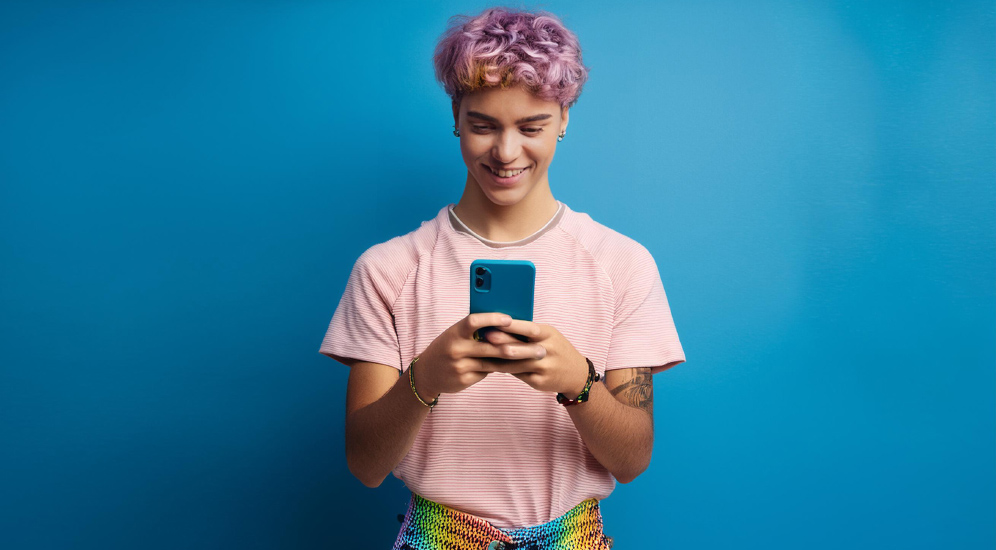
“I used to be gay, but…”
These words pop up on TikTok more often than you’d think. Samuel A. Perez, a self-described “former gay stripper,” posts videos about his change. His most popular clip has over 1.2 million views.
Perez isn’t alone. Other TikTokers like Rashad Vermé and Richard Matthews share similar stories. They claim to have “overcome” same-sex attraction through faith.
“We are changed, by the power of Christ.” This line comes from a rap song by X-Out-Loud, a group promoting these ideas. They use catchy tunes and trendy formats to spread their message.
The Digital Revival of an Old Idea
Conversion therapy isn’t new. It started in the 1970s, peaked in the 1990s, and faded in the early 2000s. Now, it’s back on social media.These influencers use memes, merch, and music to repackage old ideas for a young audience. They’re active on TikTok and Instagram, reaching millions.
TikTok says it bans content that supports conversion therapy. But Andrew Hartzler, who went through conversion therapy as a teen, often sees such videos. He reports them, but TikTok usually says they don’t break the rules.”It’s frustrating,” Hartzler says. He worries these videos give parents new ways to pressure their kids.
The Impact on Viewers
Curtis Lopez-Galloway runs the Conversion Therapy Dropout Network in West Hollywood. He helps people cope with trauma from these practices. Lopez-Galloway sees these videos as harmful, especially for those who’ve been through conversion therapy.”It’s retriggering and traumatizing,” he explains.Oliver Gray, another survivor, tries to help. When he sees comments from struggling viewers, he reaches out privately with support.
Not All Views Are Positive
Raven Baker, a Gen Z expert, points out that high view counts don’t always mean agreement. Many people share these videos to criticize them.Sara Larsen, an art director, adds that Gen Z can spot fake trends. She thinks the real danger is older viewers who might use these videos to pressure young people.
Darren (not his real name) went through conversion therapy at 20. Seeing these videos on Instagram confuses him about his sexuality.”Some days I think they’re right,” he admits. “Other days, I can’t bear to look.”Darren worries about young Christians seeing these videos as a “divine plan.”
What’s Next?
TikTok has removed some conversion content after being asked about it. Instagram’s parent company, Meta, hasn’t taken similar action.
The debate continues: How can platforms balance free speech with protecting vulnerable users?
Further Reading: The Lies and Dangers of “Conversion Therapy”