
Thousands Stand Up Against Queensland’s Ban On Puberty Blockers For Trans Youth

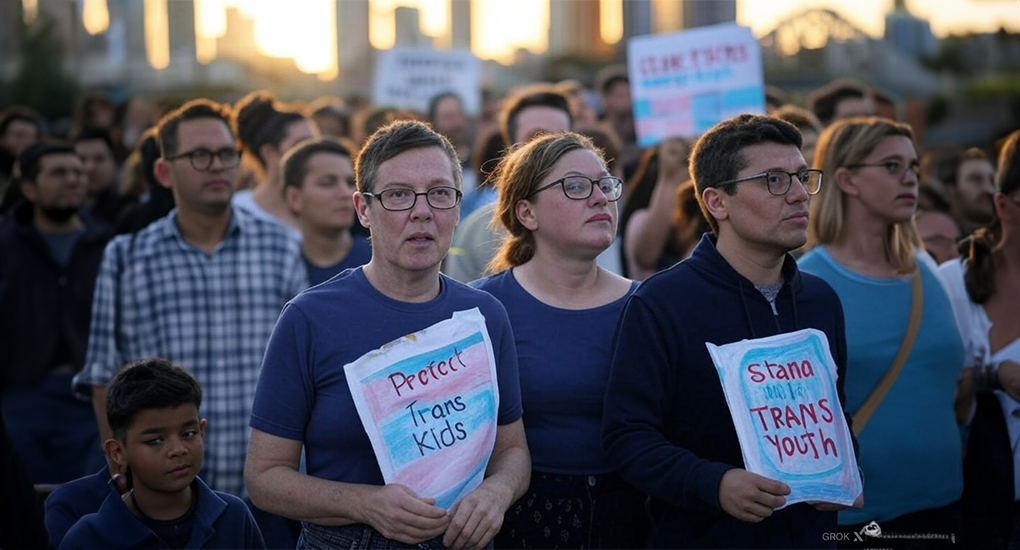
Over the weekend, thousands across Australia took to the streets in a powerful show of support for trans youth and their families. According to a report by The Guardian, these rallies were held in response to Queensland’s decision to pause gender-affirming care for minors. The events drew diverse crowds united by one message: trans young people deserve access to the healthcare they need.
One day, these stories will be told with all the disbelief they invite. How can any responsible adult think this is okay? "My 15-year-old has been on puberty blockers for four years and was just days away from going on HRT." https://t.co/lKlhIlAPQw
— Tina Beattie (@TinaBeattie) February 8, 2025
A Nationwide Call for Change
From Brisbane to Melbourne, Sydney to Cairns, Australians united to voice their opposition to the controversial ban. Lead organiser Jackie Turner, director of the Trans Justice Project, confirmed the turnout was significant, with 5,000 supporters in Brisbane and Melbourne, 2,500 in Sydney, and over 200 in Cairns.
“We have shown today, with the thousands of people that have turned out, that people stand with the trans community and want to see gender-affirming care made accessible and affordable for everyone who needs it,” Turner said.
The Queensland government recently announced an immediate pause on new patients under 18 accessing puberty blockers and hormone therapies through its public healthcare system. This decision has been widely criticised by medical bodies and advocates.
Huge show of solidarity on Gadigal Country today as part of continent-wide protests against the termination of essential healthcare for trans youth by the Queensland government. The protest was also a call to action to challenge the rising tide of fascism. Stand up, fight back 🏳️⚧️ pic.twitter.com/osd4zcjYlJ
— packet of chips (@packetofchips) February 8, 2025
Why the Ban?
Health Minister Tim Nicholls claimed the pause allows time for a review of the evidence supporting stage one and two hormone therapies for minors with gender dysphoria. In the meantime, nearly 500 young people and their families are left without access to essential, evidence-based care.
Medical organisations, including the Royal Australian and New Zealand College of Psychiatrists and the Australian Medical Association Queensland, have spoken out against the government’s move, labeling it damaging and unjustified.
The impact on families has been immense. One Brisbane parent, Hannah, explained how the policy change has affected her child. “My 15-year-old has been on puberty blockers for four years and was just days away from going on HRT. Now that can’t happen. Like all teenagers, she just wants to look like her friends at school and express who she really is,” she said.
Some signs from today’s rally demanding UI Health stop cutting off gender affirming care for young people. Unions were out, as was CDSA. One speaker came out as trans publicly for the first time as the crowd chanted “we love you.” A genuinely moving gathering. pic.twitter.com/WgZT8XU0b0
— Sarah Lazare (@sarahlazare) February 6, 2025
Anger, Frustration, and a Fight for Justice
This pause on care has sparked outrage. Turner highlighted the growing frustration among families and communities who view the ban as politically motivated rather than based on medical evidence. “Governments can’t be allowed to ban evidence-based healthcare solely on the basis of their political beliefs,” Turner stated.
The movement is now focused on pressuring politicians across the nation to stand up for the rights of trans people. Turner reaffirmed their commitment, saying, “What I hope trans youth take away from this day is that you are not alone, and we’ve got your backs.”
At its core, this isn’t just about healthcare, it’s about the right to live authentically and safely. These rallies highlighted the widespread support for trans youth while emphasising the urgency of restoring gender-affirming care.
For many families, the decision is a personal matter. For allies, it represents a broader struggle for equality and justice. What would you do to protect the care and dignity of young people who need it most?



