
The Truth About Alan Turing: Why He Told Police He Was Gay

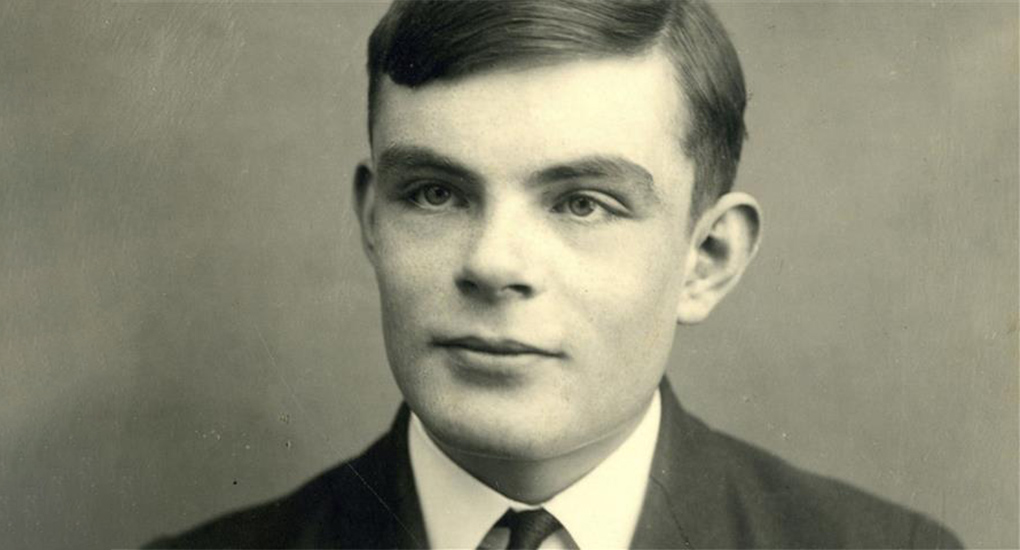
Alan Turing, the math genius who broke Nazi codes during World War II, made a fateful choice in 1952. While reporting a burglary to police, he openly said he was in a relationship with another man, then a crime in Britain. This led to his prosecution for “gross indecency,” ended his groundbreaking computer work, and forced him to undergo chemical castration. Two years later, he took his own life.
Why would such a brilliant man make this admission? The answer comes from his years at King’s College, Cambridge, according to new research reports Donna Ferguson in The Guardian.
A Hidden Community at King’s College
King’s College, Cambridge, where Turing studied and later lectured, was unlike most places in mid-20th century Britain. While homosexuality was criminalised across the country, King’s fostered what Simon Goldhill, a professor of Greek literature and culture at King’s College and renowned scholar on queer history, describes as “a very camp environment.” During the 1930s, when Turing was there, many of the college’s senior figures were openly gay. This wasn’t a secretive existence filled with shame or fear; it was an open and lively community where men discussed their relationships and identities without hesitation.
Goldhill explains that this unique atmosphere gave Turing the confidence to embrace who he was. “Turing thought he had the perfect right to be gay,” Goldhill notes. “He wasn’t ashamed of it. It was who he was.” This acceptance within the walls of King’s stood in stark contrast to the hostile world outside. For Turing, this environment wasn’t just liberating, it was life-changing.
Why Did He Confess?
Turing’s admission to police can be traced back to the values he absorbed during his years at King’s. From 18 to 24 years old, he lived in a space where being gay wasn’t hidden but celebrated among intellectuals and cultural leaders. Figures like economist John Maynard Keynes and novelist EM Forster were part of this vibrant community. Keynes even kept meticulous records of his romantic encounters—a detail Goldhill attributes to his economist’s penchant for counting everything.
This openness likely shaped Turing’s view on honesty and integrity. When questioned by police about a suspected burglar connected to his lover, Turing didn’t see a reason to lie or conceal his relationship. Goldhill believes this decision stemmed from Turing’s belief in standing up for himself and refusing to deny who he was. “He got that confidence from King’s,” Goldhill says.
The Legacy of King’s College
A statute from 1443 required that students at King’s come exclusively from Eton College, fostering lifelong bonds among men who often shared similar desires. Over time, this created a thriving gay community within the college walls. Even after this rule changed in the 19th century, teachers across Britain encouraged bright boys they suspected were gay to apply to King’s, knowing they would find acceptance there.
To this day, King’s remains a beacon of tolerance and liberal values within Cambridge University. Its LGBTQIA+ officer, Ainoa Cernohorsky, describes it as “a very accepting environment,” crediting its inclusive atmosphere to the stories and legacies of figures like Turing and Keynes. Their presence is still felt in the college through artworks like Antony Gormley’s statue dedicated to Turing and Duncan Grant’s portrait of Keynes.
The Cost of Honesty
What can we learn from Turing’s story? His time at King’s gave him the courage to be honest—even to police. In 1952, he told officers the burglar was a friend of his male lover.
“Turing thought he had the perfect right to be gay. He wasn’t ashamed of it. It was who he was,” Goldhill states.
This honesty led to his prosecution. He chose chemical castration over prison. The treatment left him impotent, and two years later, he died by suicide.
Turing’s remarkable life and tragic end captured worldwide attention when it became the subject of the 2014 film The Imitation Game. The movie, starring Benedict Cumberbatch as Turing, brought his story to millions and sparked renewed interest in both his computing innovations and the injustice he faced because of his sexuality.

How might history be different if the world outside King’s had shown the same acceptance as the world within?

