
“Severance’s” Tramell Tillman Spent Years Hiding And He Is Done Playing Small

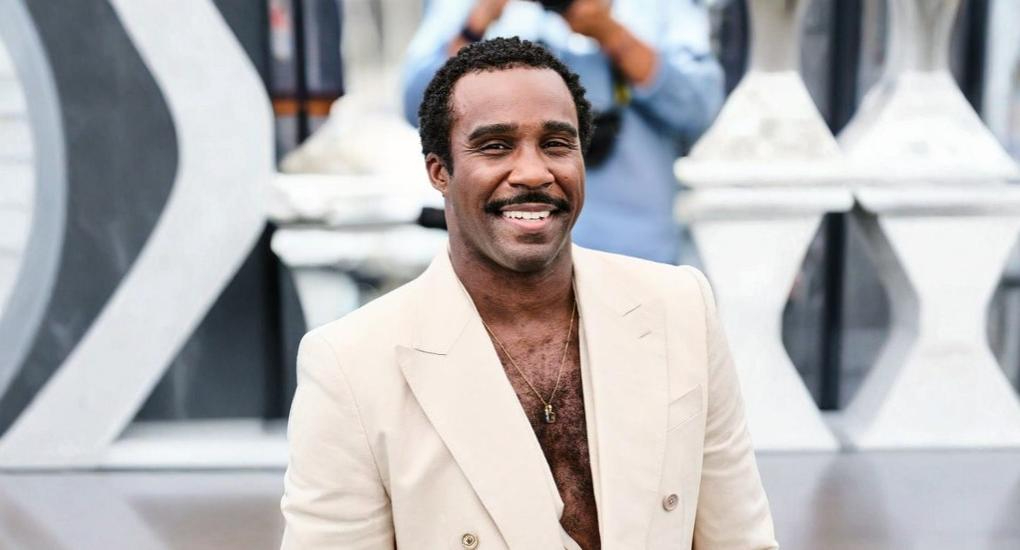
The memory of a drive through Petersburg, Virginia, is still sharp for Tramell Tillman. He was in his twenties, sitting in a quiet car with his mother during the holiday season. On the way to his grandmother’s house, he decided to share a truth he had held inside for years. “Mom, I’m bisexual,” he said, keeping his eyes on the road. According to a recent, detailed profile in Variety, her response was a little awkward, but not unkind. A few years later, a second, more direct conversation followed, “I’m gay.”
This time, her reaction was different. It wasn’t judgement, but a mother’s fear for her son’s future in a world that can be unforgiving.
“I don’t want this to ruin your career,” she told him. “I don’t want you to be blackballed.” It turns out her fears, while understandable, were off the mark.
Today, Tillman’s honesty has become a cornerstone of his success, leading to a history-making Emmy nomination for his role as the unsettlingly cheerful Seth Milchick in Apple TV+’s Severance.
At 40, Tillman is the first openly gay Black man to be nominated for outstanding supporting actor in a drama series. It’s a significant nod for a performance that has captured the attention of critics and fans. He plays Milchick with a chilling precision, a man whose smile seems both genuine and menacing. “Playing Milchick is like putting on a suit of armour,” Tillman says. The role has layers, and he notes that “every movement of Milchick is one hundred per cent intentional.”
This intentionality is what makes the character so compelling. Online, his sophisticated vocabulary has earned him the affectionate nickname “Dictionary Daddy,” a title he smiles at but doesn’t take too seriously. The now-famous “Defiant Jazz” dance scene from season one was another moment where Tillman brought his own history to the character.
He suggested infusing the scene with the energy of an HBCU, or Historically Black College and University, performance. It was a way for Milchick to reclaim his joy and be seen, something Tillman himself has fought for.
The long road to Severance.
The journey to this point wasn’t easy. As the youngest of six, Tillman learned early to observe and adapt in a household he describes as passionate, with rules and academic pressure. His father was dismissive of his acting dreams, once telling him he’d “be a waiter for the rest of his life.” He carried that with him for years.
Later, in 2014, he became the first Black man to graduate from the University of Tennessee’s MFA acting program. The experience was isolating and fraught with racism. He was called slurs and endured countless microaggressions, often with little support from the institution. Have you ever felt like you had to shrink yourself to fit in? For Tillman, much of his early life and career was about survival. Acting, dancing, and singing were ways to escape and find freedom when he felt he couldn’t be himself.
“I’m not playing small for nobody.”
After a long hiatus between seasons due to the pandemic and industry strikes, Severance is finally back in production. Tillman admits he was nervous if the fans would stick around, but he’s grateful they have. In the interim, he even shared the screen with Tom Cruise in Mission: Impossible – The Final Reckoning, a nerve-wracking experience where he received the script only a day before filming his scene.
Now, with an Emmy nomination under his belt, Tillman stands on the brink of making history. He says he doesn’t feel the weight of the moment, but rather feels honoured to join a legacy of incredible storytellers. Looking back at the years of struggle, from his father’s disapproval to the racism he faced in university, his perspective is clear and resolute. “I’m not playing small for nobody,” he states. “I’m not dimming my light for anybody. I have spent years doing that, and those days are done.” For Tramell Tillman, this isn’t just a career high, it’s a personal revolution.
