
RFK Sacked Scientists And Appointed Sceptics To Vaccine Board – Why This Matters To LGBTQIA+ People

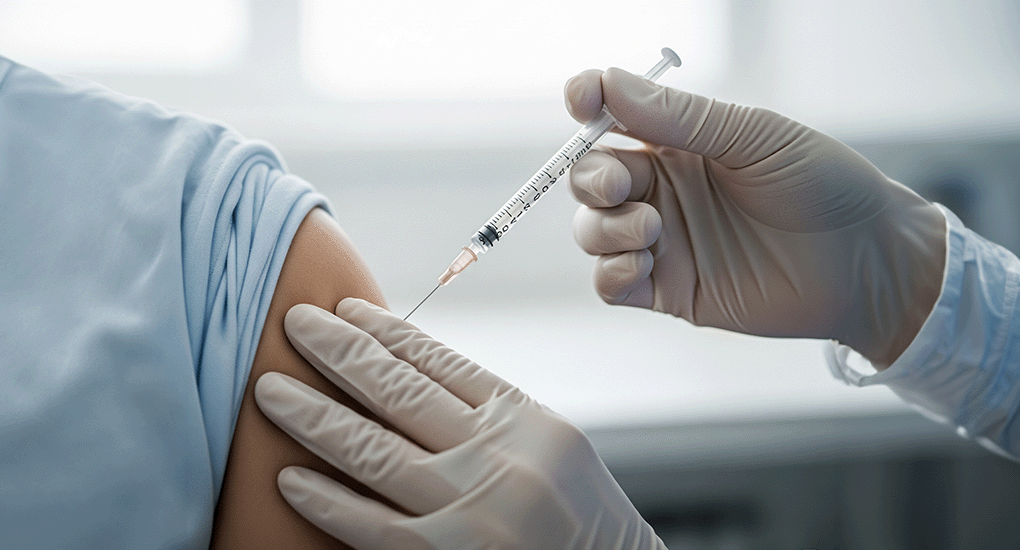
The recent dismissal of all 17 members of the CDC’s Advisory Committee on Immunisation Practices (ACIP) by U.S. Health Secretary Robert F. Kennedy Jr. has elicited significant concern among immunologists and health journalists. Experts warn that this abrupt overhaul could have far-reaching implications for public health, vaccine policy, and scientific integrity.
Three of RFK’s new appointees to the committee are known vaccine sceptics. Robert Malone has been widely criticised for spreading misinformation about COVID-19 vaccines. Dr. Martin Kulldorff advocated for herd immunity through natural infection rather than widespread vaccination. Vicky Pebsworth is known for promoting vaccine misinformation and undermining public confidence in immunisation programs.
RFK promised during his confirmation hearing to keep this committee of experts intact. He is truly a liar and is going to cause untold death and misery. RFK Jr. ousts entire CDC vaccine advisory committeehttps://t.co/Vn1wq2b2OD pic.twitter.com/HdImxIyG6f
— Steven Hassan, PhD (@CultExpert) June 10, 2025
This follows the Trump administration’s decision to defund major HIV vaccine research programs. In late May 2025, the Trump administration terminated a $258 million National Institutes of Health (NIH) program that was central to developing an HIV vaccine. This program supported research at institutions like Duke University and the Scripps Research Institute, focusing on broadly neutralising antibodies—a promising avenue for long-term HIV protection. The NIH cited a strategic shift towards existing HIV prevention methods as the rationale for the cuts.
Experts have expressed concern that these funding cuts could set back HIV vaccine development by a decade, undermining decades of progress in combating the epidemic. The termination of these programs has also disrupted clinical trials and affected global health initiatives, particularly in developing countries where access to HIV prevention and treatment is crucial.
Why Vaccines Are Important To The LGBTQIA+ Community
Several sexually transmitted infections (STIs) can be prevented through vaccination.
Human Papillomavirus (HPV)
The vaccine protects against genital warts, cervical, anal, throat, vulvar, vaginal, and penile cancers.
Hepatitis B
Hepatitis B can be sexually transmitted and is recommended for men who have sex with men, sex workers, and people with multiple partners.
Hepatitis A
Can be spread through oral-anal contact and is recommended for gay and bisexual men, people with chronic liver disease, travellers to endemic countries and people who use recreational drugs. The vaccine is often given in combination with the Hep B vaccine.

Mpox
The vaccine also protects against smallpox. Mpox can be spread through sexual or close physical contact. Vaccination is recommended for men who have sex with men, people with multiple sexual partners and sex workers.
There are no vaccines currently available for HIV, herpes, chlamydia, gonorrhea or syphilis.



