
Remembering Pulse: Why Violence Against LGBTQIA+ People Still Demands Our Attention In 2025

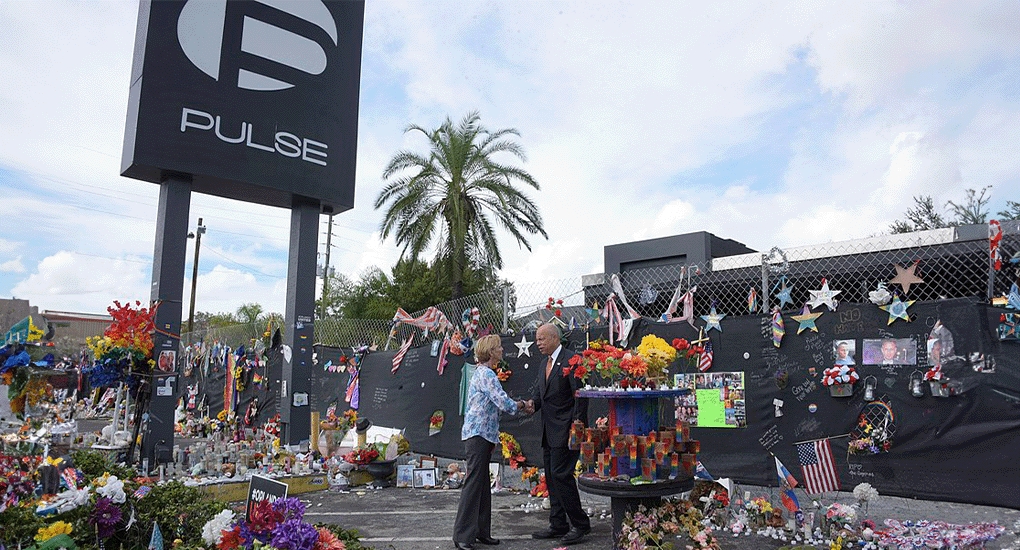
Today marks June 12, 2025. A date etched in history and grief. On this day in 2016, the Pulse nightclub shooting shattered lives and exposed the raw violence our community faces. At DNA, we honour those we lost. But we must ask ourselves: has anything changed?
On this week 9 years ago on June 12, 49 LGBT persons were murdered at the Pulse Nightclub in Orlando.
— Luis Viera (@CouncilmanViera) June 11, 2025
This act of hatred and terror struck a chord and is remembered today. We remember these names and the names of others who have been attacked, beaten and murdered on account… pic.twitter.com/Z8PvMfdRgy
The Surge of Violence Today
The troubling answer is yes. Hate-fuelled attacks and violent assaults have continued to rise. According to GLAAD’s ALERT Desk, between May 2024 and May 2025, there were over 930 anti-LGBTQIA+ incidents across 49 U.S. states and D.C. (about 2.5 a day). These resulted in 84 injuries and 10 deaths. Alarmingly, 52 per cent of those targeted were trans or non-binary, and the number of anti-trans incidents jumped 14 per cent from the previous year
Meanwhile, fatal violence against transgender and gender-expansive individuals continues at a heartbreaking pace. The Human Rights Campaign Foundation recorded at least 36 such deaths in the past year, nearly half of which involved Black trans women.
Who Bears the Brutality?
Black trans women are confronting the deadliest wave. The HRC notes that they account for around 50 per cent of trans victims in 2024. Broader research from the Williams Institute shows LGBTQIA+ individuals face violent crime at five times the rate of non-LGBTQIA+ people, and transgender people even more so.
But who is behind this violence? Offenders are often prompted by hate, extremist rhetoric, and political manipulation. Perpetrators frequently use threats of outing or humiliation to exploit shame and silence victims
Thanks to @UCF_LGBTQ Services for hosting last night's remembrance honoring those taken by hate at Pulse nightclub nearly 9 years ago.
— Senator Carlos Guillermo Smith (@CarlosGSmith) June 11, 2025
We remember the strength + courage of those who survived, the families impacted, + the enduring spirit of those no longer here. #UCFRemembers 🏳️🌈 pic.twitter.com/kpkgTcgxrN
Policy And Prejudice: The Roots of Hate
Violence does not exist in a vacuum. Across the U.S., over 533 anti-LGBTQIA+ bills were introduced in 2024—continuing a broader legislative barrage that explicitly targets trans youth. These laws fuel stigma. When hateful language and political attacks dominate public discourse, violence follows.
It is no surprise that public debate on anti-trans legislation corresponded with a surge in youth mental health crises and fatigue within the community.
Who Is Most Affected?
The impact isn’t evenly spread. Transgender and non-binary people are disproportionately affected, as are people of colour, disabled folks, and immigrants. These overlapping identities face multiple layers of hostility in public spaces, employment, and healthcare.
For instance, transgender adults were nearly twice as likely to face discrimination in public and at work in 2024, according to Americanprogress.org. And anti-trans bills, disinformation, and biased media amplify calls for violence and silence.
What Can We Do?
The statistics are overwhelming, but we’re not powerless. Every time we report harassment, we’re creating data that helps authorities understand the scope of the problem. Every time we support each other, we’re building the resilience our community needs.
We can vote for leaders who prioritise our safety. We can support organisations that track and combat anti-LGBTQIA+ violence. We can create safe spaces that have been threatened or destroyed.

Rhododendrites/WikiCommons)Most importantly, we can remember the 49 people who perished at Pulse not just today, but every day. Their lives mattered. Their dreams mattered. Their love mattered.
As we mark this anniversary, let’s recommit to building a world where no one has to fear violence for being who they are. The numbers show us how much work we still have to do. But they also show us how much our community has grown and how much we mean to each other.
The fight isn’t over. In fact, the statistics suggest it’s more urgent than ever. But if there’s one thing the past nine years have taught us, it’s that we’re stronger together than any force trying to tear us apart.
Survivors and families of the 49 victims of the Pulse LGBTQ nightclub shooting in Orlando nine years ago took one last tour of the building before it is demolished and replaced with a memorial. CBS News’ @BojorquezCBS reports on the emotional moments. pic.twitter.com/8Dwkahffir
— CBS Evening News (@CBSEveningNews) June 11, 2025

