
“Queer Love Shouldn’t Hurt” Is The New Campaign Forcing A Hard Conversation About LGBTQIA+ Domestic Violence

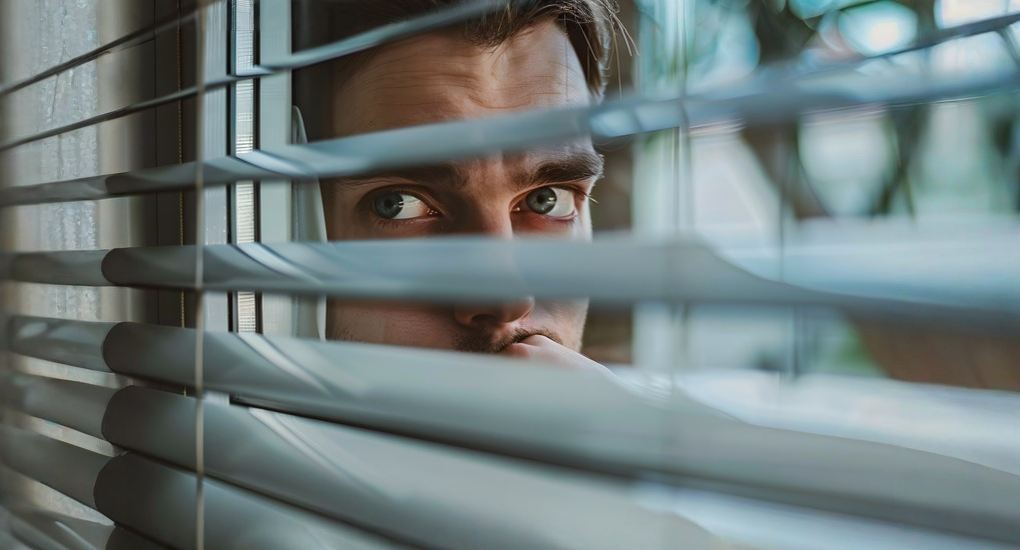
The Wanda Alston Foundation launched Queer Love Shouldn’t Hurt in Washington, D.C. this month, a campaign asking LGBTQIA+ communities to stop treating intimate partner violence as a problem that happens to other people. It arrives ahead of LGBTQIA+ Domestic Violence Awareness Day on 28 May.
“Domestic and family violence in LGBTQIA+ communities is real and too often invisible,” said Cesar Toledo, executive director of the Wanda Alston Foundation. “As a community, we do not talk about it enough, and that silence can leave survivors feeling isolated and alone. We must break that silence.”
The numbers nobody talks about
The campaign cites figures that are difficult to ignore. According to data shared at QueerLove.org, more than half of trans and non-binary people have experienced intimate partner violence. Sixty-one per cent of bisexual women and forty-four per cent of lesbian women have experienced it during their lifetime.
Almost two in five LGBTQIA+ young people report being pressured into unwanted sexual activity.
Among men in same-sex relationships, the campaign reports that one in three experience emotional abuse and one in four report physical violence. Those numbers are conservative because so many queer survivors don’t report at all.
Why the silence persists
Public understanding of domestic violence has been built almost entirely around heterosexual relationships. That has left queer survivors without language for their own experiences and without trust in systems designed for someone else.
Trans and non-binary survivors are routinely excluded from shelters because of policies that pre-date their existence.
Calls to police can lead to both partners being arrested, with almost 30 per cent of same-sex domestic violence incidents ending in dual arrest, compared with around 1 per cent of heterosexual cases. Reporting abuse can mean being outed at work, losing custody, or losing housing.
For queer parents, the stakes go further. The campaign points out that Black lesbian and bisexual women are significantly more likely to lose custody of their children than heterosexual women. The systems are still catching up. A lot of survivors aren’t waiting for them to.
What the campaign is actually doing
Throughout May, Queer Love Shouldn’t Hurt has rolled out digital education materials, workshops and toolkits across the District, designed by and for queer people. The goal is twofold. Get information into the hands of survivors who can use it, and shift the conversations happening between partners, friends and chosen family.
“To survivors: free culturally competent care is out there,” Toledo said.
At DNA we’d point any reader who needs it to QueerLove.org, where the full toolkit, support network directory and resource lists live.
If something in your relationship has stopped feeling safe, this is the campaign that says you’re not alone, and you don’t have to keep quiet to keep yourself safe.

