
Pride Isn’t Cancelled, It’s Evolving (And Still Worth Fighting For)

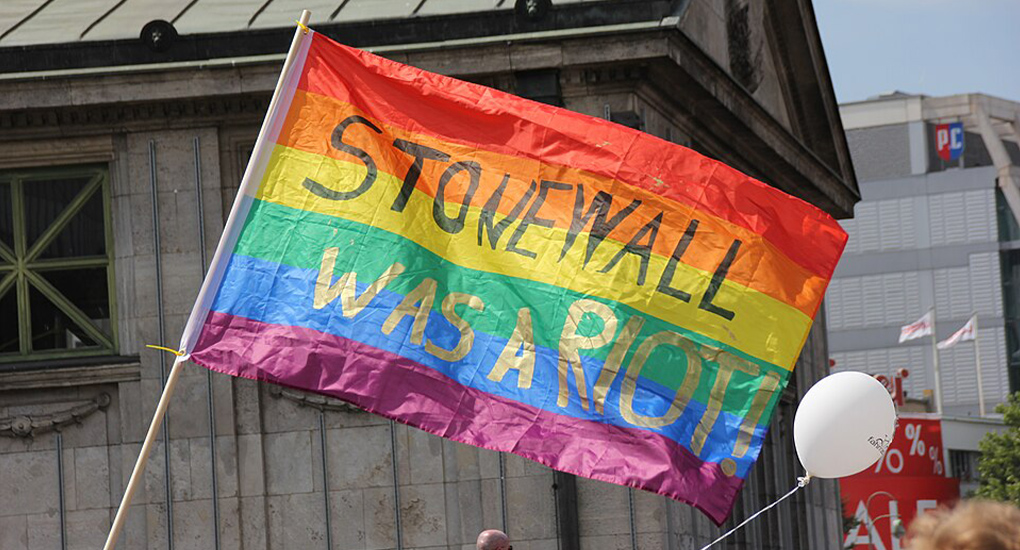
June is here, and with it comes a familiar energy: celebration, protest, memory, and visibility. Pride Month didn’t begin as a party. It started as resistance. And while today’s parades are often colourful, commercial, and mainstream, the reason they exist in the first place hasn’t changed.
Happy #pridemonth #pridemonth2025 pic.twitter.com/wfsWxfKk1Q
— PRIDE 🏳️🌈🏳️⚧️🇬🇧 (@prideukorg) June 1, 2025
Pride began because of police violence, community backlash, and the demand for equal rights. And in 2025, amid rising political tension and global backlash, the meaning behind it feels more urgent than ever.
It Was Never Just About Stonewall
Ask someone why Pride is in June, and you’ll hear “Stonewall.” The 1969 uprising in New York City was a turning point, but the story didn’t star there.
A full decade before Stonewall, queer patrons were fighting back at Cooper’s Donuts in Los Angeles. In 1966, Compton’s Cafeteria in San Francisco became another frontline when trans women and drag queens clashed with police. And in 1967, the Black Cat Bar in L.A. was raided on New Year’s Eve, sparking one of the first organised protests in response.
These acts weren’t isolated. They were part of a pattern: people resisting shame, harassment, and systemic violence. They demanded visibility before visibility was safe.
Love doesn't discriminate.#PrideMonth #HamFam pic.twitter.com/WlmGBargK5
— Hamilton West End (@HamiltonWestEnd) June 1, 2025
Pride Got Organised
The first official Pride marches happened in June 1970 in New York, Los Angeles, Chicago, and San Francisco, marking one year since Stonewall. Over time, the movement grew, spreading across the U.S., then globally. Sydney’s first march came in 1978. London in 1972. Montreal joined in 1979.
Cities, large and small, now plan Pride events based on weather, budgets, or safety, not always around the Stonewall anniversary. Palm Springs celebrates in November. Others spread events over weeks or all month. But June remains symbolic. It’s the time when the world looks our way and we show up unapologetically.
Politics Always Finds a Way In
Pride has never been separate from politics. U.S. presidents have sent mixed signals over the years. Bill Clinton was the first to officially recognise Pride Month in 1999. Barack Obama continued the tradition. Donald Trump skipped it. Joe Biden reinstated it, naming every letter: Lesbian, Gay, Bisexual, Transgender, Queer, and Intersex.
And now that Trump’s back in office, the silence from the White House says more than a proclamation ever could.
Corporate sponsors are also stepping back. DEI programs are being slashed, and companies once eager to wave rainbow flags are quietly disappearing. At DNA, we’re seeing communities fight back with grassroots support, like Twin Cities Pride in Minnesota, which rejected a $50,000 cheque from Target and raised even more without it.
The Movements Within the Movement
Visibility isn’t just a buzzword. For many, it’s survival. For others, it’s about finally being seen — even within our own communities.
The first Dyke Marches rolled out in 1993. Black Pride events started in 1991. Trans marches, like the one in San Francisco launched in 2004, are growing louder and prouder each year.
WorldPride 2025: Party or Protest?
WorldPride is in Washington, D.C., this year, and it’s happening in a political storm. Organisers pulled events from Trump-controlled venues like the Kennedy Center. A protest rally is planned for June 8. Some activists are urging caution, especially for trans visitors from abroad. Still, many are choosing to show up anyway, framing their presence as resistance.
Because if history tells us anything, it’s that Pride survives.
It survived the AIDS crisis, the COVID pandemic, funding cuts, political apathy, and corporate betrayal. It’s adapted. It’s clashed with itself. It’s debated police inclusion and pinkwashing. And it keeps going.
So yes, Pride started with a protest, but it never stopped being one.
On our street, everyone is welcome. Together, let’s build a world where every person and family feels loved and respected for who they are. Happy #PrideMonth! pic.twitter.com/6JJFhxO9dC
— Sesame Street (@sesamestreet) June 1, 2025



