
Pentagon Moves To Honour Veterans Discharged Under ‘Don’t Ask, Don’t Tell’

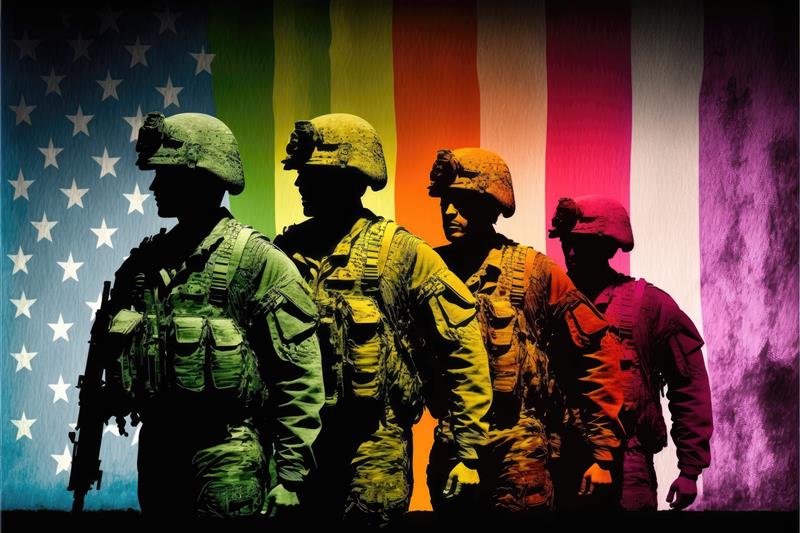
For decades, thousands of people who served in the U.S. military were stripped of their dignity and careers simply because of their sexual orientation. Now, a long-overdue step toward justice may be on the horizon.

The Pentagon has announced that it will consider granting honourable discharges to veterans who were barred from service under the discriminatory “Don’t Ask, Don’t Tell” (DADT) policy. Let’s break down what’s happening, why this matters, and how it could impact lives.
What Was ‘Don’t Ask, Don’t Tell’?
If you’re not familiar with it, “Don’t Ask, Don’t Tell” was a policy in effect from 1993 to 2011. It banned openly gay and bisexual people from serving in the U.S. military. Those who came out, or were outed, faced “other than honourable” discharges. It was a scarlet letter, robbing veterans of benefits like healthcare, education, and often, their sense of self-worth.
Official data shows that around 14,000 service members were discharged under DADT. And if you zoom out further, more than 20,000 others were discharged since 1980 because of their actual or perceived sexual orientation. That’s decades of lives upended simply because of who someone loved.
For veterans discharged under DADT, receiving an “honourable discharge” could finally open doors that have long been slammed shut. We’re talking about access to healthcare, home loans, tuition assistance, and job opportunities. These are benefits veterans earned through their service, benefits they’ve been denied for far too long.
Chelsea Corey, one of the attorneys leading this fight, spoke to Reuters about how listing a person’s sexual orientation on discharge paperwork was a clear act of discrimination. And she’s right. It was systemic erasure, plain and simple. This discriminatory branding not only denied veterans their rights but also labelled them as less than, leaving lasting damage.
So, what’s changing? If a proposed legal settlement is approved, the Pentagon will create a streamlined process for removing sexual orientation from discharge records and upgrading discharges to honourable status. It’s a step toward rectifying decades of harm.
For over 30 years, “Don’t Ask, Don’t Tell” caused irreparable harm to countless service members. Its repeal in 2011 was a turning point, but it wasn’t the end of the fight. This settlement, if approved, could correct some of the wrongs that were committed and finally give these veterans the recognition and support they deserve.
