
Oh, Hell IdaNO – Idaho Finishes Session With Staggering New Anti-LGBTQIA+ Laws

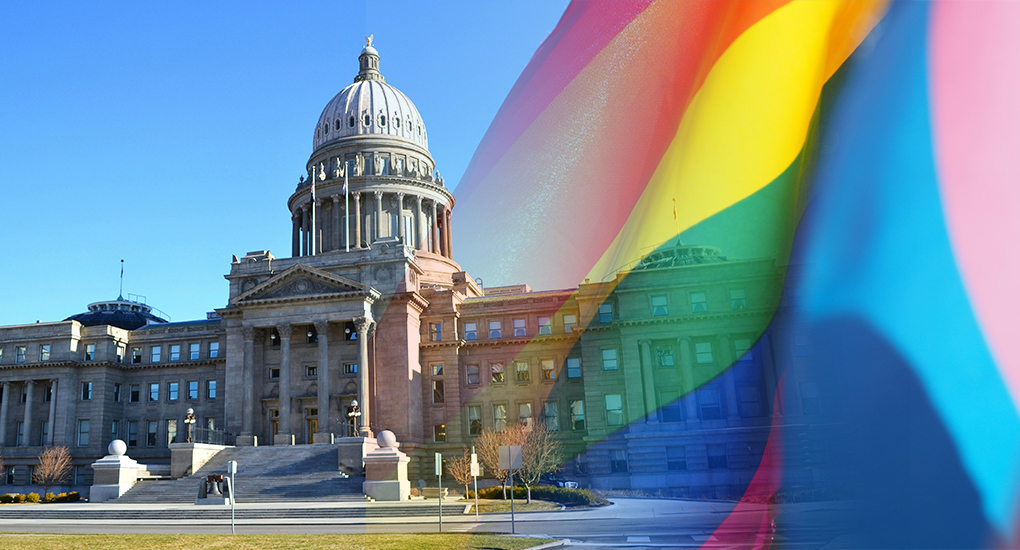
The Idaho State Legislature concluded its 2024 session controversially passing a series of laws that have drawn widespread criticism for their impact on the LGBTQIA+ community.
Republican Governor Brad Little signed three bills into law, each targeting different aspects of LGBTQIA+ rights, sparking concern and outrage among activists.
The laws that impact queer folk in Idaho
House Bill 668 was signed into law on March 27 and prohibits the use of public funds, including Medicaid, for gender-affirming care. This law is slated to take effect on July 1 and restricts access to crucial medical treatments for transgender individuals.
Another contentious measure, House Bill 421, redefines gender as solely biological sex; disregarding gender identity and other aspects of gender expression. Signed by Governor Little on April 9, this law reinforces outdated and narrow definitions of gender, erasing the experiences of transgender and non-binary individuals.
Accompanying House Bill 421 is House Bill 538, which mandates that educators in public schools refer to students by their legal names, even if it does not align with their gender identity. Signed into law on April 9, this measure permits the misgendering and deadnaming of students without repercussions.
These legislative actions mark the latest in a series of attacks against the LGBTQIA+ community in Idaho. Last year, the state enacted a law criminalising gender-affirming care for minors, prompting legal challenges and condemnation from advocacy groups.
In response to the passage of House Bill 538, protestors symbolically flooded the Idaho State Capital building in Boise with 48,000 paper hearts, representing the LGBTQIA+ population of the state. The demonstration aimed to highlight the lack of representation and disregard for queer voices in the legislative process.
Bills 668, 421 and 538 are targeted measures of oppressive legislation that only work to make life more difficult for vulnerable LGBTQIA+ individuals.



