
Nigerian Man Dies After Homophobic Attack As 25 Arrested For Alleged Gay Wedding

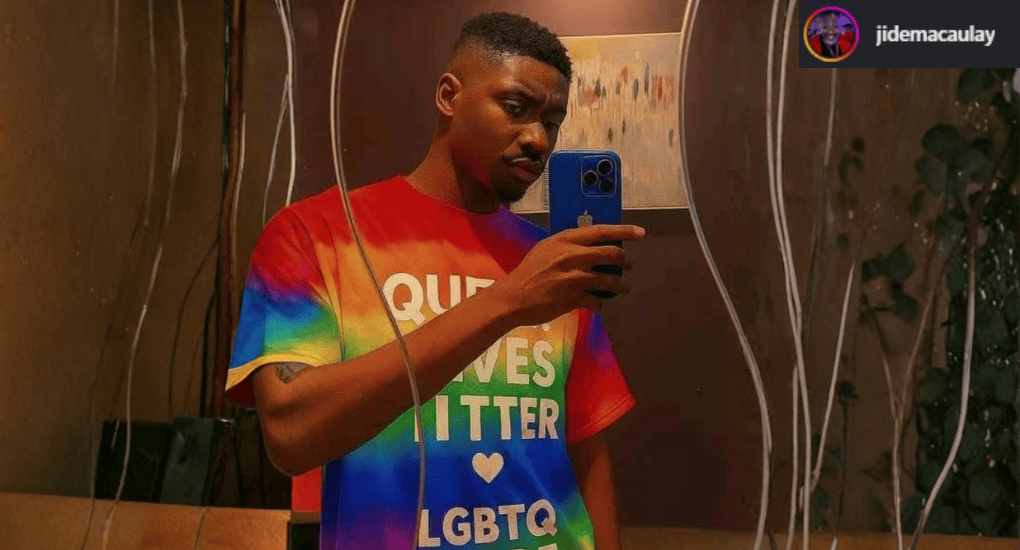
Hilary, a young gay man, has died after a suspected “kito” entrapment attack in Port Harcourt. Community leader Reverend Jide Macaulay said Hilary was lured under false pretences, beaten, and thrown from a two-storey building. He died from spinal injuries. Macaulay says it is the second reported kito-related death in two weeks.
What ‘kito’ means and how it works.
“Kito” is a term used in Nigeria for entrapment, blackmail, and violence against queer people arranged through social media or dating apps. Reports and analysis over several years describe patterns of deception, assault, and extortion that deter victims from going to the police because of criminal penalties under federal law.
Religious police arrests in Kano.
One day after Hilary’s death was publicised, the Hisbah religious police in Kano said they arrested 25 people over an alleged same-sex wedding following a tip-off. A deputy head of Hisbah told reporters one man was “planning to tie the knot with another young man,” and that cases would be pursued.
What the law says.
Nigeria’s Same-Sex Marriage Prohibition Act (SSMPA) outlaws same-sex marriage and broadly criminalises public same-sex affection and organising groups, with penalties up to 14 years’ imprisonment. In 12 northern states where Islamic law applies to Muslims, same-sex acts can carry the death penalty for men, though there is no evidence such sentences have been carried out.
These two stories show the collision of vigilante violence and enforcement actions. Activists say both trends increase fear and push people underground, which in turn makes “kito” entrapment and blackmail harder to report.
Context from recent cases.
Calls for protection grew louder after the 2024 killing of “Area Mama,” a popular trans TikToker in Abuja, which drew international coverage and local grief.
What rights groups are asking for.
Community leaders and human-rights organisations are pressing for credible investigations into hate crimes, protection for vulnerable people, and repeal or reform of laws used to target LGBTQIA+ Nigerians. The UK government’s 2025 country note also records frequent arrests and harassment by state and religious authorities and highlights the difficulty of securing protection.
Macaulay’s House Of Rainbow and allied groups continue to offer pastoral, legal, and community support in Nigeria and abroad, including public alerts about suspected “kito” accounts.
