Is NHL Ready For “Heated Rivalry” Season 2?

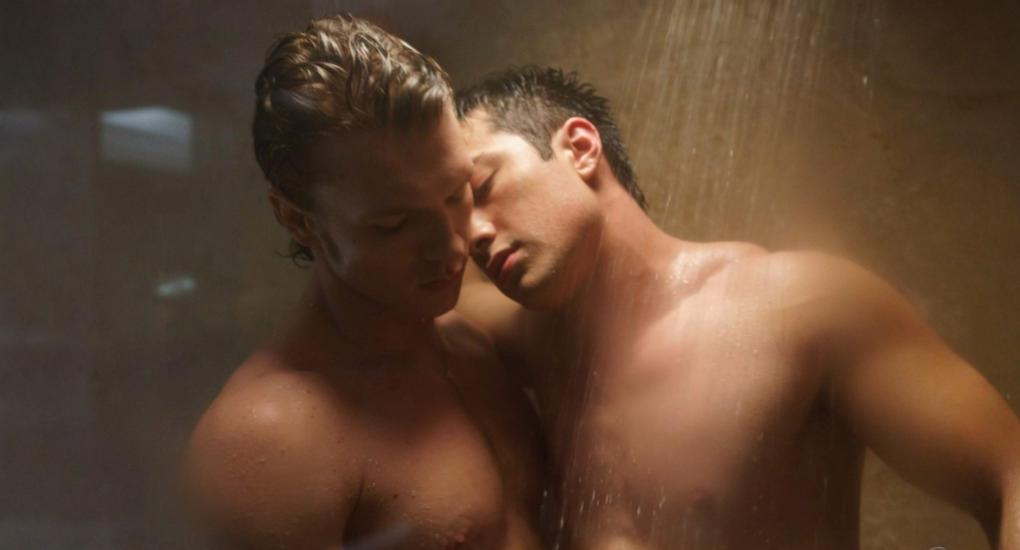
The National Hockey League is bracing for Heated Rivalry season 2, and one of its top executives has admitted there is work to do before the next chapter lands on HBO Max in April 2027. The worry has nothing to do with the explicit content. It is about a fictional hockey commissioner whose villainous behaviour, the NHL fears, could reflect badly on their real boss, Gary Bettman.
Why the league is suddenly nervous
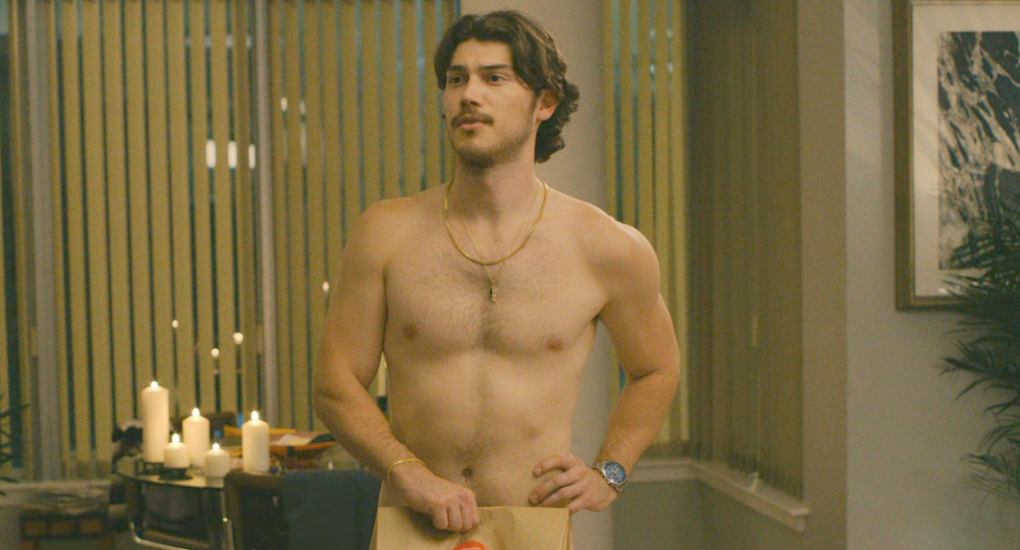
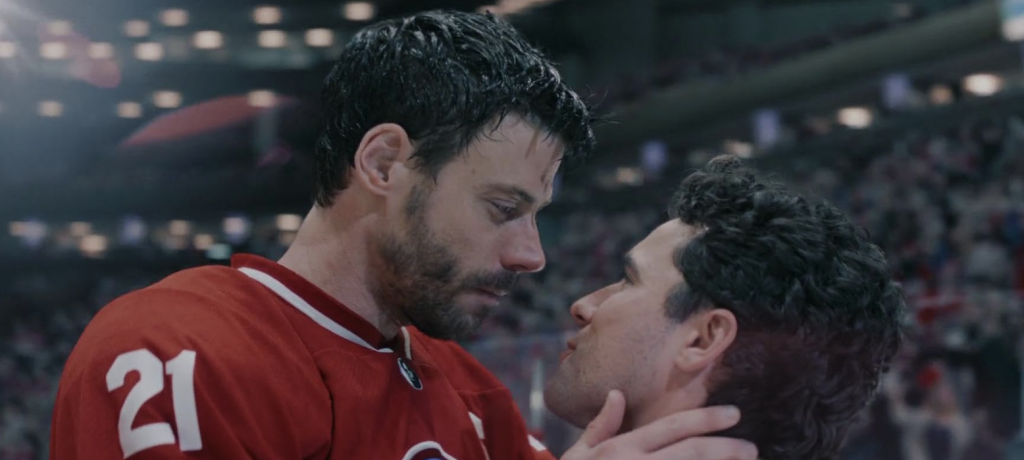
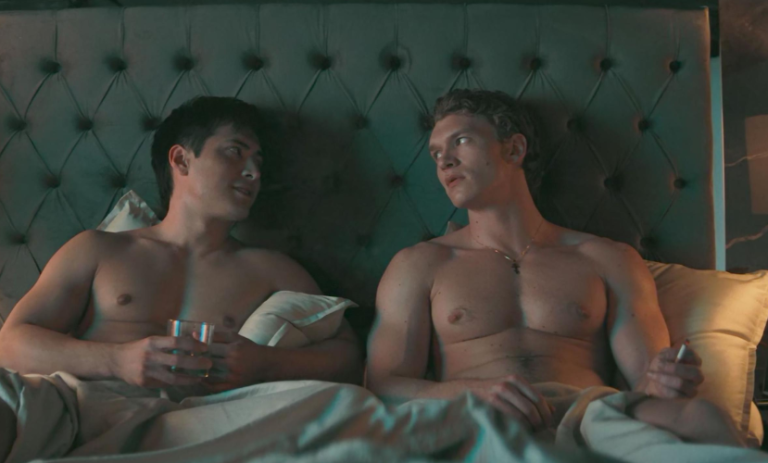
Heated Rivalry season 1 centred on the secret romance between on-ice rivals Ilya Rozanov, played by Connor Storrie, and Shane Hollander, played by Hudson Williams. Season 2 adapts Rachel Reid’s novel The Long Game, where the couple’s relationship buckles under outside pressure. Chief among that pressure is Major League Hockey Commissioner Roger Crowell, the cold-blooded antagonist who tries to keep their love buried.
NHL executive vice president Kim Davis told PR Week that Bettman had already raised the issue with the show’s producers. Davis said Bettman has “shared with the co-producers that what they say about him in the show is not at all the way he would react”. She added: “We have work to do in preparation for that.”
Bettman has actually watched it
The 73-year-old commissioner, who has run the league since 1993, said in January he binge-watched the first season in one sitting and called it “a wonderful story”. He acknowledged the show takes aim at past league decisions, including issues around the Sochi Olympics and the All-Star Game in Tampa, but found the storytelling compelling.
His one note was about the heat between the leads. “The content, particularly for young people, may be a little spicy, so you have to balance that out,” he said.

The Pride night problem
Bettman has overseen LGBTQIA+ inclusion programs at the league, including the You Can Play project, but his record is patchy. In 2023, the NHL banned Pride-themed warm-up jerseys and Pride tape. Those decisions were later overturned after fan and player backlash, but the damage to trust has lingered.
Bettman has defended the original ban as a matter of player consent rather than anti-Pride policy. “It was about the fact of bringing things into the game that might not be embraced by the players wearing the jerseys,” he told PR Week.
The show’s popularity has had an unexpected effect for the league. New viewers have followed the storyline into the 2025-26 NHL season, and queer visibility at games has grown as a result. Whether that goodwill survives season 2’s pointed look at hockey’s leadership is something the NHL is clearly thinking about already.