
My Friend Has Dropped On G. What Should I Do?


We know how to party hard, which is fine, but do we know how to party safe? Knowing a few harm minimisation tactics may save a friend’s life. Or, at the very least, avoid ruining their and your good night out. Gary Nunn asked the experts!
My friend has dropped on G. What should I do?
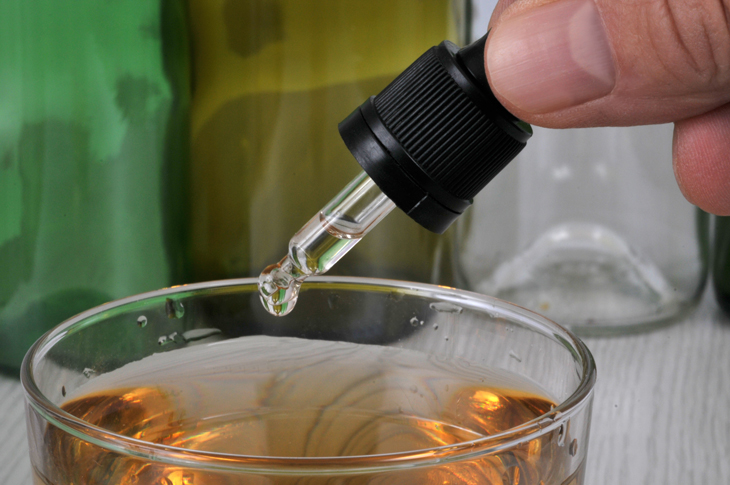
“A GHB drop can have many different symptoms but the most dangerous symptom is unconsciousness or unresponsiveness,” says Jack Freestone, AIDS Council Of NSW’s (ACON) Alcohol And Drugs Manager tells DNA.
“If your friend has dropped on GHB and you cannot rouse them, the best thing you can do is get help. Often people believe it’s okay to let someone ‘sleep it off’ if they’ve dropped on GHB but this is not true. GHB is a central nervous system depressant, meaning it slows down messages travelling between the brain and the body, and can slow down someone’s breathing and heart rate.
“When someone appears to be sleeping after using GHB, they may look okay, there’s the possibility of some very real dangers: that they’re not breathing properly; they’re not getting enough oxygen; and a risk of serious injury or even death. The risk that someone might die after dropping on GHB increases if the person has used another depressant such as alcohol on top of GHB.
“If you’re out partying at a club and your friend has dropped on GHB, there’ll likely be onsite medical teams that will be able to assist. If you’re at an event with ACON Rovers, they’ll always be able to provide assistance and support. As you wait for help, it’s vital to keep your friend’s airways clear and reduce their risk of choking by placing them in the recovery position,” says Freestone.
Dr Brad McKay explains the recovery position: “Lay them on their side, not on their back. This lets them vomit onto the ground in front of them, not into their own lungs while they are asleep. If you’re wearing expensive shoes, don’t stand near their mouth!”
“Don’t panic,” adds Gino Vumbaca, President of Harm Reduction Australia. “The first thing to do is to call 000 for an ambulance or if you’re at a festival or event, the on-site medics if available. The quicker this is done the better. If the police attend as well (unlikely unless they’re called or already on-site at an event) they will not charge you or your friend in relation to the use and possession of G alone, their primary concern will be the health and safety of your friend. The same goes for paramedics: you will not get into trouble from those providing medical assistance.”
Given the correct care, most people quickly recover from a G drop.
My friend is really drunk…
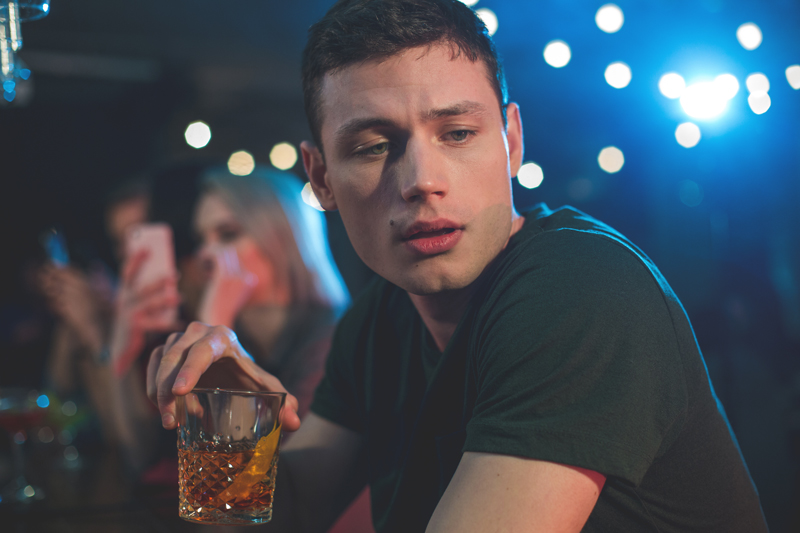
“Stay with them and if possible, get them home or to somewhere safer with trusted people,” says Gino Vumbaca. “Don’t let them wander off or stay slumped somewhere on their own. If they become unresponsive call emergency (000 in Australia) or, if you’re at a festival or event, the on-site medics if available. It’s better to be safe than sorry.”
ACON’s Jack Freestone says: “Sometimes being really drunk is relatively harmless and may just result in a hangover the next day but, in some instances, it can be very dangerous. Call for help if your friend is unconscious, continuously vomiting, having seizures, shaking, has interrupted or slow breathing, and/or has a low body temperature. These are all signs and symptoms of alcohol poisoning, which requires immediate medical support.
“In clubs or at events, onsite medical teams or ACON Rovers will always assist. If you’re at home or at someone else’s home, don’t hesitate to call 000 and ask for an ambulance.”
My friend has double dropped their drugs and is spiralling

Double dropping is when someone takes all their drugs at once instead of pacing themselves over the course of the party. People often do this if they see police officers or sniffer dogs and they fear they are going to be busted for possession, so they swallow everything in one go, which can cause an overdose. This is the consequence of a zero-tolerance drug policy as opposed to a harm minimisation policy.
Dr McKay points out that people do not know what they are getting when they buy recreational drugs. “Doses can be varied,” he says. “A single MDMA tablet could contain one dose, while another seemingly identical tablet might contain three doses. If you double drop the first tablet you’ll get two doses hitting you at once, but if you double drop the second tablet, you’ll get six doses kicking in at the same time and possibly a ride in an ambulance.
“CanTEST is the only drug checking service available in Australia. It’s a confidential harm minimisation service where anyone can have their pills, tablets, capsules or powders tested for free,” says Dr McKay. “Data from testing is readily made available to the public and this provides an insight into what’s being sold on the street. Unfortunately, if people want to access this service, they’ll need to travel to Canberra.”
“Limit the amount of drugs you have,” says Rodney Owen, a counsellor who ran the alcohol and drugs residential rehab facility for the Ted Noffs Foundation. “Overdoses occur when there are too many drugs in your system. By creating a safe limit on how much you’ll consume and sticking to it, you’ll reduce the likelihood of an overdose. Space out the drugs you take during the night. If you take something and you don’t feel its effects, avoid the temptation to take more. Just because you don’t notice its effects doesn’t mean the drug isn’t in the system.”
I don’t know what my friend has taken but they’re acting strange!

“Don’t mix drugs,” says Rodney Owen. “Mixing different drugs, including alcohol, can become more toxic than just one type of drug. John Belushi and River Phoenix had fatal overdoses with multiple drugs in their system. Try to stick to just one substance.
“Some drugs take many days to leave your system, which means they can still cause harm if you follow up with a heavy session. If you know you’re going to party hard on a Friday, take a break from partying on Tuesday, Wednesday, and Thursday.”
Gino Vambuca’s harm reduction tip: “Let your friends know what you’re using, including how much and how often, so if medical assistance is needed, they have an idea what they are dealing with.”
Freestone adds: “If someone you’re with is distressed there are plenty of things you can do to help them. In most cases, they’ll just need a moment to chill out, cool down, drink some water, and re-group somewhere quiet. However, if someone is displaying signs of distress – disorientation, seizures, shaking, inability to stand, walk or speak, continuous vomiting or loss of consciousness – call for medical help.”
“It’s also a bad idea to mix antidepressant medication with stimulants like MDMA as this can lead to serotonin syndrome – causing a rapid heart beat, high blood pressure, dilated pupils, overheating, headache, nausea, vomiting, diarrhoea, muscle twitches, confusion, poor coordination, fainting, and even seizures. Never a good way to end the evening.” says Dr Brad McKay.
Is my friend in the k-hole?

“It’s difficult to comprehensively know about all the ingredients of the drugs someone has taken. We don’t know about how the drugs were prepared. It’s also difficult to be sure about the strength or purity of a drug,” says ACON’s Jack Freestone.
“Several factors might affect how someone responds after using a drug. These include things like the other drugs someone has taken (inclusive of alcohol or prescription medications), whether the person has slept or eaten previously, how hot or cold the environment is, how crowded a space is, and whether someone is in a positive or negative state of mind.
“Given that drugs and our reactions to them can be unpredictable, ACON always reminds people that if they’re going to use drugs, they should always start low and go slow. Remember you can always take more but you can’t take less.”
This is particularly true of ketamine, according to High Alert, an Australasian non-profit. A ketamine overdose is sometimes described as a k-hole, “a feeling of dissociation – the sense of being detached from reality and yourself. This gets more intense at higher doses, to the point where someone may feel numb and unable to control their own bodies, including being able to talk or move.”
The impact of a k-hole is “a very disturbing experience, especially if it wasn’t the intended effect, as the feeling of helplessness can be overwhelming”.
Because high doses of ketamine may cause “numbness and the inability to move or speak, there’s a risk someone can fall and injure themselves or others. It may also not be possible for someone to ask for help if they’re in distress”.
If someone falls into a k-hole they may have difficulty coming out of the state of dissociation – meaning they continue to feel disconnected from the world and their life. There have been reports of people developing ongoing symptoms of psychosis.
In addition to starting low and going slow, users should be particularly mindful not to take k with other depressants like G, alcohol, benzos and opiates, as the combined sedative effect increases the risk of choking, overdose or losing consciousness.
And by low, the experts mean really low; this is why people tend to take ketamine in tiny “bumps” definitely not in lines like they do with cocaine.
My friend is out of it and I don’t think they’re consenting to what’s happening

“If you witness someone having sex with someone who isn’t responsive, asleep, or simply too out of it to consent, you should think about how you can intervene,” Jack Freestone from ACON says.
“If you believe non-consensual sex is taking place, first try to engage with the person who you feel cannot consent. Ask them if they’re okay and if they’re comfortable with what’s happening. If the person cannot respond, then they cannot consent. At this point it’s okay to confront the person having sex with them and ask them to stop.
“If you feel you need support confronting someone who is having sex with someone who has not or cannot consent, try alerting others around you to what is occurring and have them assist you to ensure that any non-consensual sex has stopped.
“Consider what you can do to make the experience safer for the victim after the sex has stopped. What kind of support you can offer will depend on the situation, and this might include supporting the person by calling emergency if they’re unconscious or unwell.
“If your friend or someone you know has told you they’ve experienced sexual assault or if you’ve witnessed someone being sexually assaulted, it’s normal to feel unsure about what to do. Go to ACON’s Say It Out Loud website to download its Bystander Toolkit, which is a resource that walks you through ways that you can respond to help a friend who is a victim of sexual assault.”
Don’t mix poppers with viagra!
“Using drugs like Viagra and poppers at the same time has the potential to dilate blood vessels and as a result, increases the risk of a heart attack,” Jack Freestone from ACON says.
“It can also potentially result in a dangerous drop in blood pressure, which can cause someone to collapse. Given the risk, it is best to avoid using Viagra and poppers together, especially if you have a personal or family history of heart disease.”
MORE: