
Meta’s New Rules: Freedom Of Speech Or Freedom Of Hate Speech?

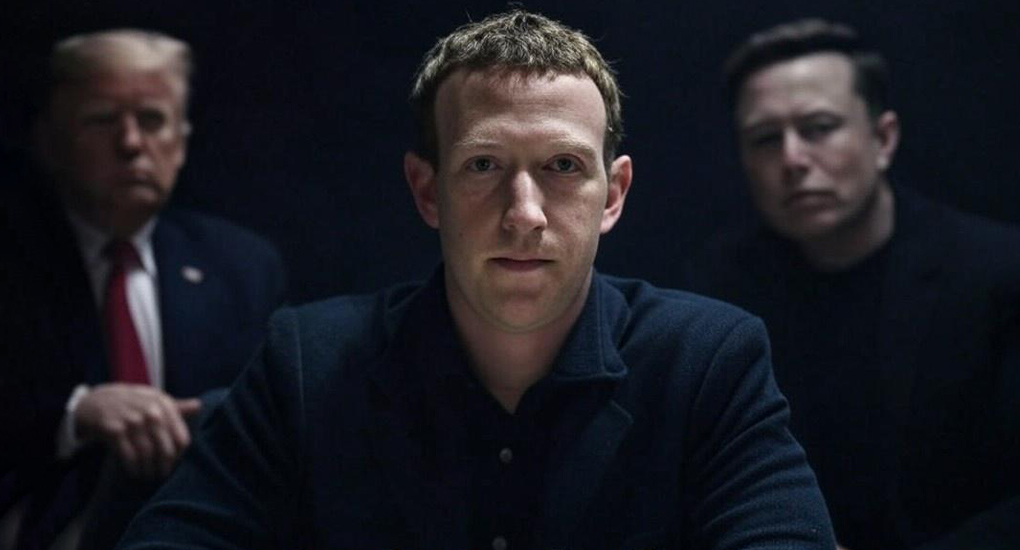
What’s going on at Meta, the tech giant behind Facebook, Messenger, Instagram and Threads? Some eyebrow-raising changes, that’s what.

On January 7, 2025, Mark Zuckerberg rolled out a bold new approach to moderating content: swapping professional fact-checkers for community-driven ratings, at least in the United States. This decision is shaking up online spaces, sparking conversations and concerns about navigating trust, bias, and freedom of expression in the digital world.
Is this a step forward or a stumble backward?
“We’re Letting the Community Decide”
For over a decade, Meta relied on professional journalists, NGOs, and organisations like AFP to fact-check misleading and harmful posts. But Zuckerberg says it’s time to move on. Starting in the U.S., Facebook and Instagram users will now generate “community notes.” These notes, much like those on X, let users add context or corrections to posts, with a validation system meant to reduce bias.
According to Zuckerberg, this shift addresses what he calls a political tilt in traditional fact-checking. He claims professionals have leaned too far one way, eroding trust instead of building it. But does this really solve the problem, or does it create new ones?
“Freedom of Expression” or a Political Play?
Critics say this isn’t just a simple policy change—it’s about politics. Donald Trump’s second presidency is reshaping the tech landscape, with allies like Elon Musk influencing platforms like X to relax content moderation. Meta seems to be following suit, loosening restrictions in ways that critics argue cater to the new leadership in Washington.
Even more controversial are Meta’s updated policies on speech. One document reveals unsettling allowances, like permitting claims that link mental illness to sexual orientation or gender identity “based on political or religious discourse.” The same policy also allows statements referring to women as “household objects or property.” Yes, seriously.
These changes are part of a broader simplification of Meta’s moderation rules. Zuckerberg says the goal is to remove restrictions on hot-button issues like gender and immigration—to reflect “mainstream discourse.” But who decides what counts as “mainstream” today?
Is Trust Really the Goal Here?
Meta’s moves aren’t just limited to moderation. They’re making big changes behind the scenes, too. For instance, Zuckerberg is relocating trust and safety teams to Texas, a conservative stronghold, to avoid what he calls “progressive bias” in California. And in a bid to align with Trump’s administration, Meta has even donated a million dollars to his inauguration fund.
This calculated repositioning has left many wondering: Is Meta chasing freedom of expression, or just favour from those in power? Critics argue the latter, pointing out that the timing aligns too closely with Trump’s victory and Elon Musk’s growing role in his administration.
What’s Next for Speech and Safety Online?
Meta insists this is about making the platform better for everyone. But how does this play out for users, especially marginalised communities? When moderation rules allow hurtful rhetoric disguised as “freedom of speech,” where does that leave individuals on the receiving end?
And here’s another question: Can we really trust a community-driven model to balance bias when everyone has their own perspective? As much as Zuckerberg pitches this as fairer, it feels like a gamble.
One thing’s clear: This approach, paired with relaxed speech guidelines, could change what we see—and don’t see—online. Whether that’s for better or worse remains to be seen.
Platforms like Meta claim to champion free speech. But their rules increasingly echo the ideologies of current power players. And with changes rolling out in the United States first, the rest of the world is watching closely. Europe, for one, won’t be affected for now, thanks to stricter regulations like the Digital Service Act. In contrast, U.S. users will have to navigate this evolving space with little oversight.
The question is, where do we draw the line between open discourse and harmful narratives? For a platform used by billions, the stakes couldn’t be higher.

