
Man Receives Settlement After Church’s Attempted Gay Exorcism

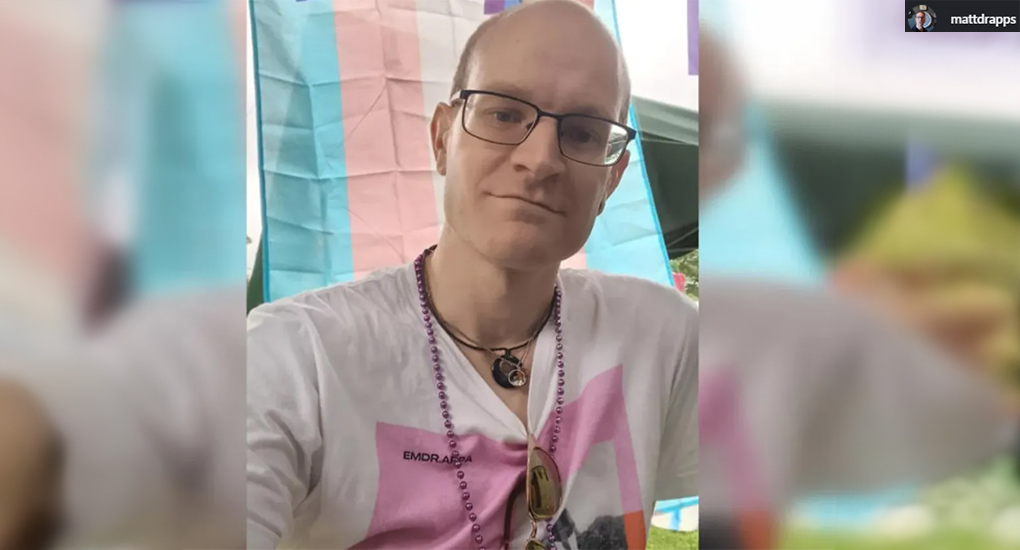
Matthew Drapper, then 26, joined an Encounter God Weekend at St Thomas Philadelphia, a joint Anglican‑Baptist parish in Sheffield, in 2014. Prayer leaders claimed “sexual impurity” had let demons enter him and told him to renounce influences such as Hollywood before commanding those “spirits” to leave. The ritual left him shaking, distressed and, by his own account, suicidal.
Independent probe confirms conversion therapy.
Drapper volunteered at the parish until 2016, but lodged a formal complaint in 2019 after being pressured to stay celibate. The Diocese of Sheffield asked Barnardo’s, the United Kingdom children’s charity, to investigate. Its 2021 review found the prayer session was “in effect an exorcism” designed to change his sexual orientation, a practice widely condemned as conversion therapy.
Five‑figure settlement sets a precedent.
Last week the church agreed to a confidential but substantial payout, believed to be the first damages awarded in Britain for harm caused by an exorcism aimed at “curing” homosexuality.
‘Steps we can take to ensure justice…’
Drapper celebrated on X, writing, “I’ve finally, finally received a settlement… religious organisations will now be held responsible for their behaviour towards LGBTQIA+ people and there are steps we can take to ensure justice!”
He plans to launch the Conversion Therapy and Exorcism Survivors Network so others can share stories and seek support.
The United Kingdom first promised a ban on conversion therapy in 2018, yet the legislation still stalls in parliament. This payout reignites pressure on lawmakers, with campaigners asking, “If the courts recognise the harm, why hasn’t Westminster?”
Where the church stands now.
St Thomas Philadelphia has apologised for failing “to care for a valued member of our community,” but declined further comment after the settlement. Safeguarding advisers say more robust oversight of so‑called deliverance ministries is now essential to prevent similar harm.
Survivors and lawyers alike argue the decision shows spiritual abuse carries tangible consequences. That financial reality, they believe, may do more to end conversion practices than years of stalled political debate.
