
King Charles III Unveils First National Memorial Honouring LGBTQIA+ Veterans

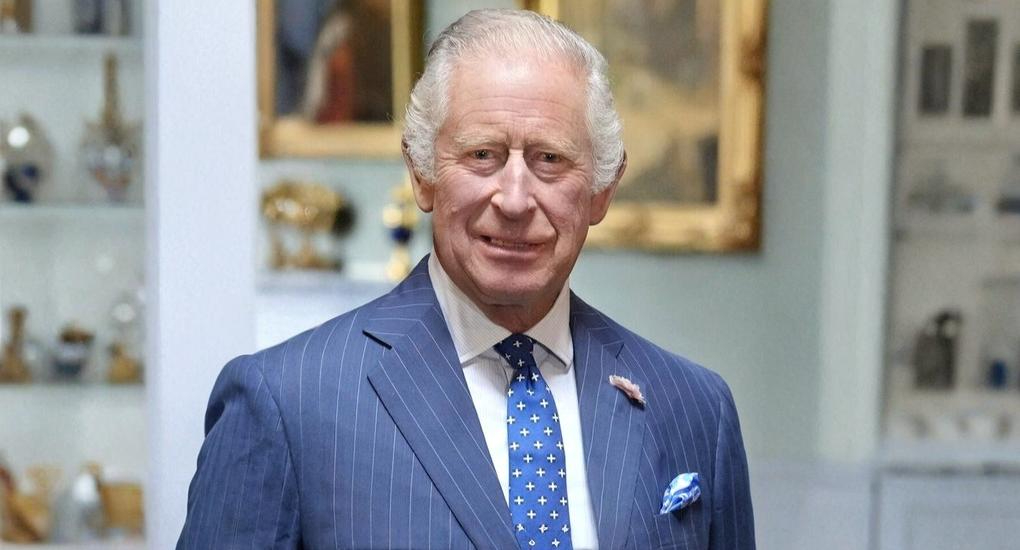
King Charles III took part in the dedication of An Opened Letter, the United Kingdom’s first national memorial to lesbian, gay, bisexual, transgender, queer/questioning, intersex and asexual (LGBTQIA+) service members. The ceremony at the National Memorial Arboretum in Staffordshire marked the King’s first official engagement in support of LGBTQIA+ people. He laid flowers and met veterans who campaigned for recognition.
Britain's King Charles III on Monday laid a wreath at the UK's first memorial honouring the contribution by LGBTQ personnel who served in the country's military. https://t.co/hvEZkhp6Wp pic.twitter.com/1tCZEw32w0
— AFP News Agency (@AFP) October 27, 2025
What the memorial is… and why it matters.
An Opened Letter is a bronze sculpture that looks like a crumpled page etched with words taken from real letters once used as evidence against personnel. Norfolk-based artist collective Abraxas Academy created the piece with funding confirmed by government. The form and text speak to lives interrupted, careers cut short, and dignity reclaimed in public view.
From 1967 to 2000, the UK armed forces enforced a ban that led to intrusive investigations, sackings, loss of medals and, for some, jail time. The European Court of Human Rights decision paved the way for the ban’s end in 2000. In 2023, the government issued a formal apology following the independent Etherton Review into the treatment of affected veterans. A compensation scheme now offers payments up to £70,000 and the chance to correct service records.
Speakers at the dedication described moving from secrecy to pride. “My career has taken me from a life of secrecy, fear and darkness to a career of pride, openness and joy,” said Brigadier Clare Phillips, underscoring what public recognition means to those who served under the ban.
The memorial lands at a time when military service rights remain contested elsewhere. In 2025, the United States moved to reinstate restrictions on transgender enlistment and care, with litigation ongoing. The contrast underlines why visible acts of remembrance and inclusion still matter.
King Charles III lays a wreath during the dedication ceremony for a new memorial to the Armed Forces LGBT+ community at Founders Room National Memorial Arboretum in Alrewas, Staffordshire.
— Getty Images Entertainment (@GettyVIP) October 27, 2025
More #GettyVideo #KingCharles 🎥 Anthony Devlin 👉 https://t.co/OYlSRv3nA0 pic.twitter.com/sexub1AcUg
At DNA, we see this as more than a statue. It is an official record that service and sacrifice were real, even when respect was withheld. It is also a nudge to finish the work: outreach so more veterans apply for recognition and support; education so this history is taught, not buried. What does this moment change for how we remember, and who we honour next?
If you served under the ban.
Veterans who lost rank, pay, medals or their place in uniform can pursue restorative measures and compensation through the government’s scheme. Advocacy groups such as Fighting With Pride are helping veterans navigate the process.
