Is Meta Trying To Erase Queer Culture From Your Feed? Here’s What You Need To Know…

Social media giant Meta has engaged in a massive cleanup of accounts belonging to LGBTQIA+ groups and reproductive health organisations. This crackdown involves blocking hotlines and flagging non-explicit content. According to a report by The Guardian, campaigners are calling this one of the most significant censorship waves seen on the platforms in recent years.
A worrying trend for digital rights.
The restrictions started in October and have targeted Facebook, Instagram and WhatsApp profiles of more than 50 organisations globally. While many are in Europe and the UK, groups in Asia, Latin America and the Middle East are also feeling the heat. Repro Uncensored tracks digital censorship and they recorded 210 incidents of removal or severe restriction this year. That is a sharp rise compared to just 81 incidents last year.
Martha Dimitratou is the executive director of Repro Uncensored. She noted that since the new US presidency, there has been a definite increase in account takedowns worldwide. She described it as a ripple effect spreading beyond the US borders.
Queer voices are being silenced.
While reproductive health pages have been hit hard, the LGBTQIA+ community is facing a parallel erasure. Independent reporting confirms that around 50 accounts connected to queer topics were deleted or blocked alongside health providers. NL Times reported that The Queer Agenda, an Amsterdam‑based account focused on queer issues, was quietly removed during this recent wave of takedowns.
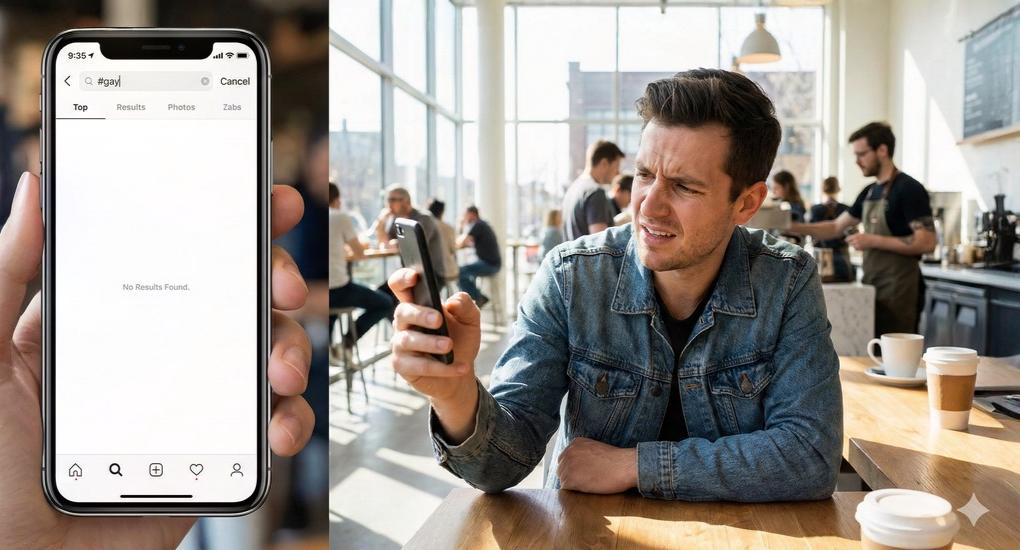
This follows a disturbing pattern regarding discoverability. LGBTQ Nation noted that Meta recently tagged key hashtags like #gay, #lesbian, #trans, #queer, #nonbinary and #bisexualpride as “sensitive content” under a policy aimed at limiting sexually suggestive material.
The impact was immediate. Teenagers with default filters saw blank search results when looking up these terms, effectively hiding LGBTQIA+ posts from discovery. While Meta later claimed this was a “mistake” and reversed the restrictions after public scrutiny, the incident highlighted how easily our digital existence can be toggled off.
Meta denies targeting specific groups.
Why is this happening now? The tech company denies there is an escalating trend of censorship. They stated that every organisation is subject to the same rules and claims of enforcement based on advocacy are baseless. Meta insists their policies on abortion content have not changed. However, activists argue this mirrors a US-centric approach to women’s health and LGBTQIA+ issues that is now spreading globally.
Losing access to digital platforms cuts off vital support networks. Campaigners have accused Meta of being unresponsive and offering vague reasons for the bans. In some cases, a Meta consultant reportedly invited organisations to a closed-door briefing but explicitly stated it was not an opportunity to critique practices or offer policy recommendations.
Voices from the community are silenced.
Several groups have shared their frustrations. The Guardian added that Women Help Women has used Facebook for 11 years but faced an outright ban recently. Executive Director Kinga Jelinska noted that the ban could be life-threatening, as it could push people toward dangerous information sources. Meta claimed the page violated standards on prescription drugs. Jelinska described the explanation as opaque and laconic.
Meanwhile, Colombian feminist group Jacarandas saw their WhatsApp helpline blocked and reinstated three times. Viviana Monsalve expressed how difficult it is to plan for the future without cooperation from the platform. She noted they received little information on whether the bans would continue.
The impact of shadow banning.
It is not just outright bans causing concern. Many accounts face shadow-banning where their visibility is severely restricted without notice. Fatma Ibrahim from Sex Talk Arabic said their page received weekly messages about not following rules. One warning cited a new nudity policy regarding an artistic depiction of a couple obscured by hearts. Ibrahim criticised the moderation as being US-centric and lacking cultural context.
While Meta admits the appeals process has become slow, they maintain that they aim to reduce enforcement mistakes. However, for the organisations on the ground, the lack of clarity remains a major hurdle to their work.