
Hungary Targets Pride March And Restricts LGBTQIA+ Rights And Recognition

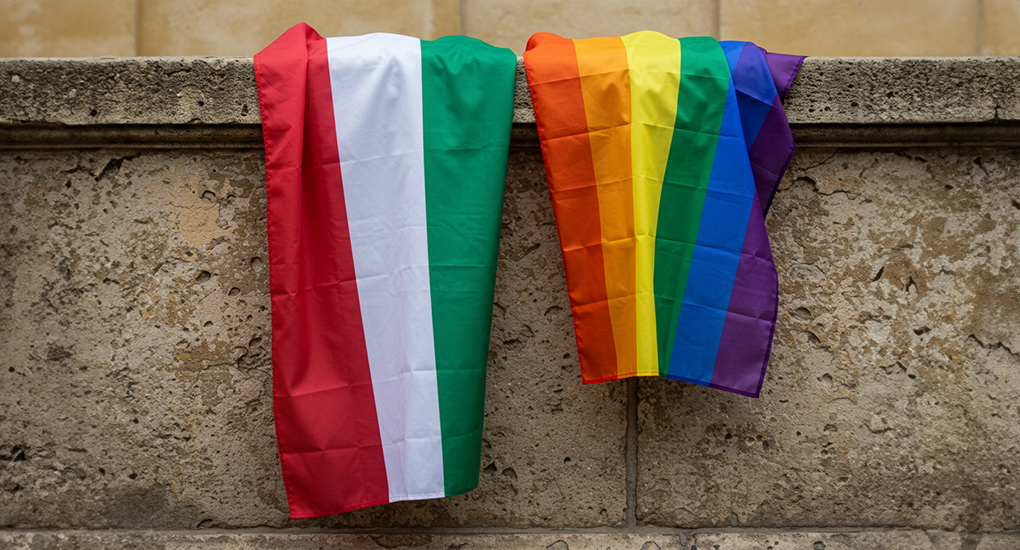
Hungary’s parliament just rubber-stamped a constitutional change giving the government the green light to restrict LGBTQIA+ public events, yes, including Pride. The amendment also digs in deeper on controversial views about gender, embedding them into the country’s core legal text.
Today, in the heart of Budapest, voices rose against silence.
— European Democrats (@democrats_eu) April 14, 2025
Citizens marched not only for Hungary, but for the soul of Europe.
Against a regime that fears freedom, they chose courage.
Against a constitution rewritten to repress, they chose resistance.
Their voices are our… pic.twitter.com/1FTY2ng20O
The amendment, proposed by Prime Minister Viktor Orbán’s ruling Fidesz KDNP coalition, passed with a two-thirds majority, following party lines. The vote occurred despite attempts by opposition politicians and protestors to block access to the parliamentary building physically. Reports indicate police intervened, physically removing demonstrators who had linked themselves together. This marks the fifteenth change to Hungary’s constitution since Orbán’s party drafted it in 2011.
Spotlight On Pride And Public Events
What does this mean on the ground? The amendment solidifies a law rushed through earlier this year that targeted LGBTQIA+ public events. This puts high-profile gatherings like the annual Budapest Pride march, which typically draws thousands, directly in the government’s crosshairs. The justification leans on Hungary’s contentious “child protection” legislation, which bans the portrayal or promotion of homosexuality to anyone under eighteen.
Disturbingly, associated laws also permit authorities to employ facial recognition technology to identify attendees at any prohibited events. Those identified could face substantial fines, reportedly up to around 200,000 Hungarian forints (approximately AUD830). Ádám Remport, a lawyer with the Hungarian Civil Liberties Union (HCLU), highlighted the danger, noting the “chilling effect that arises when people are scared to go out and show their political or ideological beliefs for fear of being persecuted.”
Impact On Trans And Intersex People
The amendment doesn’t stop at public assembly. It explicitly writes into the constitution that only two sexes, male and female, are recognised. This builds upon previous changes that effectively barred same-sex adoption by defining a mother as a woman and a father as a man.
🚨🇭🇺🏳🌈BREAKING NEWS:
— Update NEWS (@UpdateNews724) April 14, 2025
It is reported that the constitutional amendment banning LGBTQ+ events in Hungary has been approved.
Do you agree? pic.twitter.com/ghFmqtf58u
Critics argue this provides a constitutional weapon to deny the identity of transgender Hungarians and ignore the existence of intersex people. Government spokesperson Zoltán Kovács stated the change clarifies that “legal norms are based on biological reality,” insisting it isn’t an attack on self-expression.
However, Dánel Döbrentey, another lawyer from the HCLU, offered a starkly different perspective. He described it as “a clear message” intended purely for “humiliating people and excluding them… even from the community of human beings.” He also dismissed the government’s child protection justifications as “pure propaganda.”
Democracy And Dissent Under Pressure
Opposition figures see these latest moves as part of a worrying trend. Dávid Bedő, an opposition lawmaker involved in the protests, stated that Orbán and Fidesz “have been dismantling democracy and the rule of law” for years, suggesting the process has accelerated recently. He believes the government, potentially lagging in polls ahead of the 2026 elections, will “do everything in their power to stay in power.”
Hungary's parliament approved a constitutional amendment permitting the government to prohibit public events by LGBTQ+ communities. No more Pride in Hungary. pic.twitter.com/AlOU04mlcf
— Ian Miles Cheong (@stillgray) April 14, 2025
These actions occur within a broader context where the Hungarian government actively campaigns against what it terms “woke ideology” and “gender madness,” while simultaneously cracking down on critical media, civil rights organisations, and anti-corruption groups, often accusing them of undermining national sovereignty through foreign funding. Prime Minister Orbán himself has used inflammatory rhetoric, vowing to eliminate what he called a “shadow army” of critics.
The amendment also includes provisions allowing the suspension of citizenship for dual nationals from outside the European Economic Area if deemed a security threat, further tightening the government’s control. For LGBTQIA+ Hungarians and their allies, this constitutional change represents a significant setback and a concerning sign of the times.
