
HIV Rates Among Russian Troops Surge Amid Ukraine Invasion

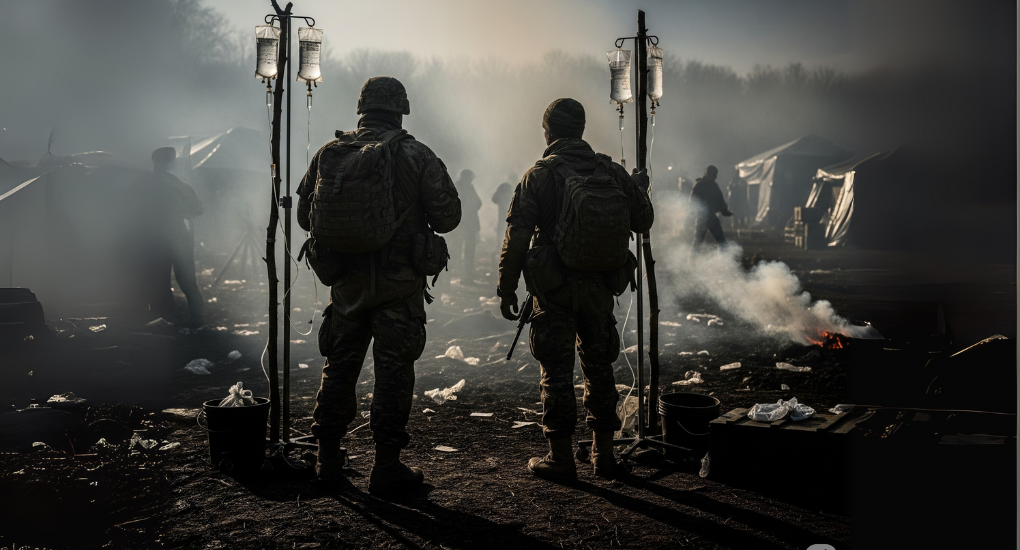
New figures from Russia’s own defence doctors show fresh HIV diagnoses among soldiers have soared fortyfold since the first tanks rolled across the border into Ukraine in 2022. Life on the front line is brutal and short, so some conscripts are “living like there’s no tomorrow”, an epidemiologist told The Times. The mix of untreated trauma, scarce condoms, and makeshift injections for pain relief has created a perfect storm for blood-borne infection.

Supply chains and stigma block treatment.
Russia is already among the top five countries with the largest HIV-positive populations, yet barely half of those who need antiretroviral therapy receive it. War has disrupted drug imports and drained medical staff. Soldiers who test positive often land in field hospitals that lack sterile syringes, clean transfusion kits, or consistent medication.
Prisoner recruits add to the numbers.
In a rush for manpower, the Kremlin recruited prisoners. HIV-positive inmates were offered HIV drugs in exchange for six months on the frontlines. As one captured infantryman told The New York Times, “I understood I would have a quick death or a slow death. I chose a quick death.” The comment underscores a grim calculus: fight and maybe live, or stay home and watch your immune system collapse.
Ukrainian intelligence claims roughly one in five of those recruits is HIV-positive. Former drug dealer Ruslan said he signed on because the pills behind bars were useless, and pneumonia had already set in at a Wagner training camp. His story is not unique.
Can the epidemic be contained?
Public-health NGOs say the Kremlin’s crackdown on “undesirable” organisations, including the Elton John AIDS Foundation, has stripped frontline clinics of expertise and condoms. Will Russia accept outside help before the virus claims more troops than artillery ever could? The answer, for now, is tangled in politics, prejudice, and war fatigue.
