
Jake Gyllenhaal Calls Henry Cavill His Husband In “In The Grey”, Yet We’re Not Informed

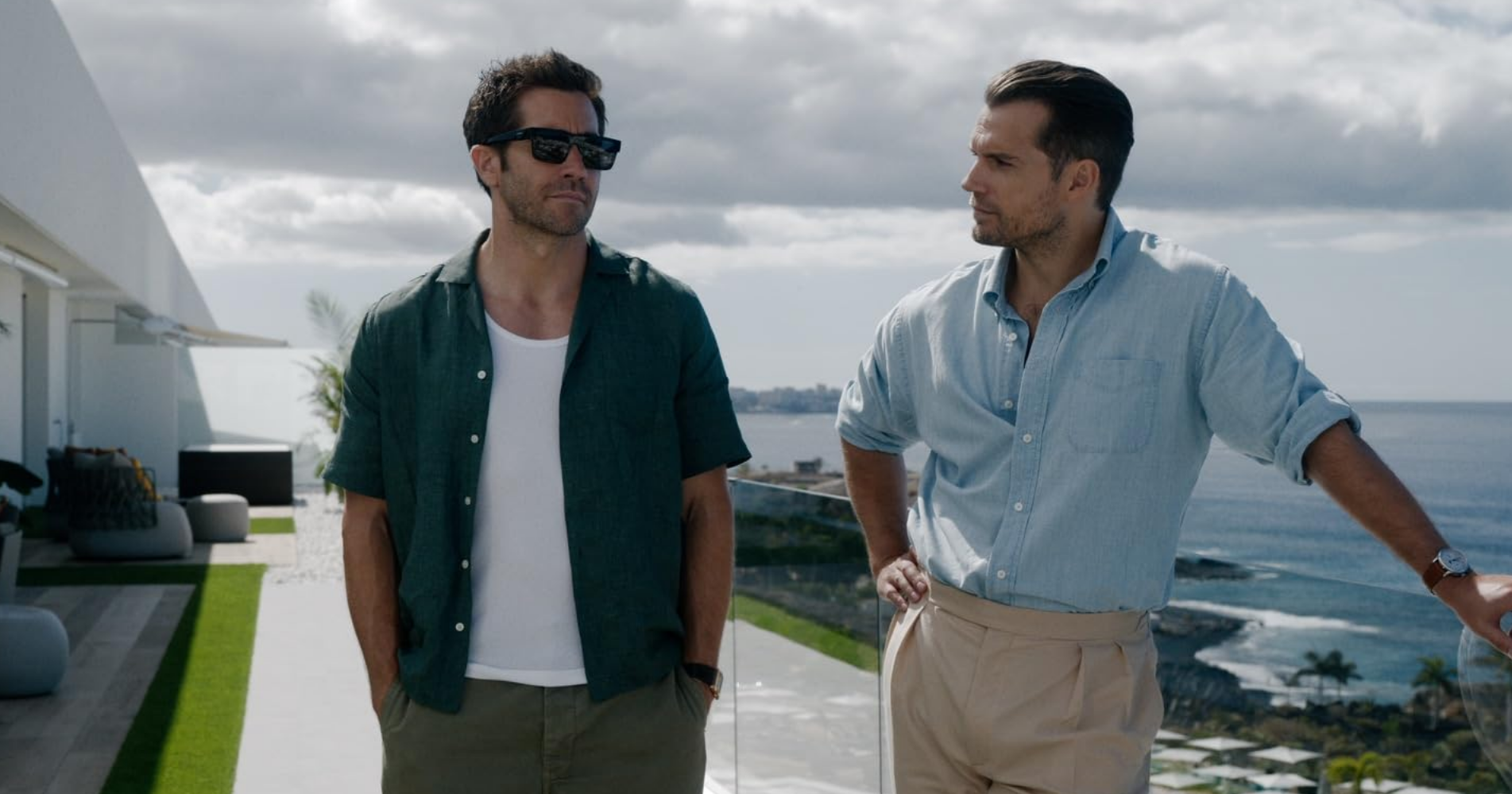
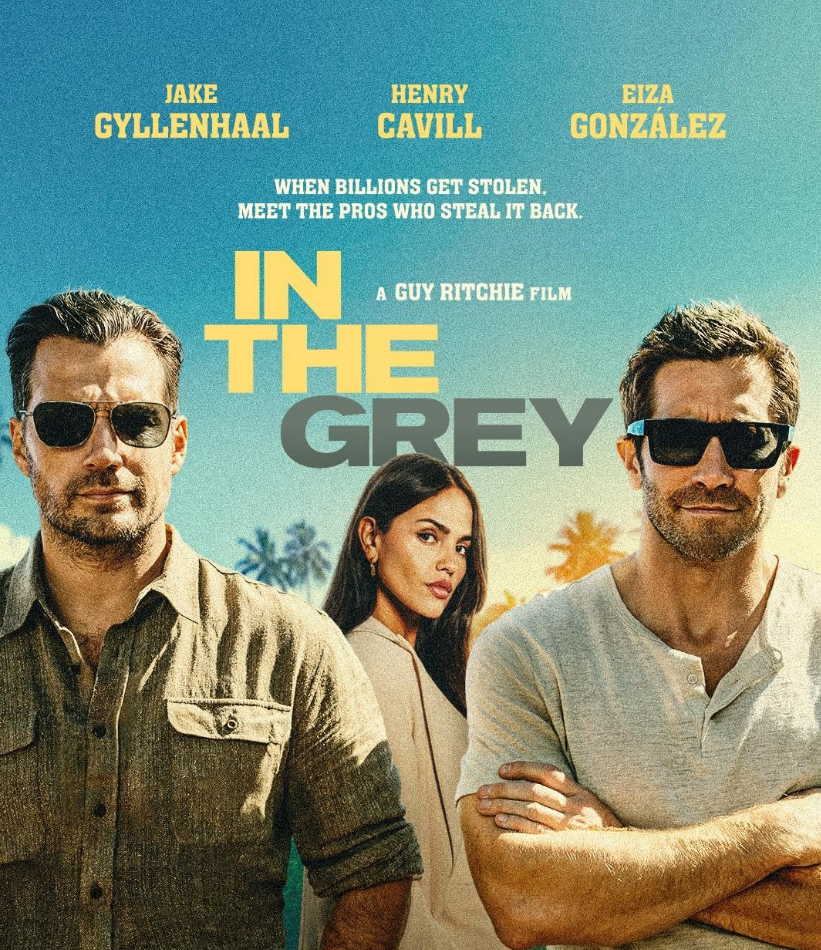
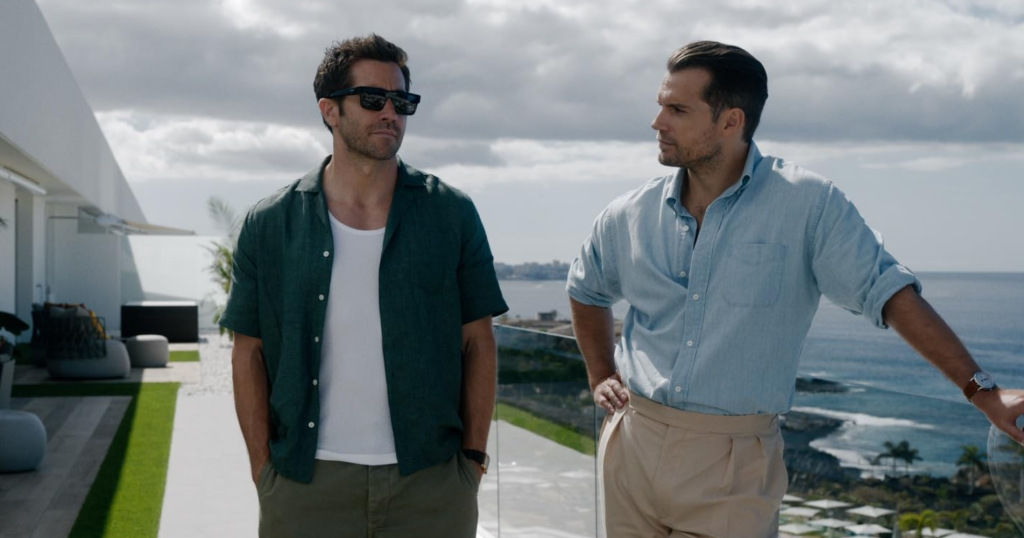
There is a new Guy Ritchie action film in cinemas. You almost certainly haven’t heard of it, which is also the problem. It’s called In the Grey, it stars Jake Gyllenhaal and Henry Cavill, and according to a steadily growing pile of film critics, the two leads are essentially playing a married couple.
This is the kind of casting news that should have sent a shockwave through gay group chats. Instead, the studio kept it locked in a vault, threw away the key, and now everyone is wondering why nobody bought a ticket.
Released by Black Bear on 15 May 2026 (with Lionsgate retaining digital and pay-TV rights), In the Grey opened to roughly $3 million across 2,018 theatres in North America, finishing sixth at the domestic box office.
It got narrowly outgrossed by, of all things, the 40th anniversary re-release of Top Gun paired with Top Gun: Maverick, which earned around $3.1 million across the same weekend. Coming Soon reports this is Guy Ritchie’s worst theatrical opening in 18 years.
For a film headlined by two of the most photographed faces in modern action cinema, that’s not a stumble. That’s a face-plant in slow motion.
Wait, Receipts Please
The queer-coded reading isn’t being whispered by anonymous Letterboxd accounts. It’s coming from the major desks. Writing in The Guardian, critic Benjamin Lee said Gyllenhaal and Cavill “are for all intents and purposes playing a gay couple,” and added that the script even nods at prison sex along the way.
The specifics are what tip the scales. Cavill’s character Sid and Gyllenhaal’s Bronco pose as a married couple to slip into a hotel, which is queer-coded shorthand cinema has been using since the Hays Code.
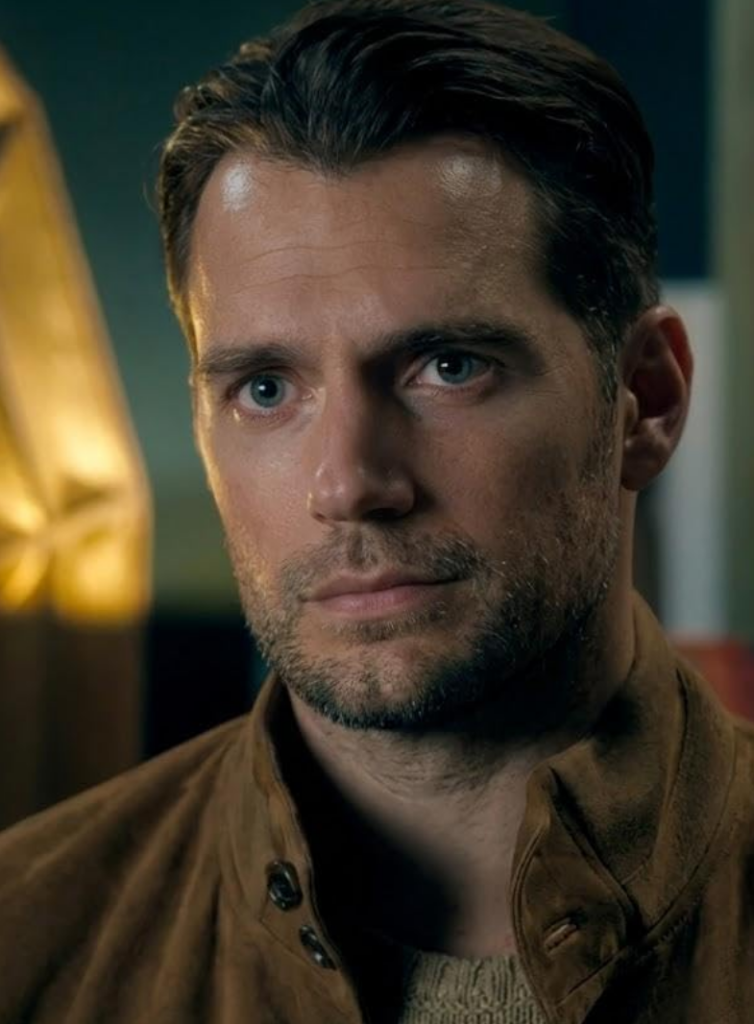
Bronco later refers to Sid as “my husband” in front of their entire mercenary crew, and the crew, bless them, doesn’t even blink. During a tense extraction sequence, as Sid leaves the truck to set off a distraction, Bronco calls after him, “I love you.” Sid glances back without a word. Critic Matt Zoller Seitz, writing for RogerEbert.com, put it best: the moment is “funny, but it’s not treated as a joke.”
Then there’s the way Sid hovers over Bronco’s habits and posture, a kind of low-key surveillance that reads less “elite mercenary” and more “live-in boyfriend who’s slightly worried you forgot to take the bins out.”
That’s not subtext. That’s text wearing a very thin trench coat.
The Promo That Forgot the Gays Exist
Here’s the part that will haunt a marketing department somewhere for the rest of the year. With a budget reportedly as high as $70 million, PinkNews confirmed there was no major press tour. Neither Gyllenhaal nor Cavill posted about the release on their own social media. Ahead of opening night, In the Grey had just four reviews on Rotten Tomatoes.
It currently sits at 46% from 48 critics. The audience score, however, is 84%, which is a polite way of saying the people who actually showed up loved it. That gap between critics and the audience is the sound of a queer-coded action film finding its people in spite of the marketing, not because of it.
Consider for a moment who these two actors are. Henry Cavill has spent the past decade being passed around the internet as the perpetual queer Superman of fan-cast Twitter. Jake Gyllenhaal played gay opposite Heath Ledger in Brokeback Mountain, took a queer role in 2019’s Velvet Buzzsaw, and has been the patron saint of soft-eyed cinematic longing since Donnie Darko. Between them, these two have queer audience equity built up like an offshore trust fund. Black Bear left every cent of it sitting in the account, untouched.
A modest queer-marketing push, two clips of the “my husband” line on TikTok, a single quote tweet from either lead, and In the Grey would have had a fortnight of viral oxygen. Instead the campaign treated the queer reading like a leak that needed plugging.
The Cast and the Director Who Should Have Read the Room
Guy Ritchie wrote, produced, and directed the film. He’s no stranger to hyper-masculine bromances. His name appears next to Lock, Stock and Two Smoking Barrels, Snatch, Sherlock Holmes and The Gentlemen. In the Grey slots neatly into his deadpan banter and stylised procedural action mode.
The cast around the two leads is genuinely strong: Eiza González, Rosamund Pike, Kristofer Hivju (yes, Tormund from Game of Thrones), and Fisher Stevens. The plot follows Sid and Bronco as mercenaries hired to recover a huge debt from a dictator. The bones of a perfectly enjoyable action film are there, and the bones of a great queer cult film are also there. The marketing team picked neither bone to chew on.
What the Gay Audience Would Have Done
Cards on the table. Queer audiences are the single most reliable engine for turning gay-coded mainstream films into long-running cultural objects.
Ask anyone still posting about the shirtless beach football scene in Top Gun: Maverick four years later, despite the fact that it has nothing to do with the plot. Ask Bottoms. Ask Challengers and that one churro shot that did more for Zendaya’s box office than any trailer.
When critics openly call your leads a couple and your audience hands you a free marketing angle on a silver platter, the move is to lean in. Politely. Cleverly. Not to retreat behind a press release no one read.
The Fight Mag argues the dynamic ultimately walks itself back into a “defensively straight” bromance, and that’s a fair read. But the moments that play queer are real, intentional or not, and they’re now sitting on the cutting-room floor of the marketing department like crime-scene evidence.
Should You Actually See It?
If you like Guy Ritchie’s vibe, two enormous men in tactical gear pretending not to be in love, and queer-coded action with the volume turned just slightly down, yes. In the Grey is in cinemas now and well worth the ticket if you can find a screening. Critics gave it 46%, audiences gave it 84%, and somewhere between those two numbers is a film that knew exactly what it was. Even if its marketing didn’t.

