
Gay Men Can Be Priests But… No Sex! And No “Flaunting It”!

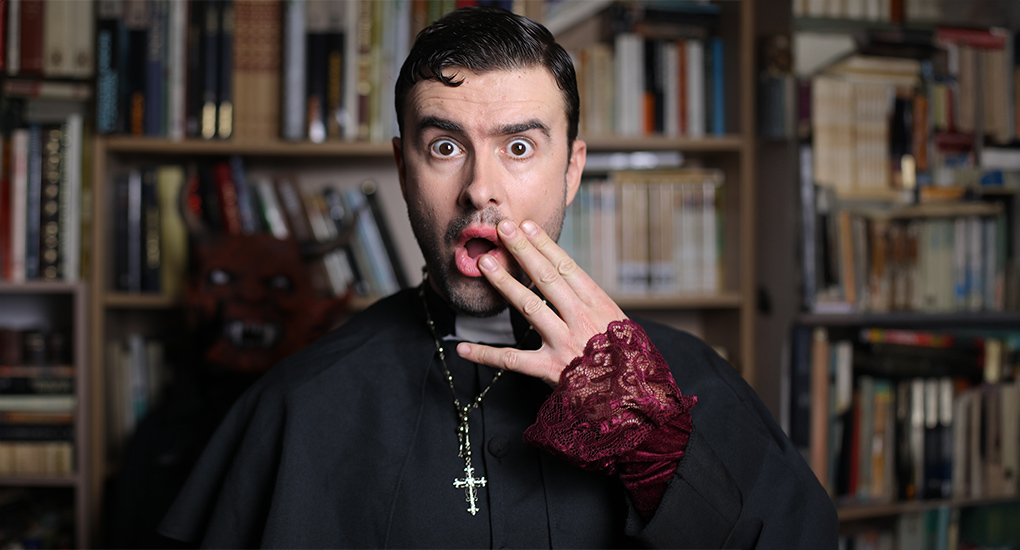
The Catholic Church has stirred fresh debate with its recent guidelines approved by the Vatican, allowing gay men in Italy to train as priests but on one condition: they must not “flaunt” their sexuality or support what the Church refers to as the “so-called gay culture.” This nuanced stance, outlined in a 68-page document, reflects ongoing tensions between tradition and progress in a Church grappling with its approach to modern issues.
“Who Am I to Judge?”
The Italian Bishops’ Conference announced these updated rules, opening the door for gay men to attend seminaries and train for the priesthood. While the guidelines stress the importance of celibacy, they also introduce a striking caveat. Any candidate who openly supports or celebrates LGBTQIA+ culture or whose sexuality is perceived as deeply ingrained will be disqualified.
Yet the Church claims to approach this matter respectfully, advising seminaries to consider each candidate’s “global personality” and strive for “overall harmony.” It’s a move that attempts to balance traditional expectations with a nod to modern sensibilities, though it hasn’t been free from criticism.
“To accept a gift, to freely choose and live chastity in celibacy,” is framed as the ultimate goal of priesthood training. The Church appears to be walking a tightrope: acknowledging the reality of gay candidates while maintaining its historical stance on sexual orientation and behaviour.
A Long Road to Inclusion
Pope Francis has often been seen as a reformer, steering the Catholic Church towards a more inclusive direction. Back in 2013, the famous words “Who am I to judge?” brought hope to countless LGBTQIA+ Catholics. Under Francis’ leadership, many saw a softer, more compassionate tone emerge, especially when compared to past pontiffs.
But progress has been mixed. Just last year, the Pope used a derogatory slur in a private meeting with Italian bishops to describe concerns about gay priests in seminaries. While this sparked backlash, it also underscored the challenges of navigating a centuries-old institution whose doctrines often clash with current cultural norms.
Francis has also faced criticism for holding firm to official Church doctrine, which continues to define same-sex acts as “intrinsically disordered.” Despite his warmer tone, the rules of the Church have remained largely unchanged.
“A Step Forward” or a Half-Measure?
Some advocates see the new guidelines as a win albeit a cautious one. Francis DeBernardo of New Ways Ministry, a US-based Catholic organisation for LGBTQIA+ individuals, praised the document for offering clarity. “This reduces the ambiguity that has caused fear and discrimination in the Church,” he told ABC.
On the other hand, Jesuit priest James Martin views the guidelines as a small but significant shift. For the first time, he noted, a Vatican-approved document acknowledges that being gay should not automatically disqualify someone from priesthood. The focus, it seems, is shifting toward how candidates live their lives rather than who they are.
But critics argue that the glaring contradiction remains: how can one respect a person’s identity while simultaneously barring them from embracing it openly?

