
There’s a lot of confusion around the upcoming referendum to establish a First Nations’ Voice to parliament in the Australian Constitution.
The arguments against the Voice are characterised by misinformation and untruths, while the campaign in favour has been lacklustre and done nothing to counter the misinformation.
The No case has perpetuated fear and sowed doubts. The Yes case has relied on the proposal being simple and therefore not requiring explanation.
Here’s the question as it will appear on the ballot when you turn up to vote on October 14:
“A Proposed Law: to alter the Constitution to recognise the First Peoples of Australia by establishing an Aboriginal and Torres Strait Islander Voice. Do you approve this proposed alteration?”
The Voice can’t make laws. It can’t override parliament. It can only advise government and the public service on policies that affect First Nations people, and this advice doesn’t have to be accepted.
We are being asked to enshrine this body into the Constitution so that it can’t easily be cancelled by future governments.
What are the details? How will it work? Who gets to make the advice? These are good questions, but they are not what we are being asked to vote on. The Constitution must not include this detail. It will be the governments of the day that will create and change the legislation around the who, how and what. This is so the Voice stays relevant and fit for purpose over the years.
What we are being asked is much more straightforward: do we think there should be a body of First Nations people who advise the government on First Nations issues? We are not being asked to decide on the detail.
And do we think First Nations people should be recognised in the Constitution?
For me, the answer is yes. After decades of different government policies, the lives of Aboriginal and Torres Strait Islander people are not improving; whatever we are doing is not working. For First Nations people, incarceration rates are too high and education levels are too low; infant deaths are too high and life expectancy is too low, employment and training outcomes are lower than non-Indigenous peoples.
An advisory body is what Aboriginal and Torres Strait Islander people have asked for in the Uluru Statement From The Heart. I encourage you to read it. It isn’t radical. It’s a rational and reasonable proposition, and it’s only one page.
Not all First Nations people support The Voice. Some are in favour of a Treaty instead. There is no reason why the Voice would prevent the conversation about a Treaty moving forward. I think the Voice can only accelerate that conversation. What’s more, if the referendum fails, any discussion about Treaty will be regarded as politically unpalatable and will be put back by decades. And in the meantime, health, education, and incarceration outcomes will not be improved.
There are some appalling lies being peddled about the Voice, so let’s be clear: It will not give Aboriginal people the power to take away your house and property. It will not give them the power to overrule government. It will not force white people out of parliament.
Many No campaigners have said it will divide Australians. We are already divided by the social disadvantages I previously mentioned. Surely, closing that gap will bring us closer together?
I’ll be voting Yes. As a little boy growing up in suburban Western Australia, I witnessed Aboriginal disadvantage among my classmates. Even as a child, it was easy to see. I’m now 57 and not much has changed. A No vote is a vote for accepting things as they are, and I can’t.
I also believe that the Coalition’s No campaign is motivated simply by the desire to see a progressive reform fail. They are playing politics. It has nothing to do with their concern for Aboriginal people or representation or even the Constitution.
Indigenous people have always been part of the LGBTQIA+ community. In the ’70s, a popular protest chant was, “Stop police attacks on women, gays and black.” We were in it together. The LGBTQIA+ world has achieved so much since then. Our First Nations brothers and sisters still need our support.
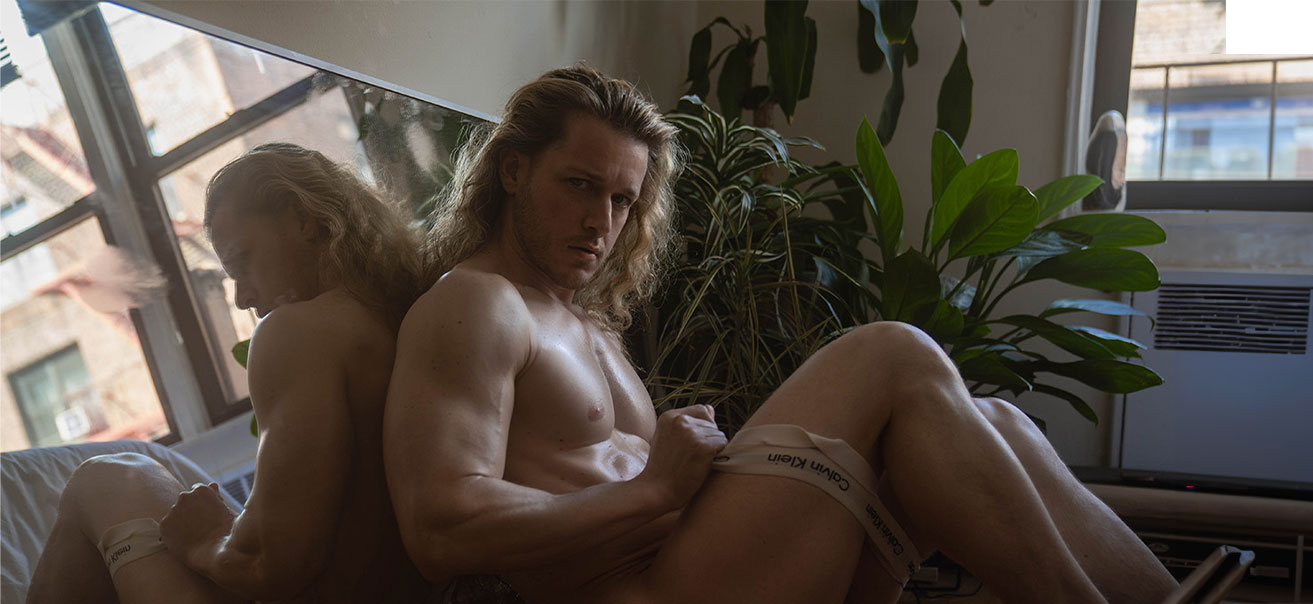
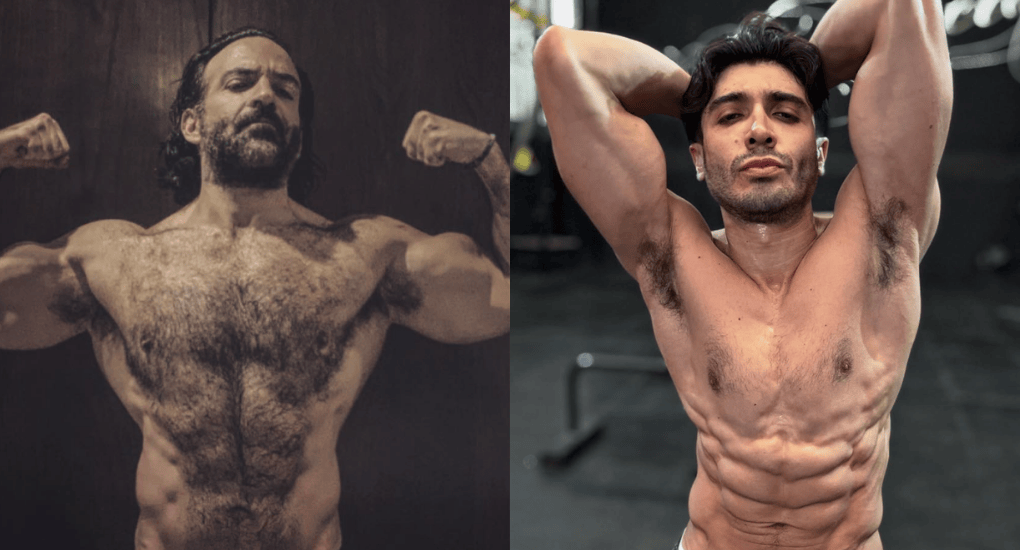
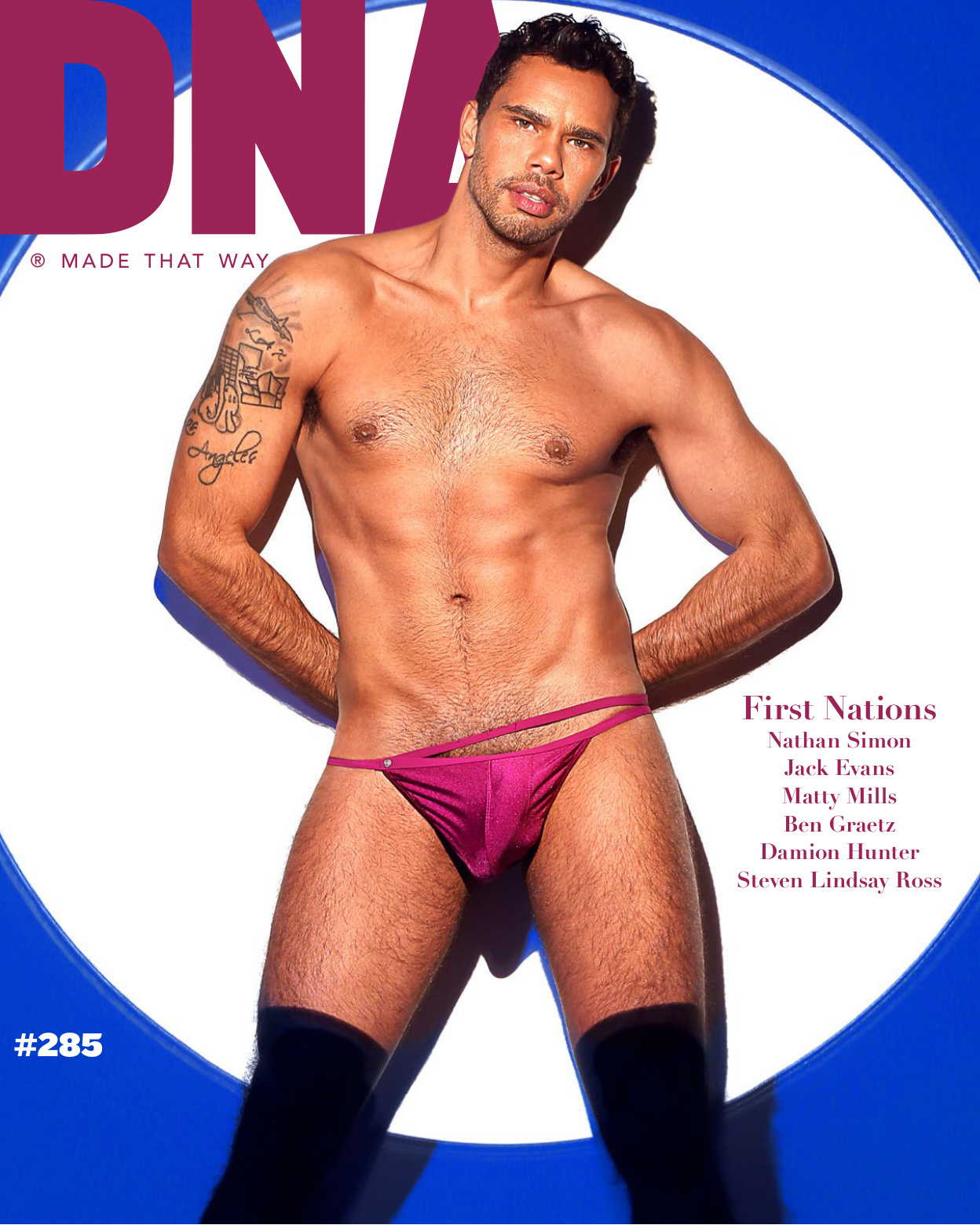
This month we have invited some of our First Nations LGBTQIA+ community to share their stories. Their positivity is infectious. I’m extremely grateful for their contributions and generosity and appreciate the work that both Matty Mills and cover model Nathan Simon put into their photoshoots.
There is much to read in this issue, but I also hope you find out more about the Voice and make an informed decision. And please, be wary of social media and online campaigns. Look to trusted sources of information.
Andrew Creagh, Founding Editor
Email your feedback to [email protected]
________________________________________________________________________