From The Editor: DNA #300 – 25 Years Of Sexy Pics And Serious Reads

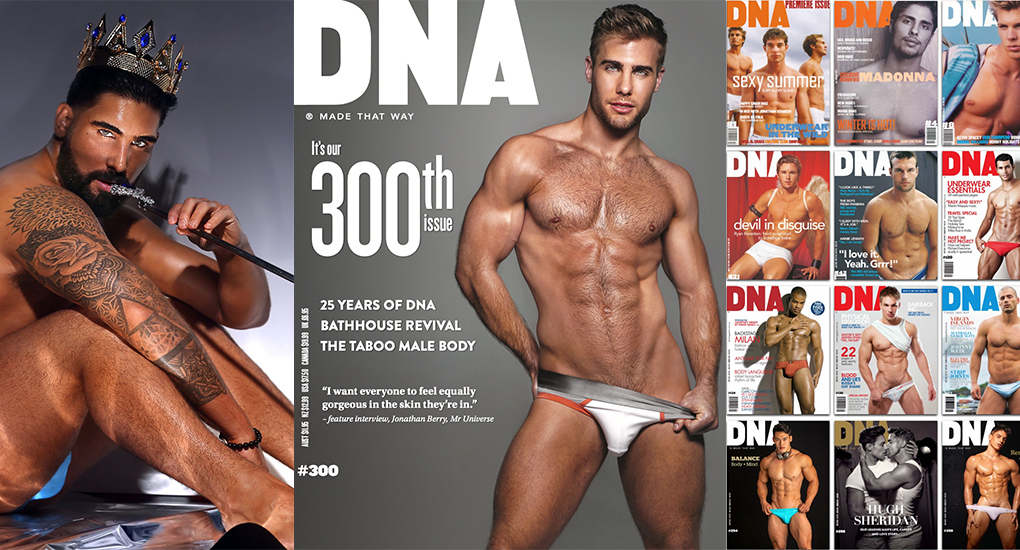
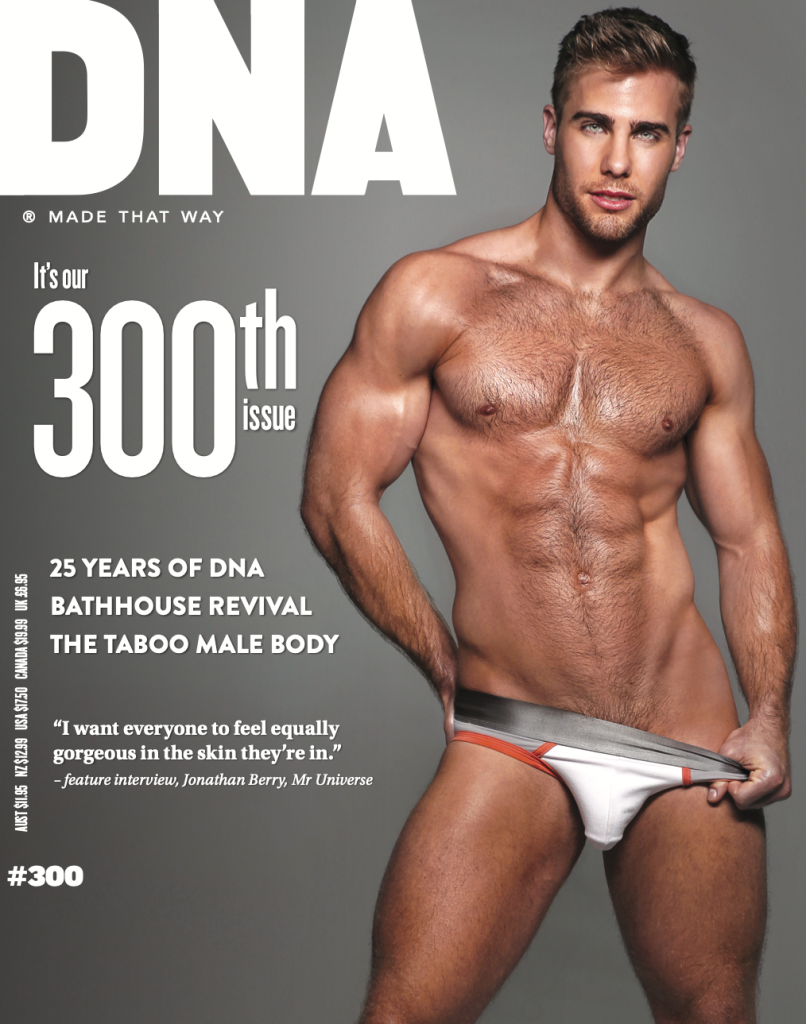
This month at DNA, we celebrate our 25th anniversary, which also happens to be our 300th issue.
Do I remember much about putting the first issue of DNA together? Yes. We had rented two tiny rooms in a building that used to be a brothel and worked tirelessly for three months to set up the business and make DNA #1. It was exciting and kind of reckless because I did not have the finances to sustain a start-up company! But I had edited a lot of magazines for other companies, and I had a very strong idea about what DNA would be: entertaining, informative and unashamedly sexy.

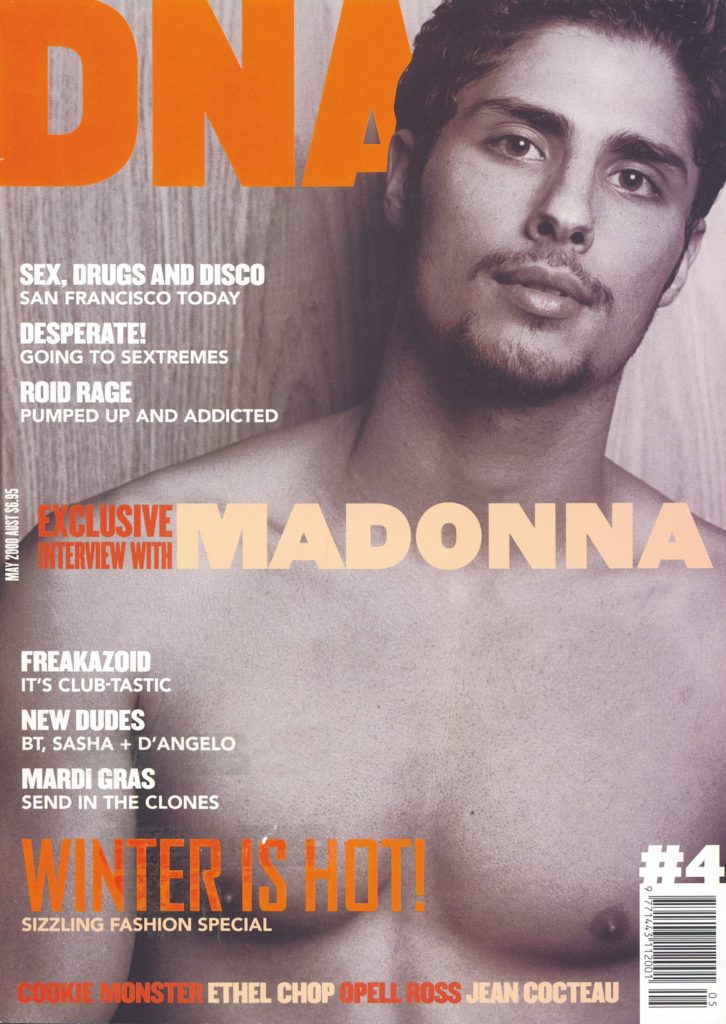
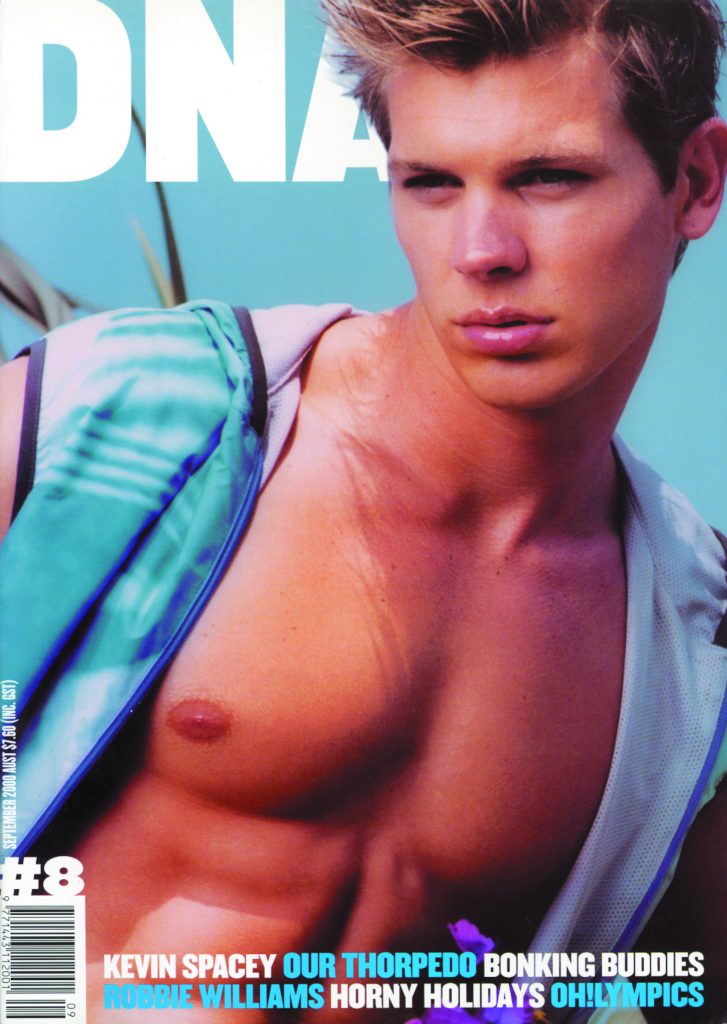
One of my inspirations was Playboy. Yes, they had bunnies and naked celebrities, but people also “read it for the stories,” and they had great writers. Marie-Claire was similar – a fashion magazine, but with news features you’d expect to see in Time, not alongside the latest frocks.
I wanted DNA to be able to tell the difficult-to-read, uncomfortable stories about the lives of LGBTQIA+ people around the world, the stories from our history and within our culture. That meant reporting on Uganda, Zimbabwe, Chechnya, Russia and Egypt, where our community is being persecuted. It meant writing the story of the persecution of gays by the Nazis during WWII, or the stories of serial killers. It also meant taking on features about addiction, chemsex, domestic abuse and racism.
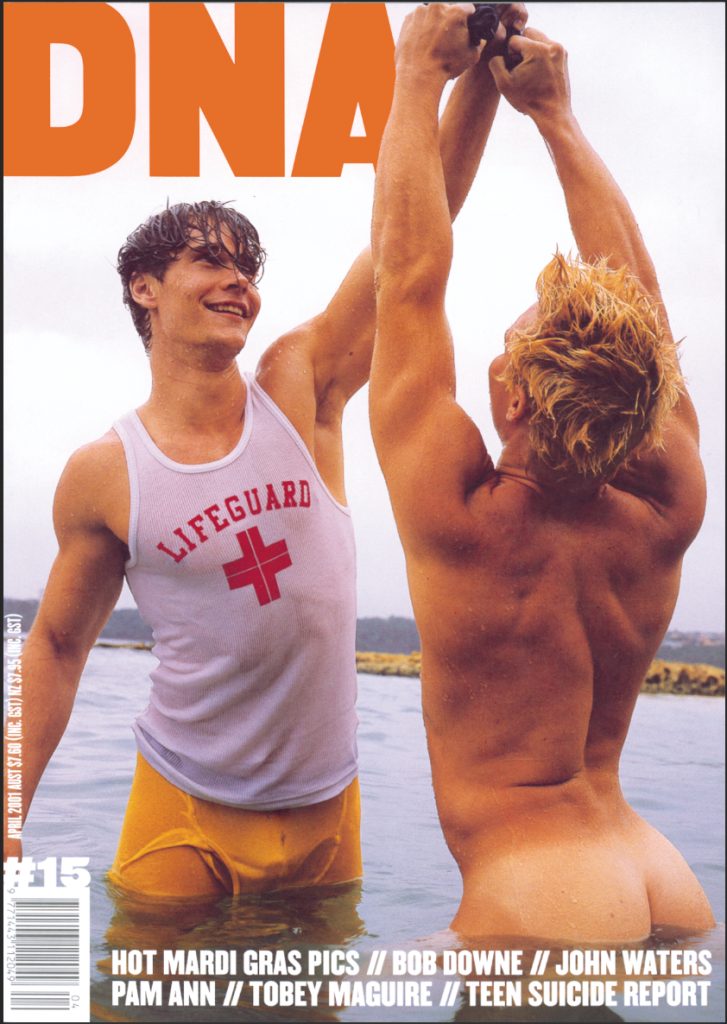
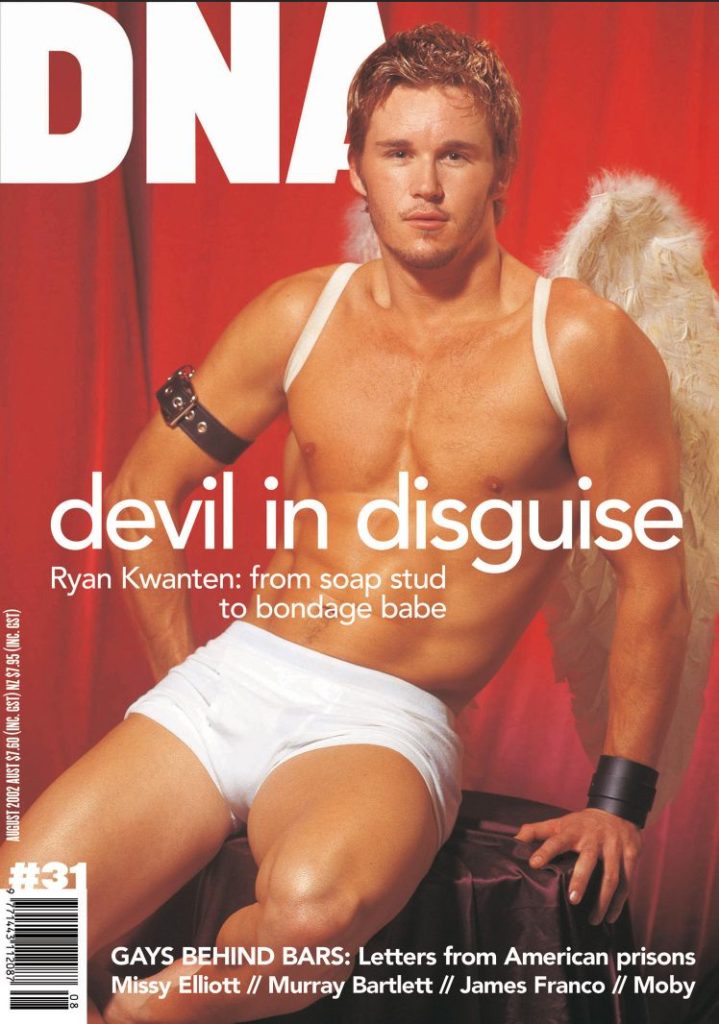
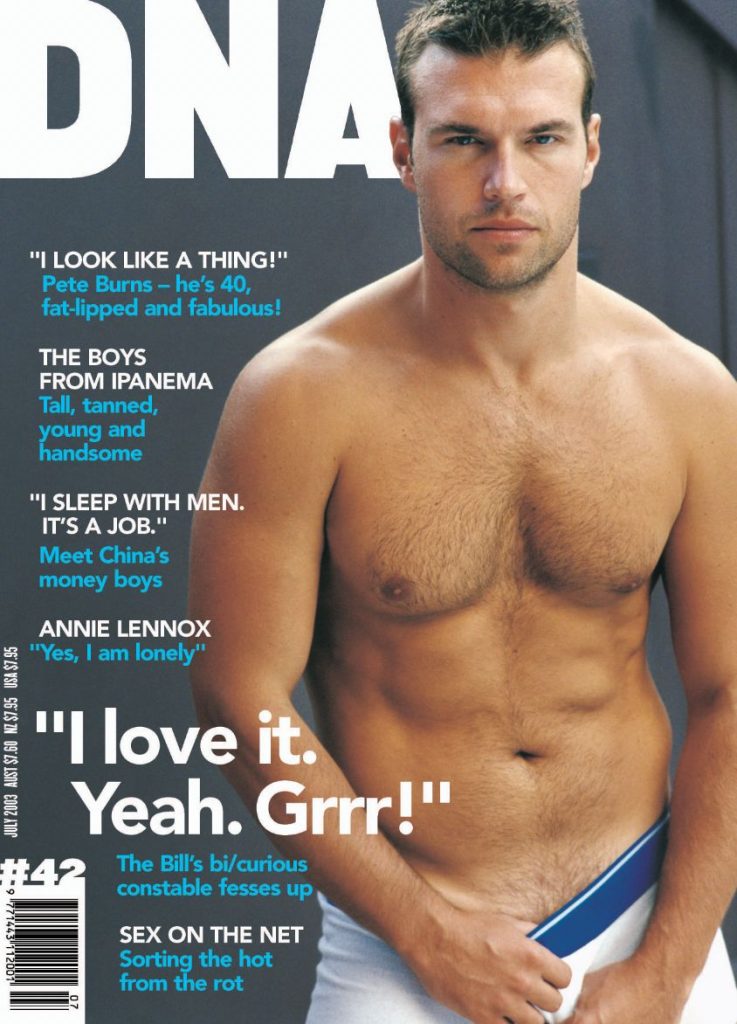
It couldn’t be all grim! While our past informed our present, I wanted to look forward to a future of greater liberation and expression. Artists, actors, musicians, comedians, and sportsmen all share their stories with us, and these are often stories of hope and optimism and stories of overcoming challenges.
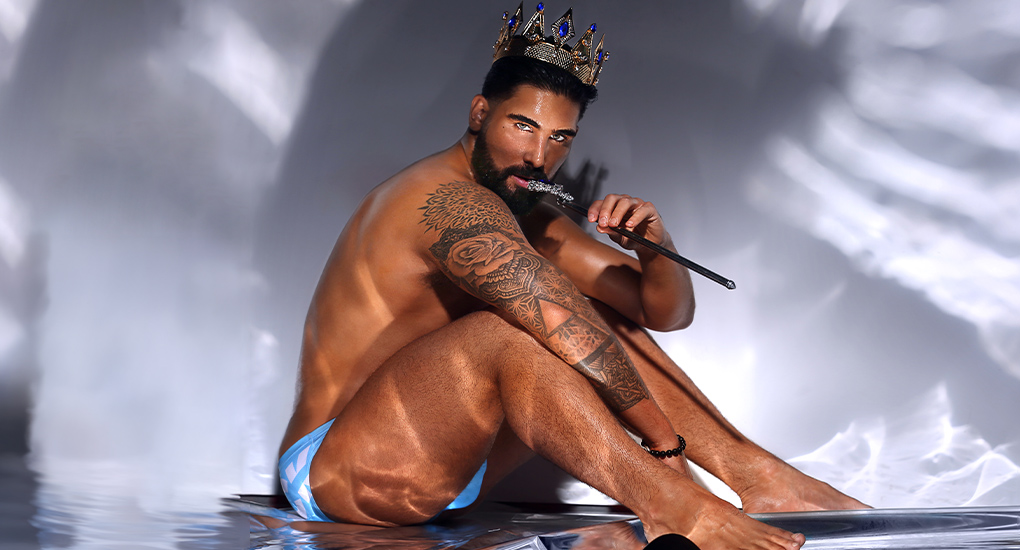
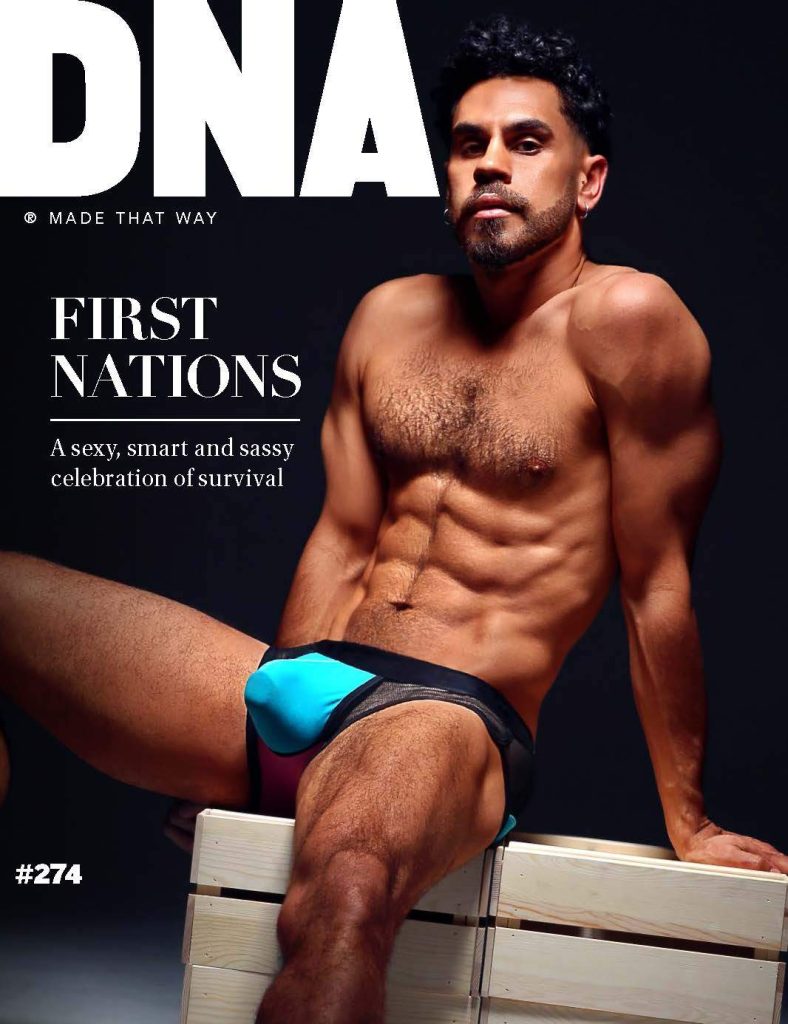
But it is the visual style of DNA that attracts the most attention and is always the first thing people associate with us. This makes me very happy. From the start, I wanted DNA to give the gay male reader what other men’s magazines gave the straight male reader. Something sexy. I wanted to photograph men in a way that unashamedly sexualised and objectified them, and present that to our readers without fear or shame or apology. DNA’s message is, “Here is a beautiful man. He’s here for your enjoyment. He wants you to appreciate all the work he has put into looking the way he does. He invites your admiration.”
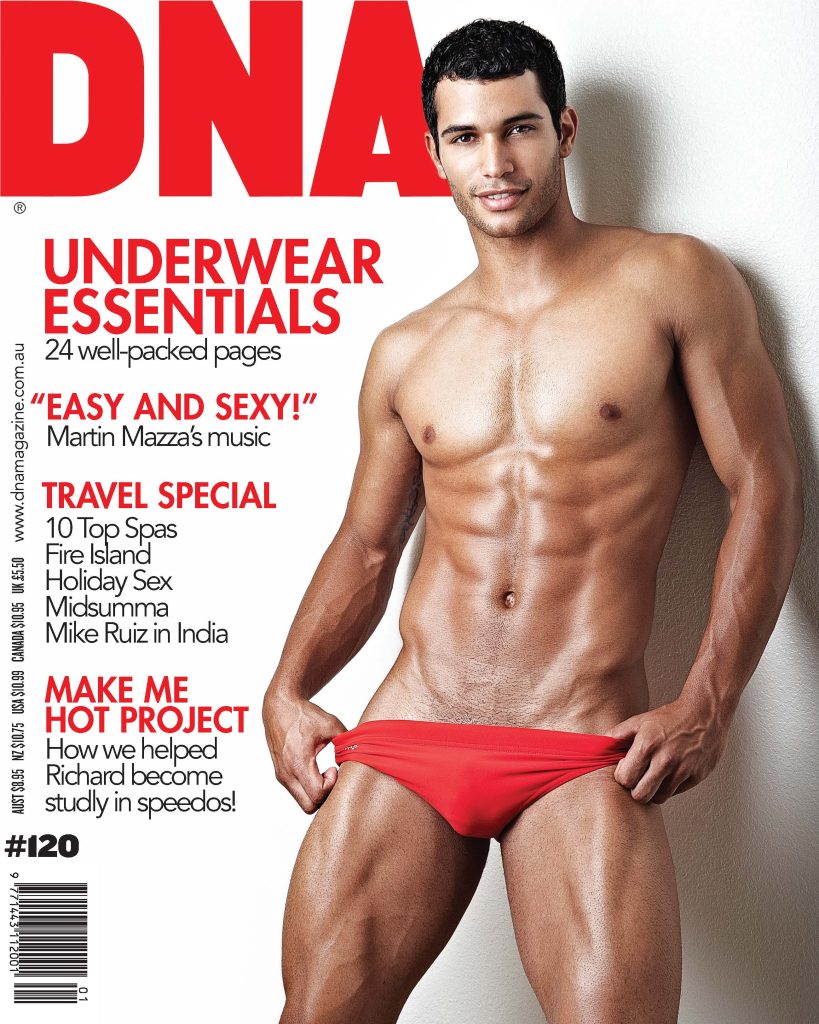
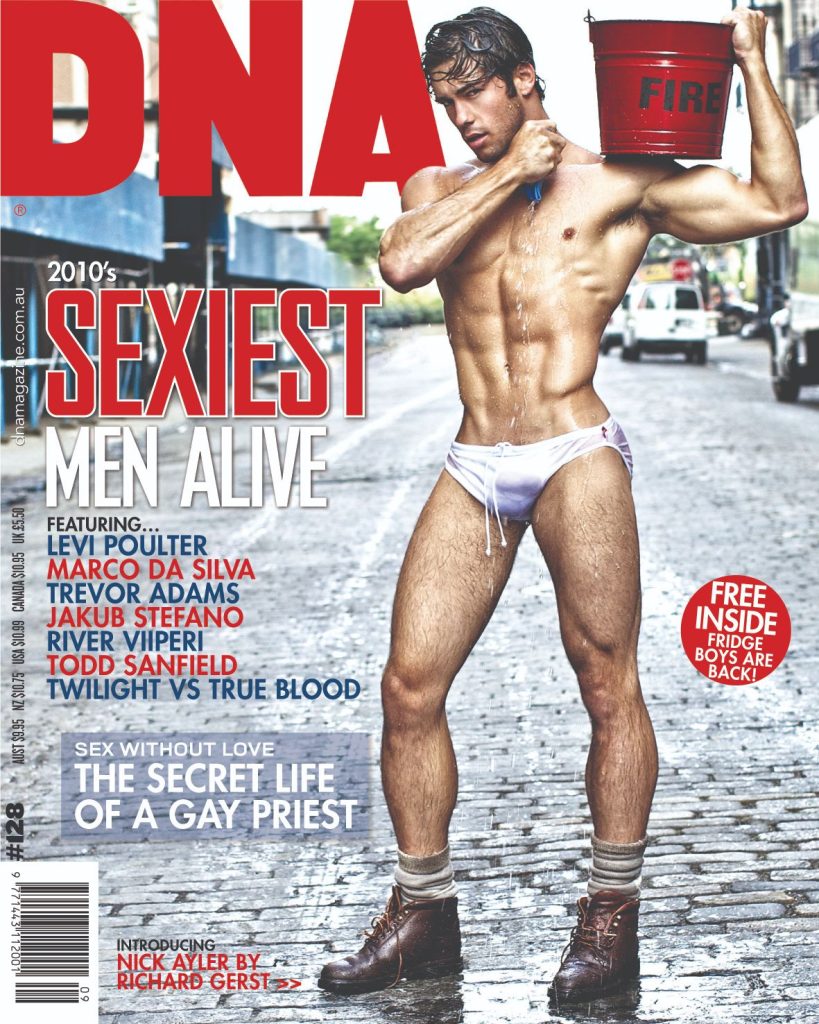
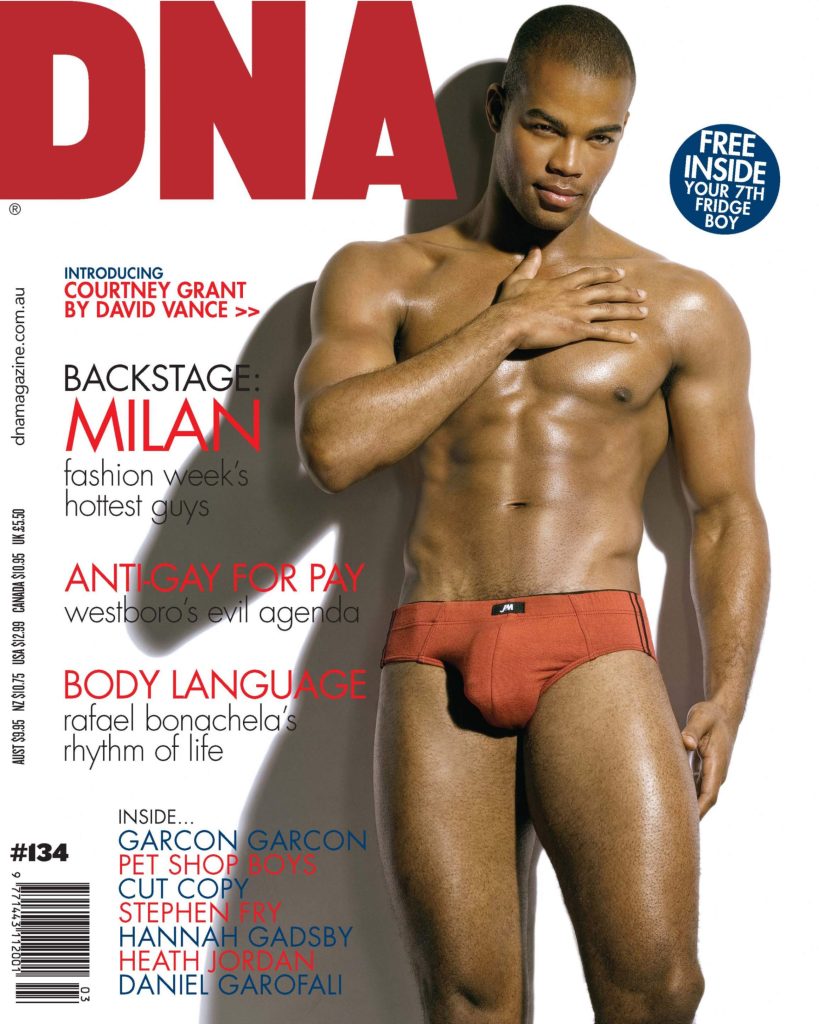
It took me quite some time to convince photographers, even the gay ones, to shoot in the style I wanted. They were hesitant. Perhaps they felt constrained by the expectations of “how to photograph men”. The way we shoot didn’t, and still doesn’t, exist in fashion and advertising. Though, I have to say, social media users have totally caught the ball and run with it!
Once we had established the DNA shooting style, things really took off. Everyone knows what a DNA cover looks like now: lots of flesh, lots of bulge, eyes to camera, sexy, flirty…
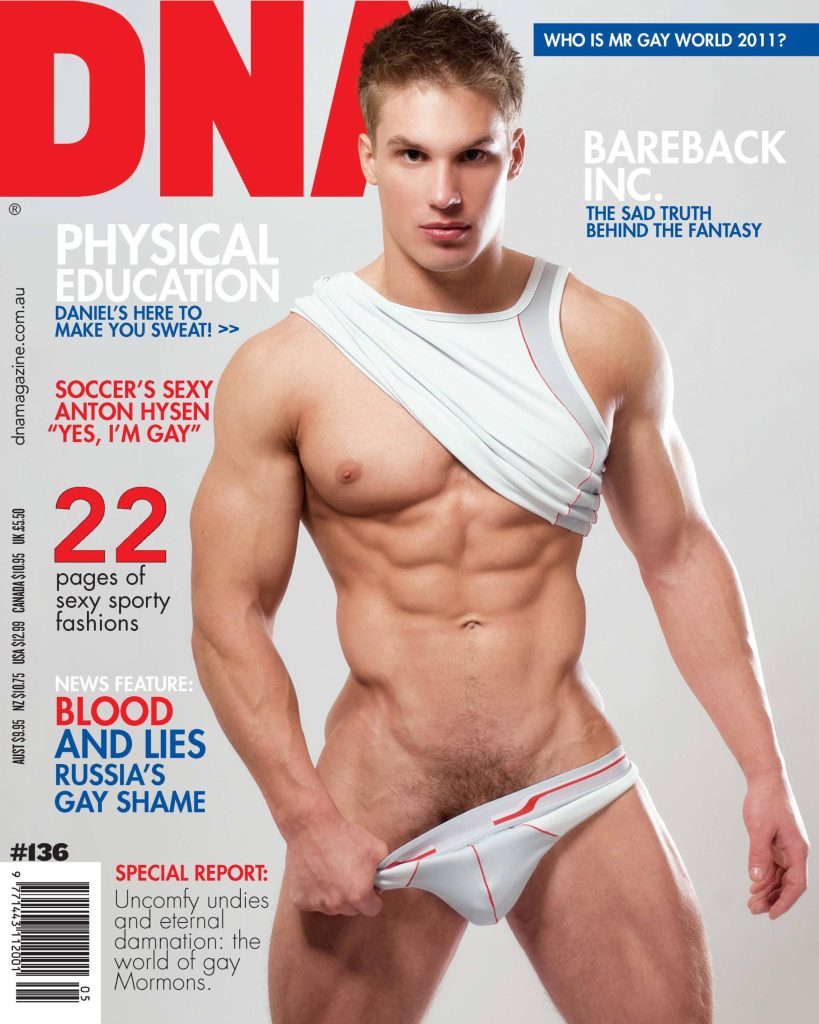
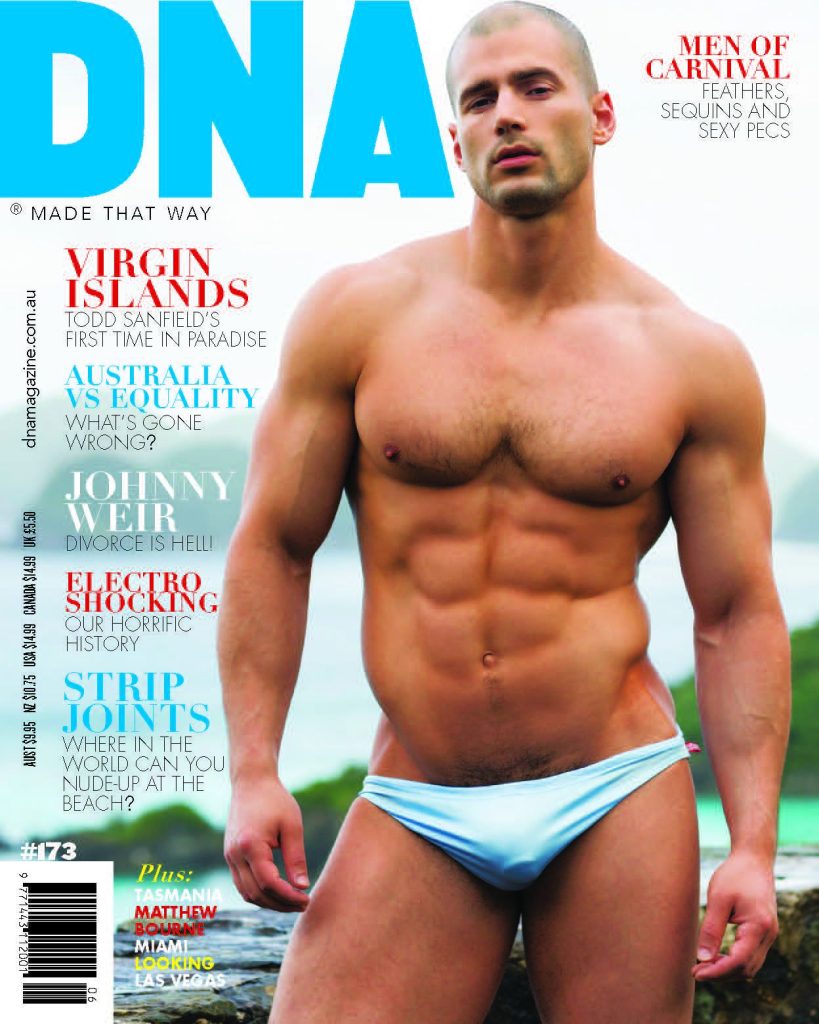
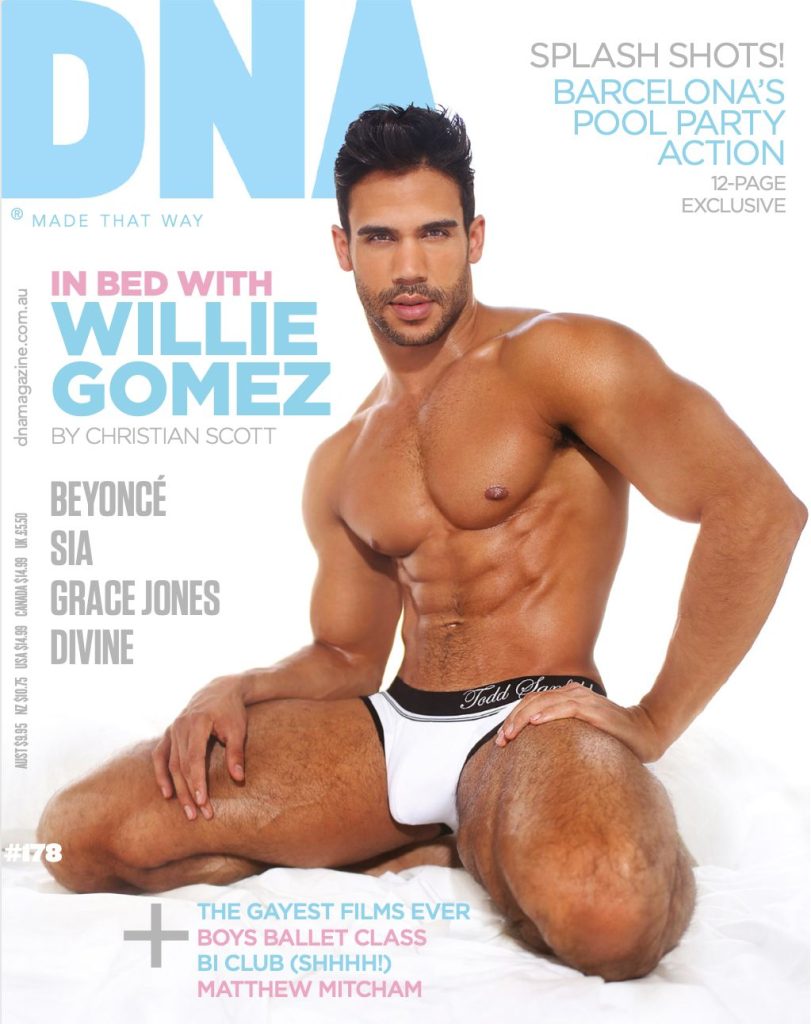
Shooting gorgeous men in sexy ways is a ridiculous job! But what I love most about it is that when I’m on a shoot, it’s a collaboration between myself, the photographer and the model. We are equal partners striving for something precious and new. And the models rarely fail to impress me. For a start, most of them aren’t professional models: they are regular guys with real-world jobs. We’ve shot teachers, hotel administrators, a children’s entertainer, a FIFO miner, and they all have their own perspectives and experiences, which they are happy to share while slipping on a cock ring – that’s one of our tricks for making the bulge look good!
As sexy as DNA is, there must still be a balance between the eye candy and the feature story content. Last month, cover model Adam Jones was super-hot, but the issue also contained a feature on MAGA Gays. Yes, an uncomfortable read.
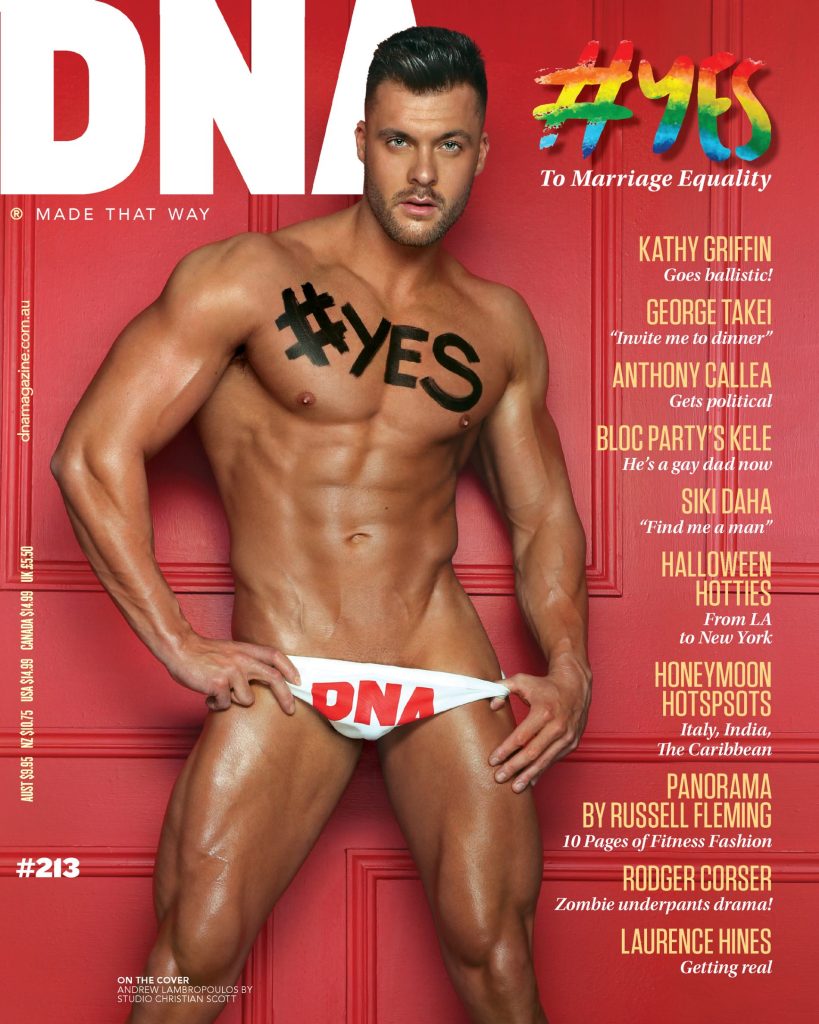
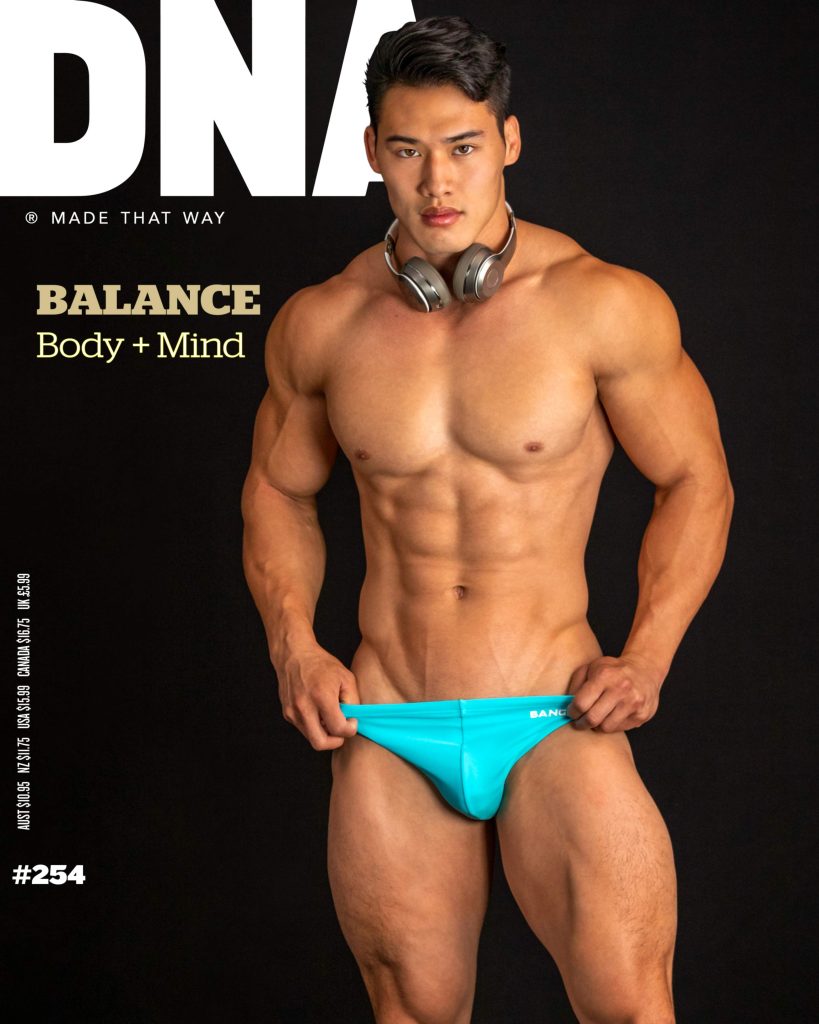
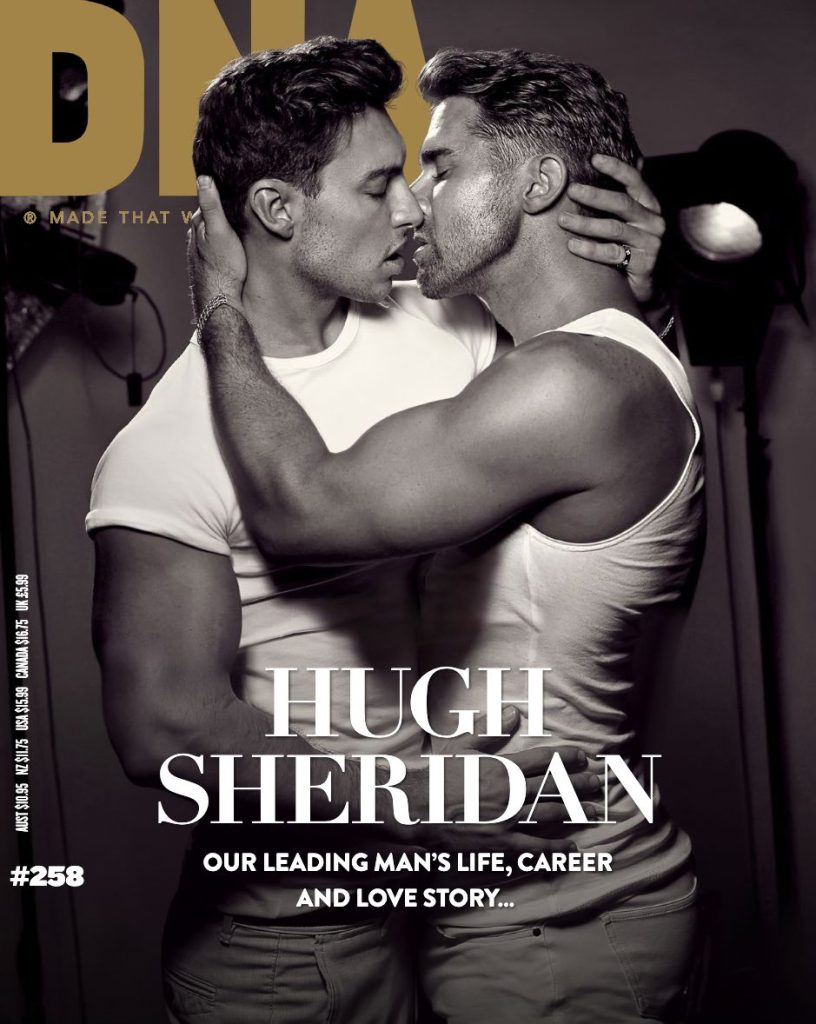
I am proud of many of our achievements, including that we have found an international audience beyond Australia. That surprised me. Hello to all our friends in the USA, UK, Canada, Taiwan, Brazil and around the world. I’m also proud of the coverage we have been able to give to Indigenous LGBTQIA+ people and that we have been able to share Australia’s brilliant First Nation gays with the world. I’m proud of the fact that we have been able to help younger people hear positive gay voices and let them know that a world that loves and accepts them exists. There have been several occasions where mums have told me that when their son came out, he gave them a copy of DNA to help them understand his world.
I would like to acknowledge the dozens of contributing writers, photographers, illustrators and designers who have helped make DNA what it is today. There are too many to name. And I would like to thank the whole DNA team, staff members past and present.
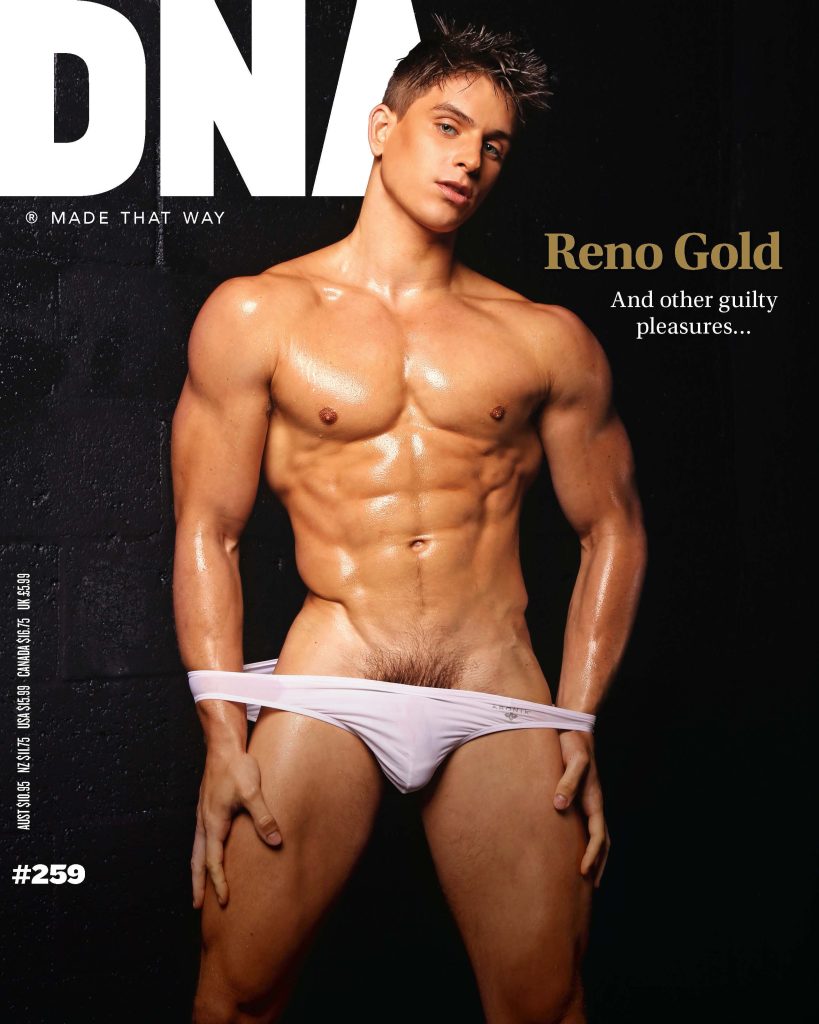

Most importantly, I’d like to thank you, the reader. We wouldn’t be here without you. That you read our words and enjoy our images every month in the magazine or every day online, is an honour. It’s a privilege to be able to do what we do. Yes, it’s a ridiculous job – but I take it seriously. Thank you for trusting us.
On a personal note, I’d like to thank my partner, Noel. He’s generous, kind, patient and forgives my ungodly hours and strange work schedule. Noel, I love you.
Andrew Creagh, Founding Editor