Franco Nero Just Got His Hollywood Star… And We Can’t Stop Thinking About “Querelle”

Italian actor Franco Nero received the 2,835th star on the Hollywood Walk of Fame on 12 February 2026. The ceremony took place outside The Montalban Theatre on Vine Street in Los Angeles, with director Julian Schnabel and Filming Italy artistic director Tiziana Rocco among the guest speakers.
A six-decade career honoured on Vine Street
Nero, now 84, has appeared in more than 200 films across Europe and the United States. He first became a global name with Sergio Corbucci’s Django in 1966, a spaghetti western that helped define the genre. Since then, he’s worked with directors including John Huston, Luis Buñuel, Franco Zeffirelli and Rainer Werner Fassbinder. His credits include Camelot (1967), Die Hard 2 (1990), a cameo in Quentin Tarantino’s Django Unchained (2012) and a role as Julius in John Wick: Chapter 2 (2017).
He’s been married since 2006 to Academy Award, Golden Globe and BAFTA-winning English actress Vanessa Redgrave. Their relationship dates back to the late 1960s, when the pair met on the set of Camelot.
Speaking ahead of the ceremony, Nero told Variety the honour “makes me understand the importance of dreams.”
The role that stuck with us
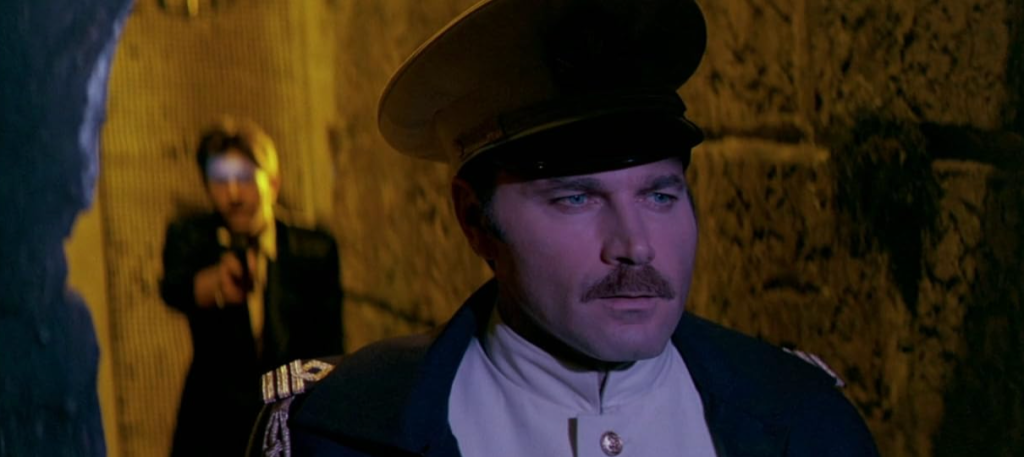
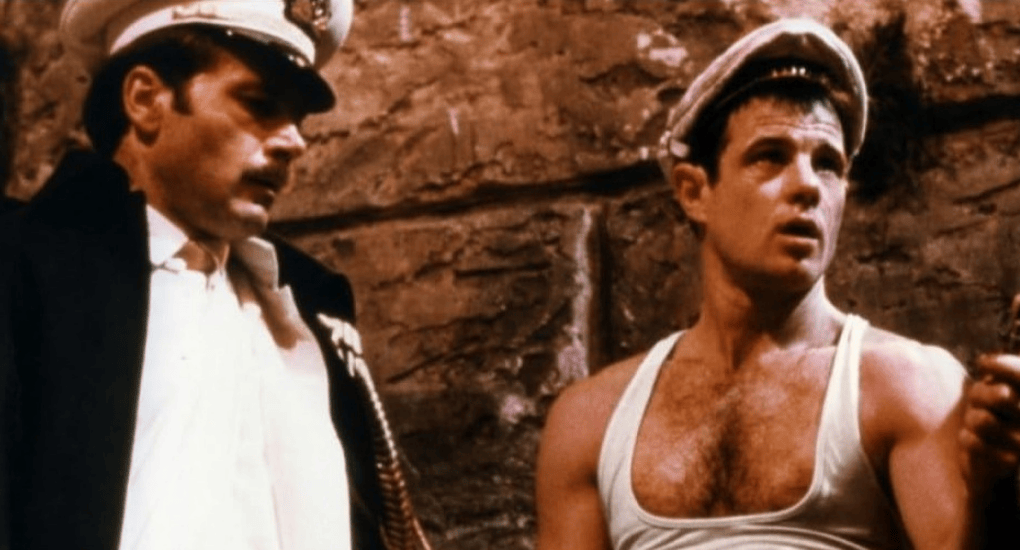
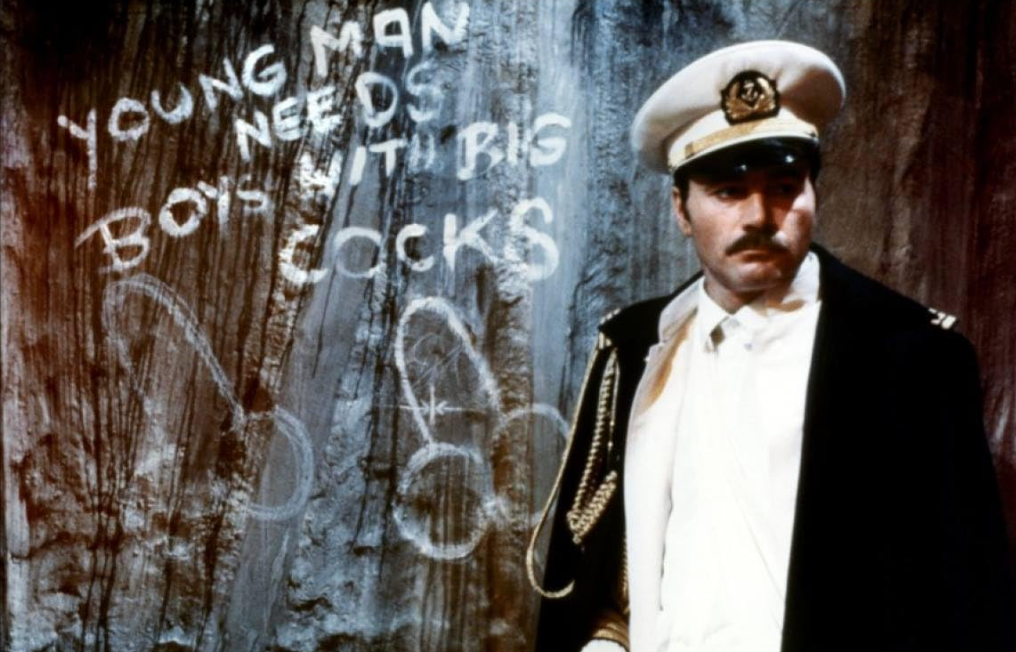
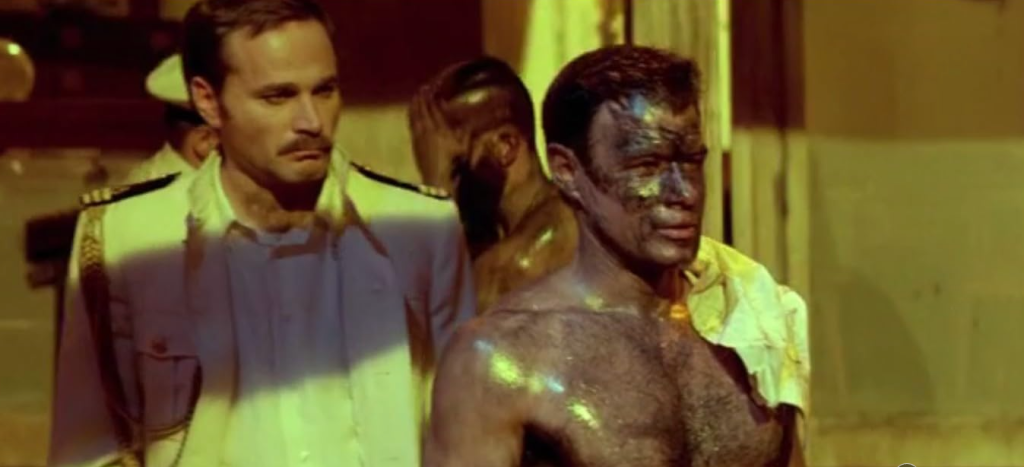
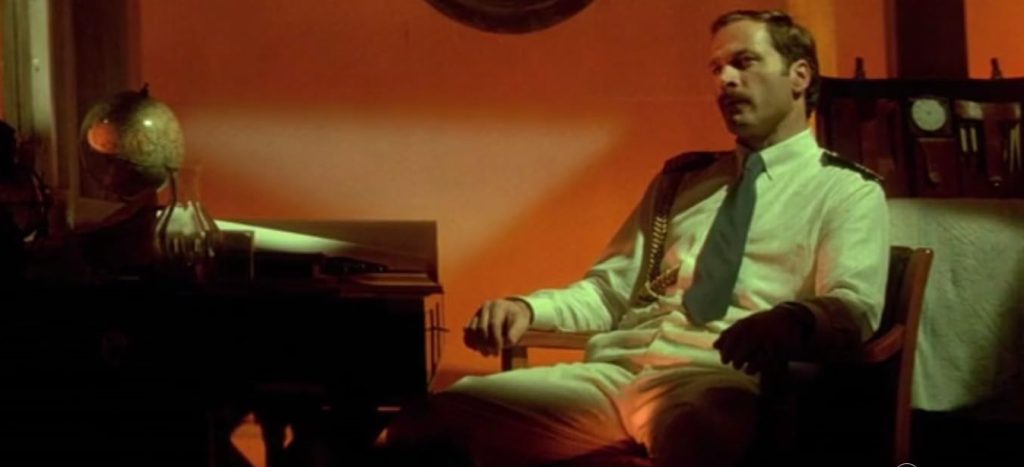
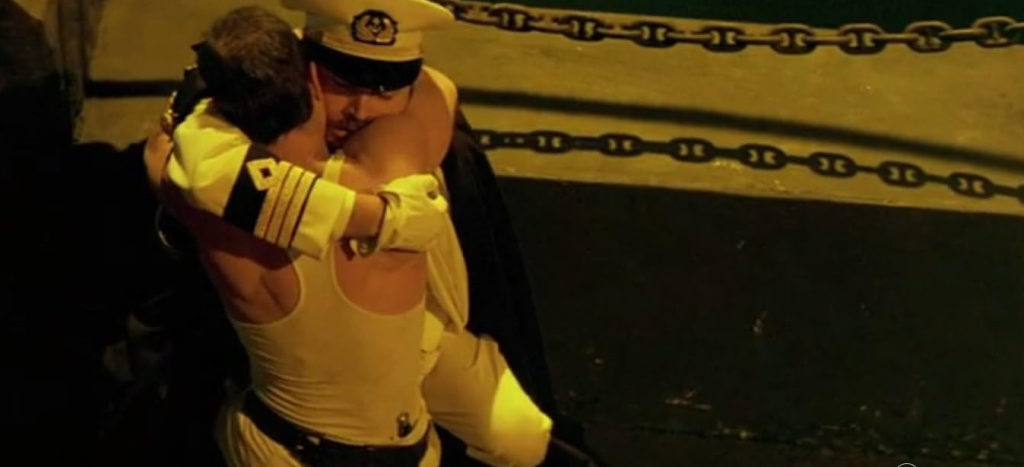
Nero’s filmography is massive, but there’s one performance that holds a particular place in queer cinema. In Rainer Werner Fassbinder’s Querelle (1982), based on Jean Genet’s novel Querelle de Brest, Nero plays Lieutenant Seblon, a naval officer consumed by a secret, intense desire for one of his sailors, played by Brad Davis. His performance is brooding, menacing, and loaded with repressed sexual tension.
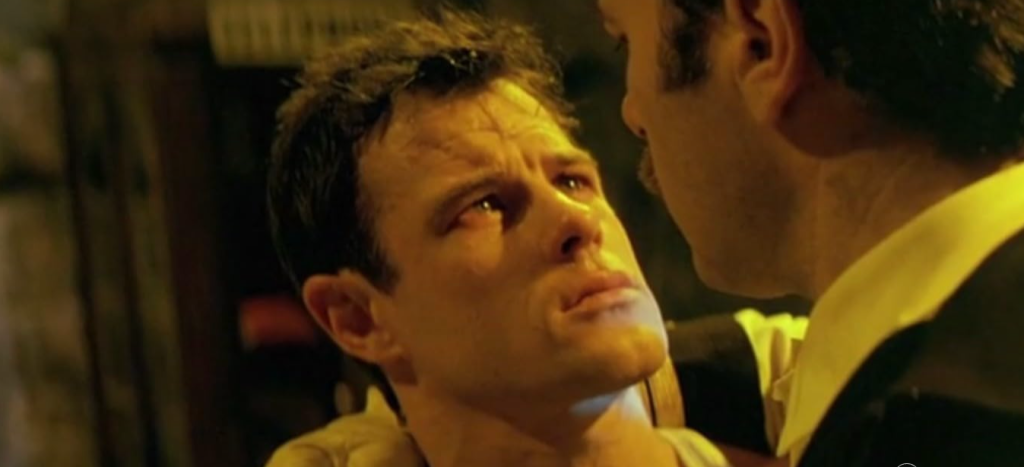
Querelle was Fassbinder’s final film before his death at 37. It remains one of the most uncompromising depictions of gay desire ever committed to screen by a major filmmaker. The film’s visual style drew heavily on Tom Of Finland’s artwork, and it sold more than 100,000 tickets in its first three weeks in Paris alone.
One for the watchlist
Nero’s Walk of Fame star is a well-earned recognition of a career that spans continents and genres. But at DNA, we’d encourage you to revisit (or watch for the first time) his work in Querelle. It’s raw, it’s confronting, and it hasn’t lost any of its charge in over 40 years. If you haven’t seen it, add it to your list.