
Florida Pauses Cuts To HIV Medication… But Only Until They Can Do It Legally!

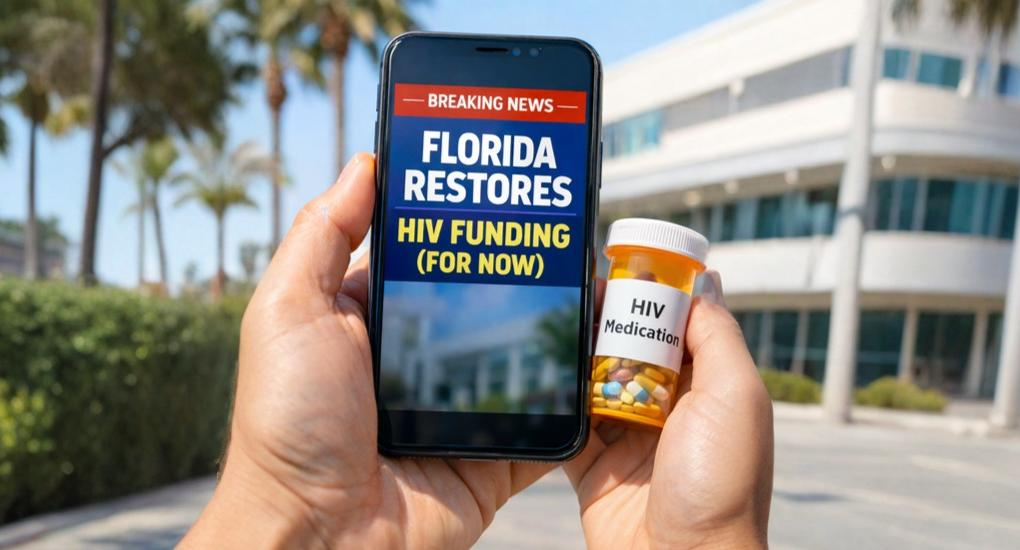
Florida’s Department of Health (DOH) has stepped back from planned changes to the state’s AIDS Drug Assistance Program (ADAP), the program that helps people living with HIV get medication and, in many cases, support with health insurance costs.
The backtrack is not, however, a change of heart. The state says it will pursue any changes through formal rulemaking after legal action from AIDS Healthcare Foundation (AHF), which argues the DOH did not follow the required process.
What ADAP does, and who was about to get squeezed?
ADAP sits under the federal Ryan White HIV/AIDS Program (administered by the Health Resources and Services Administration). In plain terms, it helps low-income people with HIV access approved medications, and states can also use funds to help clients obtain health insurance or support treatment adherence.
In Florida, AHF says more than 30,000 people rely on the program. The DOH’s planned shift, originally set to start March 1, would have cut back access for more than 16,000 of them.
So what changed in practice? Advocate reported that ADAP eligibility would have dropped from 400 per cent of the Federal Poverty Level (FPL) to 130 per cent.
FPL is a US government income measure used to set eligibility for certain programs. Florida’s proposed change would have narrowed the pool fast and left many people scrambling for alternatives on a tight timeline.
Why advocates say transparency matters.
Florida has pointed to a claimed US$120 million budget shortfall as the reason for tightening the program.
In AHF’s statement, its director of advocacy and legislative affairs, Esteban Wood, said: “The Department’s action makes clear that legal processes have not been followed. Floridians will now have a say in what happens to this program and its effect on them.”
That “say” part matters. When public health policy changes can affect whether someone stays on treatment, the process should be transparent, slow enough to be scrutinised, and open to public.
For now, the immediate cuts appear paused while the state moves into rulemaking.

