
Dozens Of Unsolved LGBTQIA+ Murders To Be Investigated Pledges NSW Government

“We’ve Failed in the Past, But We’re Committed to Change”
According to SBS News, the NSW government has made a significant move towards addressing historical injustices. They’ve agreed to support all 19 recommendations from an inquiry into unsolved hate crimes from 1970 to 2010. This decision has been met with approval from prominent LGBTQIA+ groups.
An Apology Long Overdue
In their official response, the government offered an unreserved apology to the victims and their loved ones. The inquiry revealed that out of 34 cases re-examined, 25 showed signs of bias. This bias, rooted in societal prejudice and within the NSW Police, had hindered investigations.
Justice John Sackar, who led the inquiry, suggested new inquests for four deaths. The full report, spanning 3,500 pages, was released in December.
The Past Won’t Define Our Future
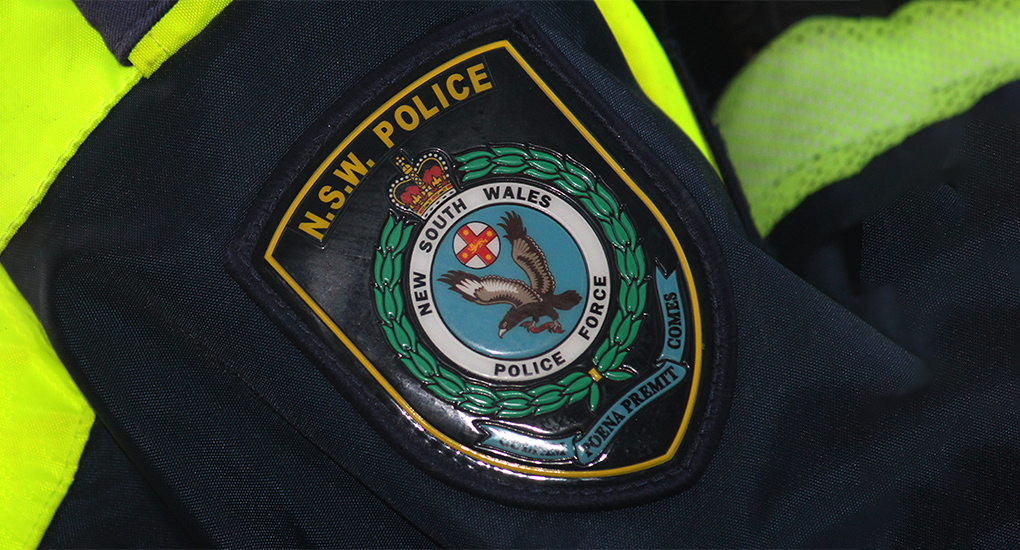
NSW Police Commissioner Karen Webb addressed the issue head-on. She apologised for the force’s past failings in fairly investigating crimes against LGBTQIA+ community members. Webb emphasised that these past mistakes would not shape their future actions.
Penny Sharpe, Legislative Council Government Leader, acknowledged the government’s role in perpetuating inequality and injustice. She stressed the importance of preventing such failures in the future.
A Moment for Justice and Healing
Justin Koonin, president of ACON, a NSW LGBTQIA+ health organisation, praised the government’s response. He highlighted the systemic issues uncovered by the inquiry and the need for comprehensive reforms.
Emily Gray from Equality Australia also welcomed the government’s commitment. She urged for the removal of all remaining discrimination against the LGBTQIA+ community from NSW law.
Modern Technology to Solve Cold Cases
The government plans to review unsolved murders from the past 40 years using modern forensic technology. This review comes as part of the inquiry’s recommendations.
Four specific cases – Scott Miller, Paul Rath, Richard Slater, and Carl Stockton – may see fresh inquests based on new evidence. Detectives are working with the coroner’s office to determine if these inquests are warranted.
The inquiry also revealed poor record-keeping practices by police during the period in question. This led to crucial evidence being lost, destroyed, or misplaced.
Following an audit, police will re-examine relevant evidence for forensic testing using new technology. This step aims to bring closure to long-standing cases and provide justice for victims and their families.
This commitment from the NSW government marks a significant step towards addressing historical injustices and ensuring a more inclusive future for all.