
Criminalised For Being Gay, Hundreds Are Now Turning To Australia For Refuge

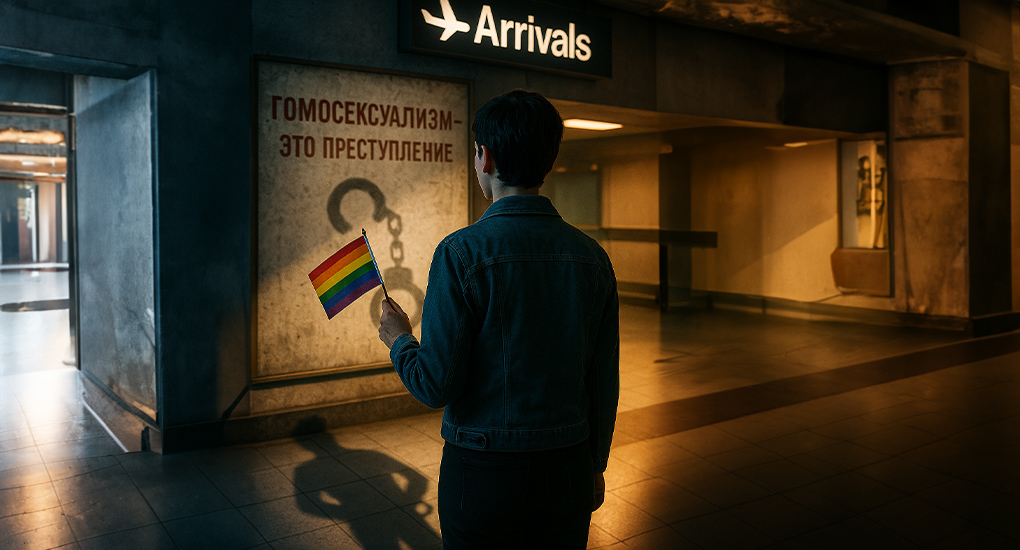
When “Sam” first arrived in Australia, it was the small things that stood out. Holding hands, a kiss, affection without fear. For the first time, they could explore who they were, but it wasn’t without limits. Their parents didn’t know. Their residency was temporary and the threat of being sent back was real, reports The ABC.
Sam comes from a country where being gay is treated as a crime, punishable with up to ten years in jail. There are vigilante neighbours, and humiliation in the press.
“If I went back, I wouldn’t be safe physically. If I stayed closeted, I wouldn’t be safe mentally,” they said.
How many more haven’t come forward?
Australia’s Migration Act recognises LGBTQIA+ people as potential refugees if they face real danger because of their identity. Sam’s case was approved with the help of the Tasmanian Refugee Legal Service (TRLS). They now have permanent protection. “It was a huge relief,” they said. “This changed my life.”
But Sam’s story is not rare. According to TRLS Principal Lawyer Patrick O’Connor, an increasing number of clients are coming forward after their visas expire. Many are international students, backpackers or workers who’ve quietly come out during their time here. Once their visa ends, they’re forced to choose: hide again, or speak up and risk everything.
“They generally fear for their life if they return,” O’Connor told ABC News. “And there are likely hundreds more in Tasmania alone who haven’t spoken out because they’re scared or don’t know their rights.”
Legal help is often the difference between safety and deportation.
TRLS is now pushing for funding to expand its legal aid team and launch education workshops across the state. Many queer asylum seekers don’t understand how Australia’s laws work, or that they might qualify for protection. That lack of knowledge can cost them their safety, or worse.
“Providing legal representation is life-changing, and can make all the difference,” O’Connor said.
A call for education, support, and safe spaces.
We know that safe spaces are more than a buzzword. For queer refugees, they can be the line between survival and suffering.
Gillian Long, head of the Migrant Resource Centre Tasmania, agrees. She’s calling for more culturally sensitive education, not just for LGBTQIA+ newcomers but across all refugee and migrant communities.
“Some people only feel safe to talk about their identity for the first time once they reach Australia,” she said. “But they may still be scared to connect with their cultural community, knowing they could face rejection again.”
Long stressed the importance of understanding how identity layers intersect culture, gender, language, race and how these can intensify the risks for LGBTQIA+ refugees.
New beginnings, but not without support.
For Sam, being granted protection was the start of a different life. “I’ve got a lot of love around me now,” they said. “I don’t think I’d have experienced this if I didn’t apply for this visa.”
At DNA, we believe everyone deserves that chance. No one should have to choose between mental survival and physical safety.

