
England And Wales Move To Ban Conversion Practices, With Up To Five Years In Prison

The UK government has published a draft bill that would make abusive conversion practices a crime in England and Wales, with penalties of up to five years in prison and an unlimited fine.
Published on 25 June, the Conversion Practices Bill targets attempts to change someone’s sexual orientation or transgender identity. Campaigners have waited eight years for it.
What the bill would do
The bill creates two new offences. One covers carrying out conversion practices that cause serious harm, alarm or distress. The other covers encouraging or assisting those practices abroad.
It also introduces civil Conversion Practice Protection Orders, modelled on the orders already used for forced marriage and female genital mutilation, which can step in before harm is done.
This is not a hypothetical problem. The government says conversion practices are still happening in 2026, with survivors describing physical, sexual, economic and psychological abuse.
Existing laws on coercive control and domestic abuse have not been enough, partly because there has been no legal definition to let police and prosecutors act.
Olivia Bailey, the Minister for Equalities, was blunt about the thinking behind these practices.
“Conversion practices are driven by the false belief that being LGBT+ is shameful and can be forcibly changed,” she said. “No-one should face abuse just because of who they are.”
Stonewall chief executive Simon Blake put it just as plainly. “People from the LGBTQ+ community are not broken or in need of ‘fixing,'” he said. “These practices are abuse, and every day without a ban in place leaves people at risk of serious harm.”

Not a ban on therapy or open conversation
The government has tried to head off the usual objections. The draft is clear that it does not criminalise expressing beliefs about LGBTQIA+ identities, and it will not stop honest, exploratory conversations or proper healthcare. The criminal threshold is set high, so only abuse aimed at changing who someone will fall within its scope.
The trans-inclusive bill borrows in part from New Zealand’s model.
So is the fight finally over? Not yet. The draft now faces pre-legislative scrutiny before MPs vote, so a full ban is not law. At DNA, we’ve watched this promise stall for years, which is why the movement behind it is the real story.
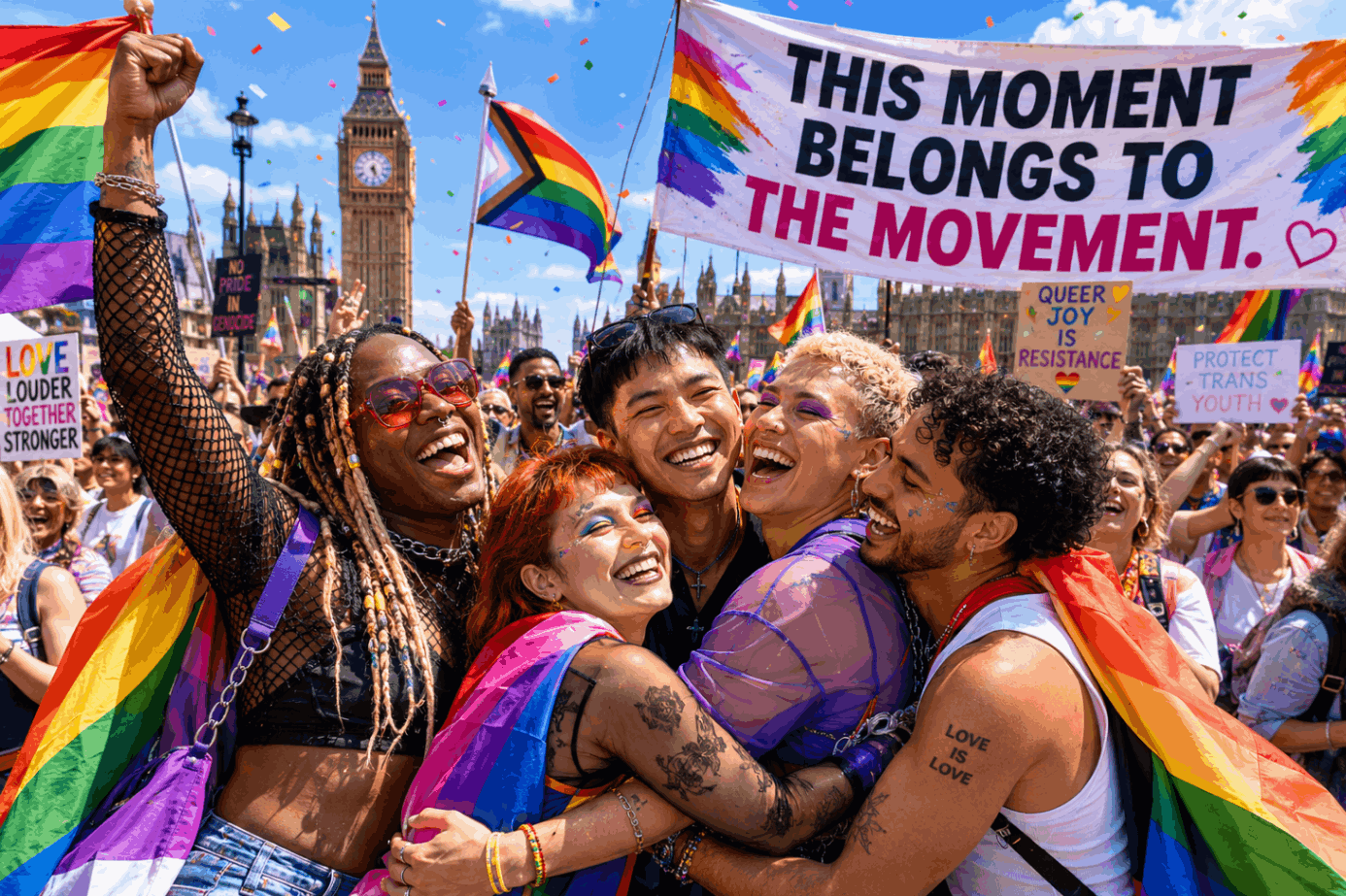
As Saba Ali of the Ban Conversion Therapy Coalition put it, “This moment belongs to a movement.”
If conversion practices have affected you, QLife offers free and anonymous LGBTQIA+ peer support at qlife.org.au.

