
China Arrests Young Female Writers Over Gay Erotic Fiction Crackdown


Danmei authors face police raids, public shaming, and long prison terms.
A growing number of young Chinese women are facing arrest for writing gay erotic fiction. At least 30 have been detained since February, most of them in their twenties, according to The Telegraph, as China ramps up its censorship of queer stories under the guise of its anti-pornography laws.
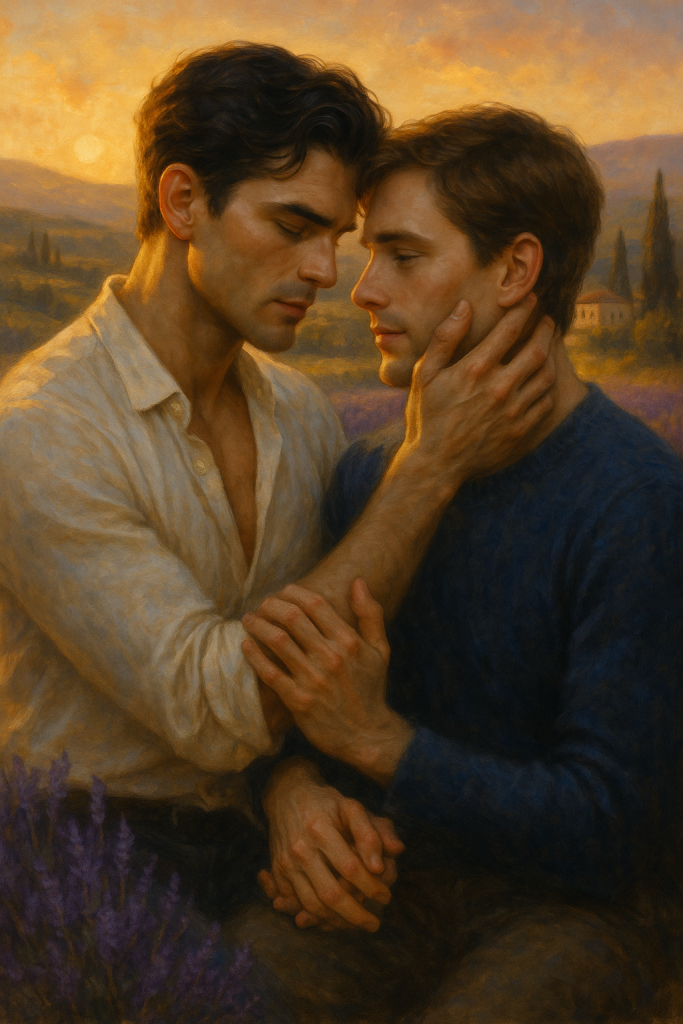
These women are known for writing danmei, a genre of male-male erotic fiction that is popular among female readers. The stories are usually set in fantasy or contemporary settings, feature romantic and often explicit relationships between men, and sometimes include themes like BDSM or even male pregnancy.
Targeted for writing about queer desire.
One of the authors arrested, who used the pen name Pingping Anan Yongfu, posted about her experience online before deleting her account. She described being publicly escorted to a police vehicle, forced to undress for an examination, and photographed in custody while trembling with fear. “My heart was pounding,” she wrote. “I’ll never forget it.”
She later acknowledged she broke the law and deleted her social media entirely, a move likely influenced by the high level of scrutiny and pressure in China’s digital space.
The danmei genre has its roots in Japanese boys’ love manga but has taken on its own shape in China over the last few decades. In 2021, over 60 danmei titles were optioned for film and television, with one adaptation reportedly selling for more than AUD 8 million. Most of these stories were published on Haitang Literature City, a platform now under intense government scrutiny.
But why are danmei writers being punished more harshly?
China’s anti-pornography laws criminalise the creation and distribution of what it calls “obscene materials”. That includes explicit gay sex scenes or what the government deems “sexual perversions”. Writers who make money from their work risk over a decade in prison.
And while heterosexual erotica often flies under the radar, gay erotic fiction appears to attract harsher punishment. This isn’t new. Though homosexuality was decriminalised in 1997 and removed from the country’s list of mental disorders in 2001, LGBTQIA+ expression still comes with a price. Same-sex marriage isn’t legal. Adoption by queer couples isn’t allowed. Community groups are often shut down. And there are still reports of young transgender people being sent to so-called “re-education” facilities.
So, what message is being sent?
According to what one danmei writer posted before being arrested, she was pulled out of class mid-lecture by police, who then raided her dorm room. Another, just 20 years old, wrote: “So young, and I’ve already ruined my life.”
At DNA, we ask: what’s really being punished here? Is it the writing, or is it the desire behind it?
As danmei continues to gain underground popularity, this crackdown sends a message that queer fiction, especially when written by women, is seen as a threat to China’s tightly controlled vision of gender and sexuality.

