
Benjamin Pavard’s White Tank Top Sparks LGBTQIA+ Phobia In French Football

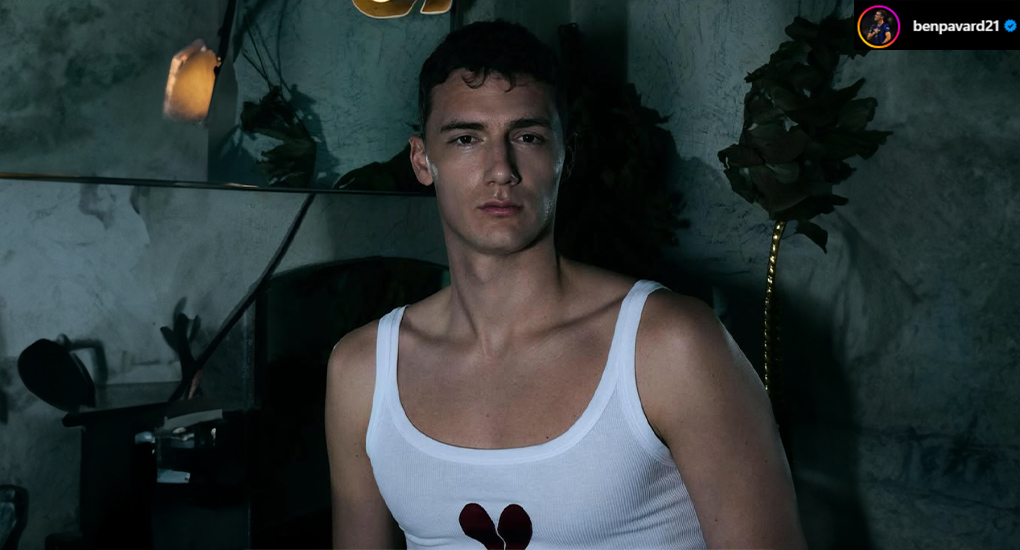
Benjamin Pavard’s simple white tank top sparked an unexpected social media storm with serious implications for football culture. The Inter Milan defender’s Instagram post received reactions that highlight persistent issues in sports.
When French footballer Benjamin Pavard shared a photo of himself wearing a white tank top on Instagram, he likely didn’t expect to create a cultural moment. His national teammates Kylian Mbappe and Ousmane Dembele responded with multiple “loudly crying face” emojis. Fellow Les Bleus star Marcus Thuram commented: “I’m at a loss for words.”
This seemingly innocent exchange between World Cup champions opened floodgates for others to mock Pavard. What began as teammates bantering quickly transformed into something more concerning.
Why would a simple undershirt create such strong reactions? What does this reveal about football culture in 2025. This opened the floodgates for others to mock Pavard.
The Greater Context of French Football
French football continues to struggle with anti-LGBTQIA+ language and behaviour. Offensive chants remain common at top-flight men’s games without meaningful consequences. According to YouGov surveys, 38% of French fans consider homophobia a serious problem in their national game—significantly higher than Italy and Spain at 24% each.
Campaign group Rouge Direct addressed the incident in an op-ed for French website Medipart titled: “Benjamin Pavard has no right to break the virile codes of football.”
“The cyberwave of denigration, humiliation and homophobic comments against Benjamin Pavard has been boosted by star footballers,” Rouge Direct wrote in its column. “They have clearly never been made aware of the discrimination linked to sexuality and gender identity that is plaguing football, the pitches, the stands, and therefore also the minds of the players and personalities among the most influential in the world, especially for young people.”
Fashion Politics in Football
The tank top itself exists in an interesting cultural space. GQ France noted how this garment, typically associated with heightened masculinity when worn by actors like Marlon Brando and Bruce Willis, somehow becomes coded differently in football contexts.
“Pavard has become the new ambassador of the white vest,” wrote Blanche Marcel, “the main character of a fashion trend whose existence he probably never would have suspected.”
This isn’t Pavard’s first experience with such scrutiny. Since joining Inter Milan in 2023, Italian media and social media users have speculated about his personal life despite his engagement to actress and model Kleofina Pnishi, a former Miss Provence winner.
The Real Impact on Football Culture
We need to consider the broader implications of these interactions. When influential players police perceived masculinity, they reinforce barriers that prevent others from authentic self-expression.
What happens to young players who start overthinking their appearance or mannerisms? How does this affect their focus and performance?
Team banter itself isn’t the problem – close-knit humour often creates bonds among teammates. Research suggests professional sports environments have become more inclusive in recent years.
However, public social media exchanges lack the context and camaraderie of private team settings. They instead create spaces where mockery can escalate into genuine harm.
Beyond Football: The Male Body Taboo
This incident connects to broader cultural anxieties about male bodies and expression. As discussed in DNA’s recent feature, “The Male Body Is Taboo,” society continues to place strict limitations on how men can present themselves. Men’s bodies remain subject to rigid standards of acceptability, with deviations from traditional masculinity quickly policed and questioned. Pavard’s experience exemplifies how even elite athletes face scrutiny when they, intentionally or not, challenge these unwritten codes through something as simple as their clothing choice.

