
“Beautiful Thing”, The Film A Generation Of Gay Men Watched In Secret Turns 30

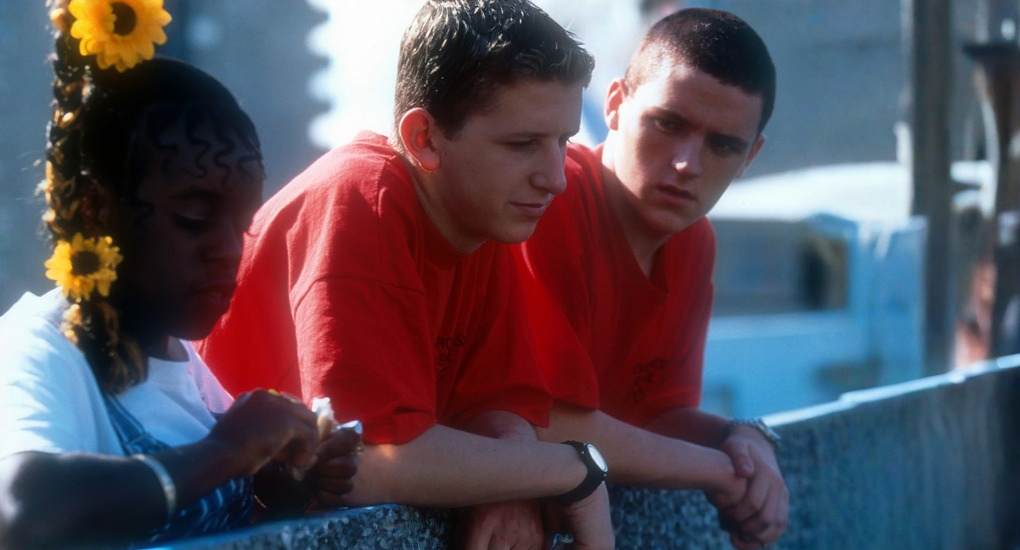
Thirty years ago this June, a small British film about two teenage boys falling in love on a Thamesmead council estate walked into UK cinemas and quietly changed what a queer film could feel like. Beautiful Thing turns 30 on 14 June 2026, and a generation of gay men still hasn’t shut up about it. Rightly.
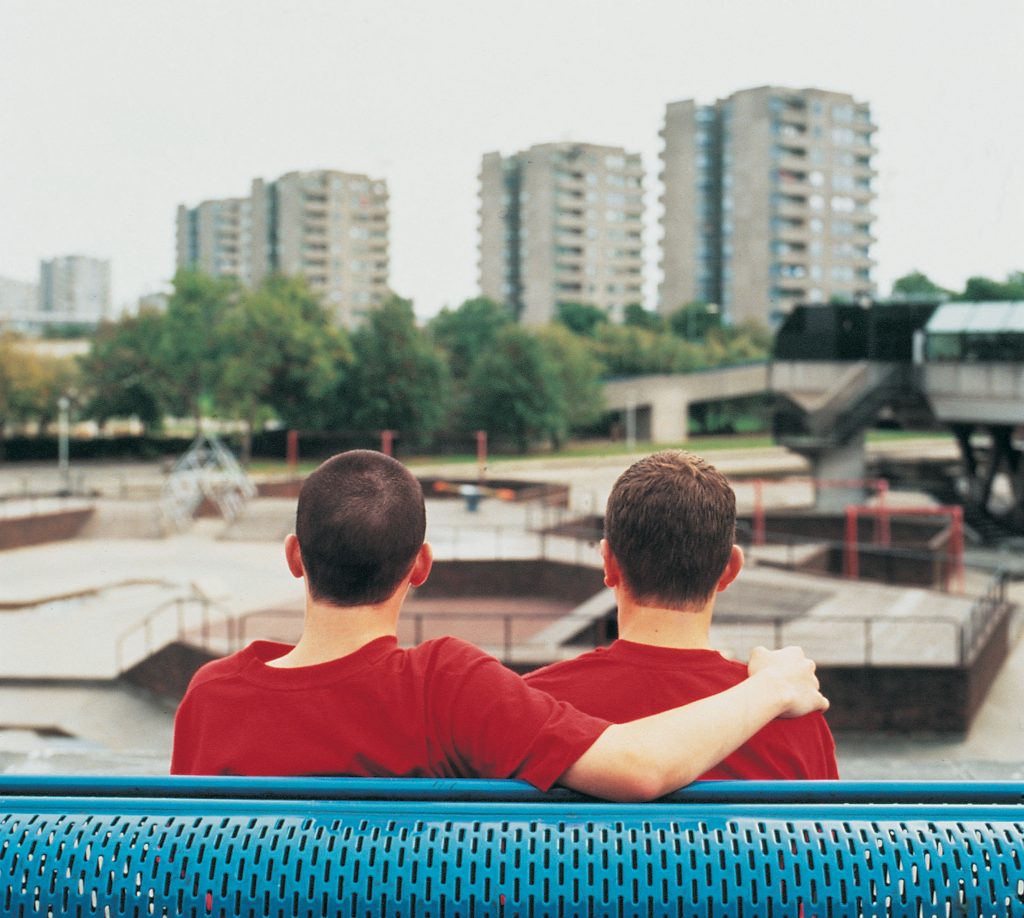
Directed by Hettie Macdonald and adapted by Jonathan Harvey from his own stage play, the film was originally commissioned by Channel 4 for television only.
Early test screenings were so strong that Channel Four Films and World Productions pushed it into UK cinemas instead. It’s been collecting hearts ever since.
The story
Jamie (Glen Berry) is a quiet 16-year-old who lives with his single mum Sandra (Linda Henry) on a South-East London council estate. Next door is Ste (Scott Neal), athletic, good-looking, and getting battered at home by his dad and brother.
Over one very hot summer, the two end up sharing Jamie’s bed. Then they share more than that, with Mama Cass on rotation and neighbour Leah (Tameka Empson) belting through the wall.
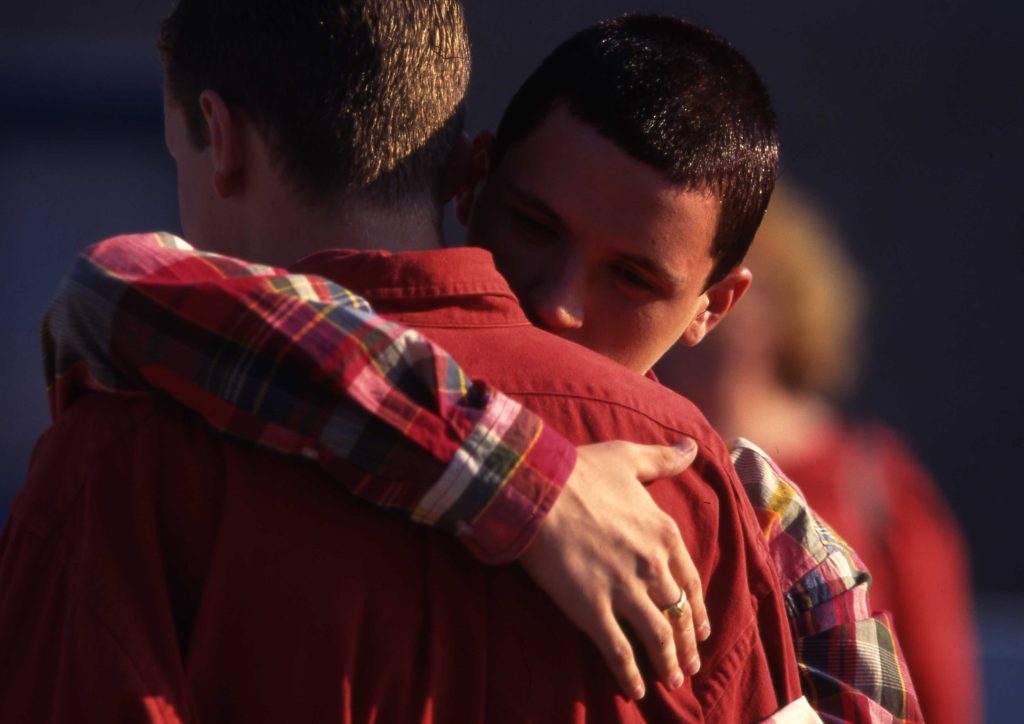
The plot is small. The genius is that nobody dies, nobody is punished, no one ends up in a hospital, and the romance is allowed to be a romance. In 1996, that was almost unheard of for queer cinema.
Why it still matters
A lot of gay men have a film they remember watching alone, late at night, volume turned down, one ear listening for footsteps in the hall. For a generation of British and Australian gay men, that film was Beautiful Thing.

It made being gay look soft, possible and unexpectedly joyful, in a part of London the screen usually only handed grit. The BFI restored the film for Blu-ray in March 2024, so it now sits properly in the canon, and it streams on BFI Player.
Speaking on the film’s 30th anniversary, Harvey told Stun Magazine he was nervous early on. “I thought, we’re two novices together. We’re gonna mess this up,” he said of his pairing with first-time film director Macdonald.
Producer Tony Garnett, he recalled, talked him round: “Hettie’s the best choice because she understands the story so well.”
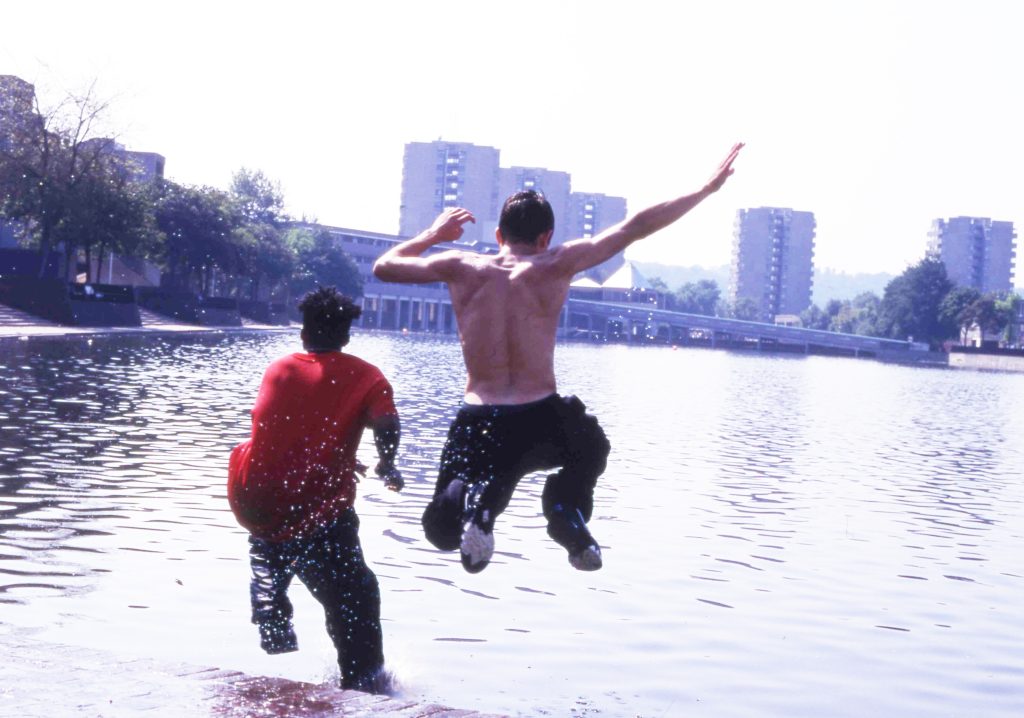
That last scene
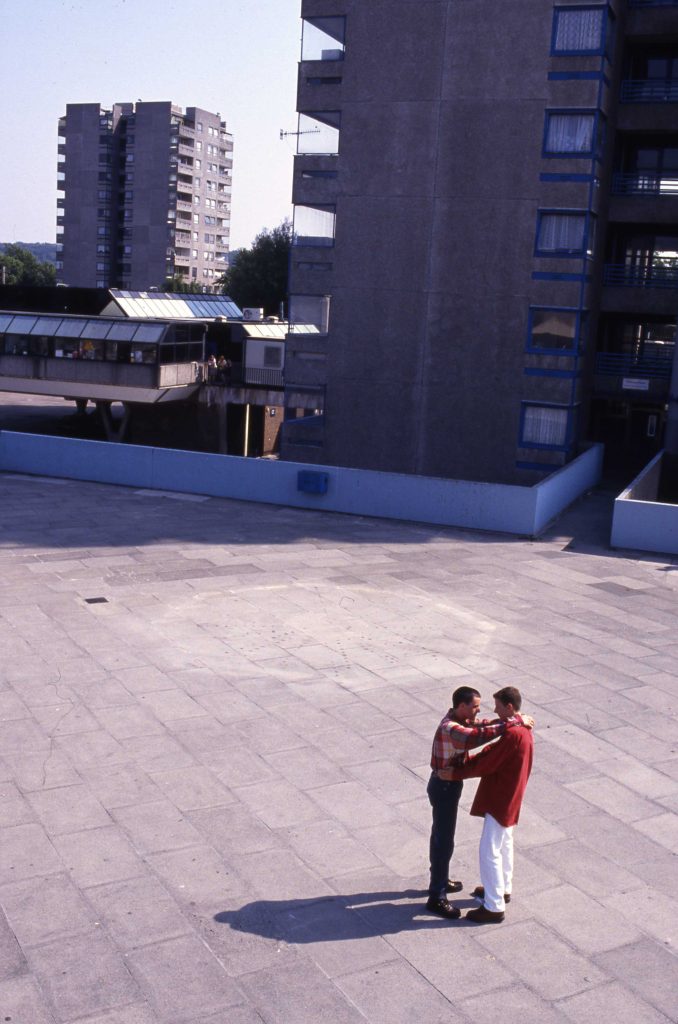
The film closes in the wide concrete courtyard of the Thamesmead estate. Jamie and Ste slow-dance to Mama Cass’s Dream a Little Dream of Me. Sandra and Leah dance defiantly alongside. Neighbours emerge onto balconies.
Some look thrilled. Some look horrified. Nobody stops them. The camera rotates around the two boys in summer sun until you forget, for a moment, what year it actually was.
It is, even now, one of the most quietly radical endings in queer cinema. A gay slow dance in public, in daylight, on a council estate, in 1996. At DNA, we will accept no substitutes. Put Mama Cass on. Watch it again.

