
BBC Review Says Gay Romance “The History Of Sound” Is Too Polite For Its Own Good

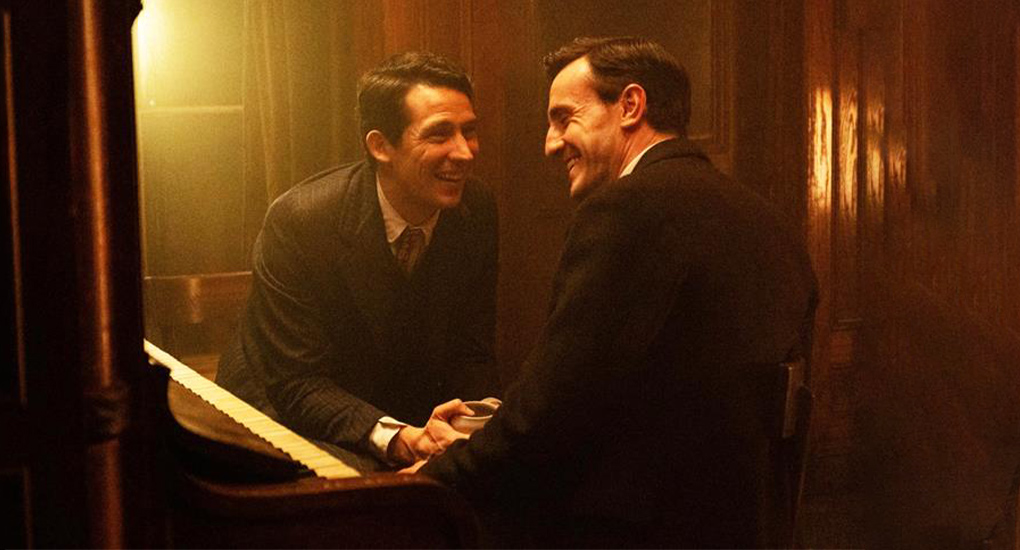
A beautiful film that never dares to feel ugly.
At this year’s Cannes Film Festival, The History Of Sound made its premiere as one of the most talked-about new gay dramas. But despite its star power, lush cinematography, and prestige polish, the film left BBC critic Nicholas Barber wondering where all the urgency went. In his review published on the BBC, Barber lays it out, saying this romance is beautiful to look at, but far too well-behaved to stir any real emotion.
Directed by Moffie And Living filmmaker Oliver Hermanus, The History Of Sound follows Lionel (Paul Mescal), a quiet Kentucky farm boy with perfect pitch, and David (Josh O’Connor), a confident, flirtatious composer he meets at music school in Boston. The story spans World War I and the 1920s, utilising music, specifically folk ballads, as the thread that connects their romance.
But for a film about raw, impassioned folk songs, this adaptation of Ben Shattuck’s short story is anything but, says Barber in his critique.
When Stunning Looks Are Not Enough
He continues that it’s no surprise that Mescal and O’Connor can carry a scene with a glance. Their performances are subtle, sensitive, and fully committed. And yet, the film barely scratches below the surface of their relationship. There’s tenderness and chemistry, sure, but we never see it tested.
There’s little real conflict between them, no stakes to make their connection feel dangerous or vital. David is drafted into the war, Lionel returns home to the farm, and then they’re off on a dreamy road trip collecting folk songs. They camp. They sing. They sleep under the stars. And somehow, nothing bad ever happens.
Everything, from the rural cottages to the wartime uniforms, is pristine. Even Lionel’s wardrobe looks handpicked by a vintage menswear stylist, says Barber.
Why Does a Gay Love Story Still Feel So Careful in 2025?
We’re 20 years past Brokeback Mountain, yet mainstream cinema still seems hesitant when it comes to gay intimacy. The History Of Sound is tasteful to a fault. There’s very little sex, even less tension, and practically no sense of danger or societal pressure. It feels more like a fantasy than a reflection of real queer history.
Barber points out this contradiction clearly: Lionel gives a heartfelt speech about loving folk music because it is “impassioned, raw, and messy.” But that description could not be further from the film itself. It’s like watching two men fall in love inside a painting—beautiful, still, and strangely distant.
paul mescal you could've brought cardboard cut-out of josh o’connor to the history of sound cannes red carpet like andrew did for florence 💔 pic.twitter.com/SIvXUPC2fx
— mellie 𖹭 (@oconnorized) May 21, 2025
Is That the Ending… or the Next One?
By the time we hit what feels like an emotional climax, the film keeps going. And going. Several scenes feel like they could be the last, but none really land with enough impact to close the story.
The final emotional beat is left to the folk songs themselves, melancholy ballads of loss and longing that hint at the depths the film never quite reaches. The most affecting moment comes when Lionel and David harmonise effortlessly as they walk through the woods. It’s tender, spontaneous, and exactly what the rest of the film lacks.
The History Of Sound is not a bad film. It’s handsome, well-acted, and technically impressive. But for all its beauty, it never risks being ugly. And sometimes love, especially queer love, needs to get a little messy to feel real.



