
A Straight Man Faked Being Gay On Dating Apps To Steal £28,000. A Judge Just Made Him Pay for It.

A London man has been jailed for three years after pretending to be gay on Tinder and Bumble to defraud three men out of a combined £28,000.
Thomas Godden, 26, of no fixed abode, was sentenced at Canterbury Crown Court on 17 February 2026. He had pleaded guilty to three charges of fraud by false representation in December 2025.
How he pulled it off
Godden built fake profiles on both apps and quickly formed what his victims believed to be real romantic relationships. Once he had their trust, he asked for money, citing everyday expenses like living costs and travel, and promised to repay it. He never did. Police found he used the funds to support his own lifestyle.
When victims pushed back, he turned hostile. He made excuses, threatened to cut off contact, and in some cases used emotional blackmail, including threats of self-harm.
The victims
Three men were targeted between 2022 and 2024. One victim, referred to in court documents as “Victim C”, lost £26,483.06 over more than two years and was left in serious long-term debt. “Victim A” lost £1,869.90, and “Victim B” was defrauded out of £135.50. Two of the three men were on the autism spectrum, which police noted made them especially vulnerable.
Two victims were reimbursed by their banks after reporting the crime. One was not.
What the investigation found
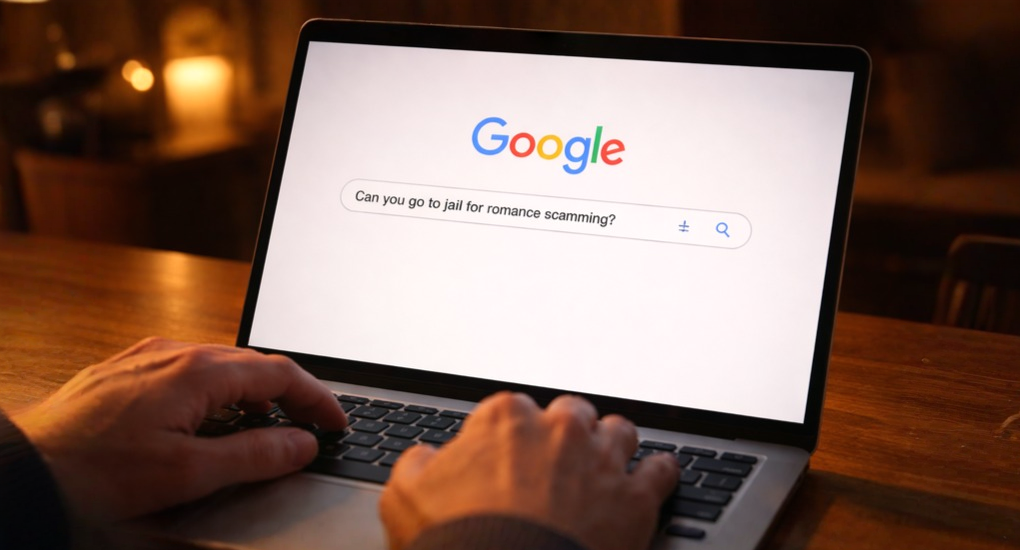
Reports were initially filed with Action Fraud, the UK’s national fraud reporting service (now operating as Report Fraud). The cases were then referred to the Fraud Operations team at City of London Police. Digital evidence recovered during the investigation showed Godden had searched online for “Can you go to jail for romance scamming?” and “Can you go to the police if someone owes you money?” Further evidence confirmed he was already in a relationship throughout the entire period.
Detective Constable Melissa Morgan from the Fraud Operations team said: “Godden deliberately targeted men who were seeking companionship and a genuine emotional connection. He abused their trust, manipulated their vulnerabilities and caused significant financial and emotional harm. This was a calculated pattern of offending, not a misunderstanding or a civil dispute, but a clear case of fraud by false representation.”
What Bumble said
Bumble responded to the case, saying it was “deeply concerned” and that fraudulent activity is not tolerated on its platform. The company pointed to several warning signs: any request for money, pressure to move fast, reluctance to meet in person or on video, and attempts to take conversations off the app.
At DNA, we’d add one more thing worth remembering, if something feels off about how quickly someone is connecting with you online, slow down before sending anything.

